When to See a Doctor About Hair Loss vs. Try Supplements First
Noticing more hair in the shower or a widening part can immediately send people searching for vitamins and supplements. While nutritional products can have a place in a hair-health routine, hair loss has many potential causes—from stress and nutrient deficiencies to genetics, hormones, medications, and medical conditions.
The most important question isn’t simply which supplement to buy. It’s whether supplementation is a reasonable first step or whether your symptoms suggest that professional evaluation should come first.
When Supplements Are a Reasonable First Step
Supplements may be worth considering when you’re looking to support general nutritional intake and there are no alarming or sudden changes in your hair.
Diet matters because follicles require adequate nutrients to function normally. People with restrictive diets or identified deficiencies may have specific nutritional needs. Iron, vitamin D, zinc, and certain B vitamins are commonly discussed in hair health, although supplementation should be targeted rather than based on the assumption that more is always better.
Researching dermatologist recommended vitamins for hair growth can help clarify which nutrients have plausible roles and why deficiency status matters.
Multi-ingredient formulas may be another option. The best supplements for hair growth should be evaluated according to their ingredient profile, serving size, safety considerations, and how well the formula matches the individual’s needs.
Men may have additional considerations because androgenetic alopecia is extremely common. Someone comparing the best hair vitamins for men should understand that nutritional support and treatments targeting hereditary hair loss aren’t necessarily equivalent.
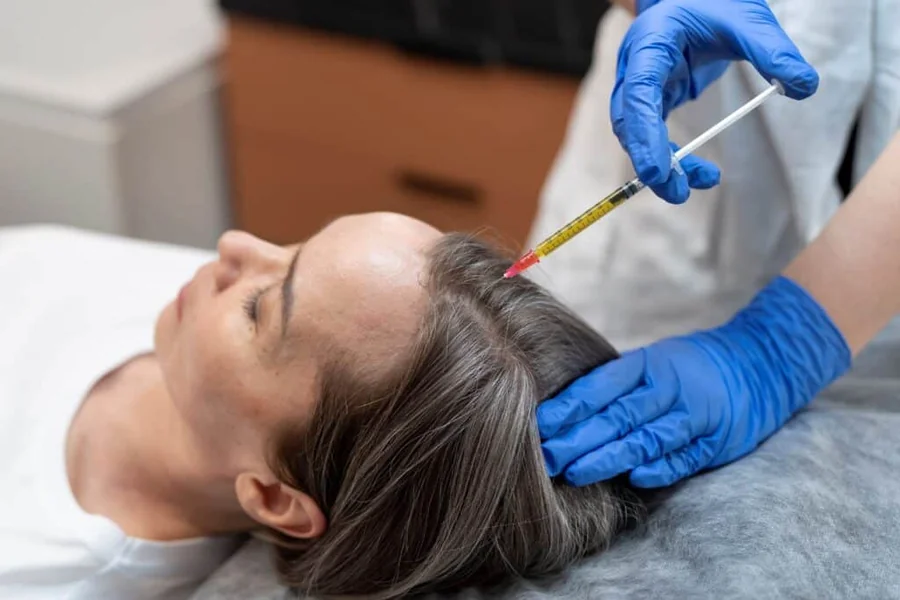
There are also circumstances where seeing a doctor should take priority. Sudden or dramatic shedding, round bald patches, scalp pain, inflammation, scaling, scarring, or hair loss accompanied by other physical symptoms deserves evaluation. A clinician can help identify whether laboratory testing or targeted treatment is appropriate.
How Long to Trial a Supplement Before Reassessing
Hair grows slowly, so a one- or two-week trial isn’t enough to judge most supplements. In many cases, approximately three months provides a more reasonable initial checkpoint because it allows time for changes within the hair cycle to begin becoming visible.
However, the appropriate timeline depends on the cause of the problem. Correcting a nutrient deficiency may take time, and visible density can lag behind improvements occurring biologically.
Track progress rather than relying on memory. Take photographs before starting and repeat them monthly under similar lighting and styling conditions. Pay attention to whether shedding appears to decrease and whether the part or hairline changes over time.
If you’ve used a supplement consistently for several months without improvement—or shedding continues to worsen—reassess rather than simply continuing indefinitely.
A healthcare professional may evaluate family history, medications, recent illnesses, hormonal changes, diet, stress, and scalp health. Blood testing can sometimes identify deficiencies or medical issues that wouldn’t be obvious from appearance alone.
Final Thoughts
Supplements can be a reasonable part of a hair-health routine, particularly when nutritional gaps are suspected or identified. But they aren’t a substitute for diagnosing unexplained hair loss. Gradual, mild changes may allow time for a carefully selected supplement trial, while sudden, patchy, painful, or rapidly progressing hair loss should prompt medical evaluation. If several months of consistent supplementation produces no meaningful change, that’s also a good reason to reassess the underlying cause.