
Understanding Preventive Healthcare and Regular Checkups
Preventive healthcare is preventive rather than treatment-centered medical care that focuses on preventing medical disease before it occurs. It involves regular exams, screening, immunizations, and counseling related to lifestyle changes to prevent or catch health problems early. A key component of this is regular check-ups where the doctor has an opportunity to regularly observe your health and notice warning signs that can become serious issues. These practices collectively contribute to overall good health for the long term, improving the quality and length of life and saving healthcare costs.
What Preventive Healthcare Actually Means
Most people would consider doctors to be a person you go to if something goes wrong. Preventive healthcare turns that notion on its head. It’s more about being proactive rather than reactive.
These are the various services provided under this branch of medicine. Others are quite straightforward, such as an annual physical exam. Others are more specific screenings depending on your age, family history or risk factors. The objective of all is to detect problems as soon as possible, before they become costly and difficult to treat.
There are three types of preventive care:
- Primary prevention – measures that prevent the onset of disease, including vaccines and healthy lifestyle choices
- Secondary prevention – early detection by screening such as a mammogram or a blood pressure test
- Tertiary prevention – living with a condition to avoid complications, e.g. diabetes care
The knowledge of these categories helps to understand the reasons why certain tests are recommended at certain ages. It’s not random. Every screening and/or checkup focuses on prevention at a specific stage.
Why Regular Checkups Matter More Than You Think
Many people don’t go for checkups because they don’t have any symptoms. It’s not surprising, but it’s also a risky move. Some serious illnesses that can be present, such as high blood pressure, high cholesterol, and early cancer, may not have any symptoms until later.
Regular exams allow your doctor to establish a level. They know what is normal for you, which means that they will be able to see if there are any changes in your condition. It may not be as obvious in the first year, but in the years that followed, an obvious pattern would emerge.
There’s also a practical aspect to this. Early detection typically results in easier treatment. Early signs of the disease may respond to dietary changes or treatment with medication. The same situation might lead to surgery or chronic care later on if left untreated. Waiting almost always costs more in financial and physical costs than prevention.
Key Components of a Preventive Care Routine
There’s no complex routine to follow with regard to preventive care, but it does need to be consistent. It should contain the following elements:
- Annual physical examinations to assess for vital signs, weight and overall health status.
- Lab tests to track cholesterol, blood sugar and organ function.
- Age and risk appropriate cancer screenings (e.g., mammogram, colonoscopy, skin exam)
- Flu, shingles, pneumonia and other infectious disease vaccinations
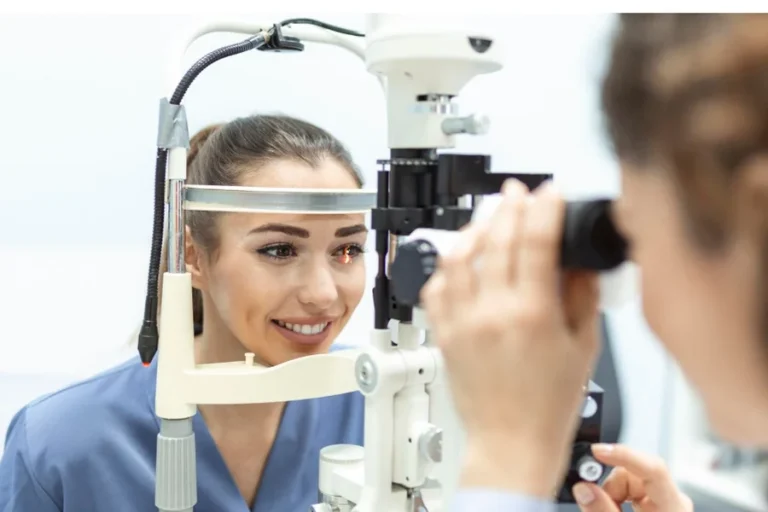
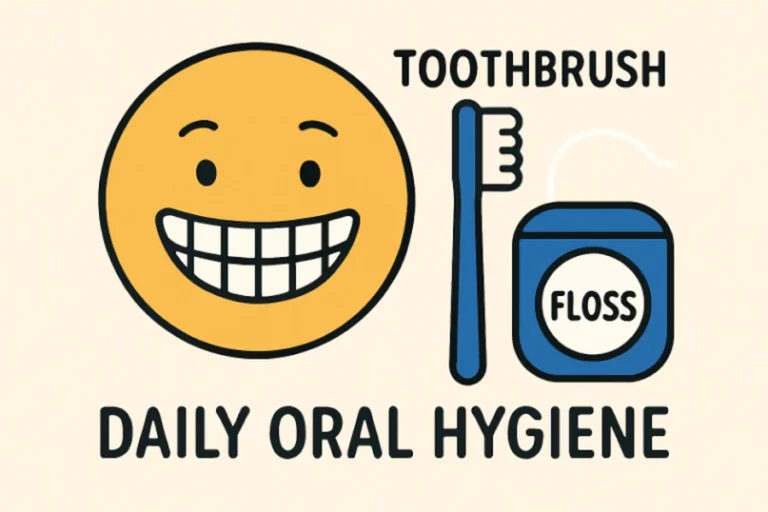
- As oral health and vision are sometimes neglected, dental and vision checkups are also linked to overall wellness.
Mental health check-ins to help manage stress, anxiety or mood change BEFORE it gets worse.
Not all individuals require all of the tests annually. It’s determined by the patient’s age, gender, family history and lifestyle. This is why it’s important to have a conversation with your doctor rather than blindsiding them with a list of questions.
How Often You Should Get Checked
For each person, the frequency you need will vary based on their age and condition. Healthy young adults may only require a physical examination once or twice a year. Older persons or those who are ill or have a chronic condition may require more frequent visits.
This is a general guideline which many physicians follow:
Ages 18-39: Regular check-up conducted every 2-3 years, along with any special screening as recommended
Annual or biennial exams, more frequent screenings for heart disease and cancer, ages 40-49.
Age 50 or older: Annual examinations, colon cancer screening, bone density screening and other age-specific tests
These are guidelines and not rules. Regardless of age, those at risk due to family history of heart disease or diabetes may require more frequent or earlier testing. Your doctor can guide you to develop a schedule that is suitable for you.
Common Barriers to Preventive Care
So what’s stopping people from getting preventive care? The reasons are generally practical, not a lack of interest in being healthy.
The cost is a significant factor. Copays and deductibles can add up, even with insurance, particularly if you have more than one bill to pay. Another obstacle is time. When you don’t feel a thing wrong, missing work for a routine checkup is like an unnecessary hassle.
Fear also has a factor to play. Others don’t get check-ups because they are afraid of what their doctor will discover. It’s understandable — and sometimes makes things worse when you avoid it. A condition will not “disappear” if it is not diagnosed. The longer it’s left untreated, the more complex it becomes to treat it.
Availability is another problem, too. Not everyone is located close to a clinic and not every doctor is someone whom they trust. This has been bridged in recent years by community health centers, tele-health services, and workplace wellness programs, which have made it more accessible for individuals who were less available to preventive care.
Building a Sustainable Preventive Health Habit
Preventive care is most effective when it becomes a habit, rather than a single effort. Little, regular tasks tend to have more impact than one-off large tasks.
Make an annual exam appointment at the same time every year. Many people tend to book it around their birthday or a season making it easier to keep track of it. Make a straightforward list of your test results and any changes your doctor discusses. This history is useful to be able to follow your health overtime.
Also, make preventive care a part of your regular practice, rather than an extra chore. Combining a dental cleaning with a checkup reduces the number of appointments patients need.A dental cleaning can be combined with a checkup, or a flu shot can be scheduled during a routine appointment, to help reduce the number of times patients need to travel.
Discuss openly your concerns, family history and lifestyle with your doctor. The more they know, the more effective they are able to be in helping to guide your care. Preventive health care doesn’t have to be flawless. It’s the power of continuing to care for your health over time, one checkup at a time.
Final Thought
Preventive healthcare and routine checkups are not a wait-and-see approach. They’re more interested in knowing about the situation and acting accordingly so that minor problems wouldn’t become serious health problems. Treatment options are usually more numerous and the prognosis is better the sooner a condition is identified.
This behavior doesn’t need to be extreme. The first step is making that first appointment, talking honestly with your doctor, and going to the doctor each year. You will be glad you did this when you are in the future.