
Comprehensive Guide to Full Mouth Dental Implants

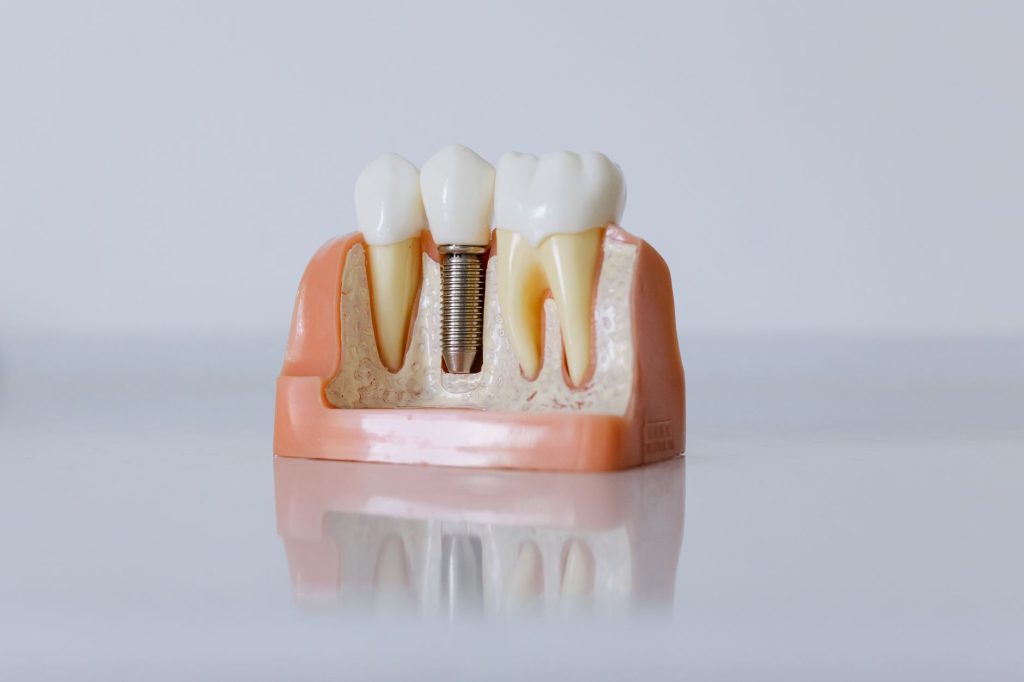
Full mouth dental implants represent a significant advancement in restorative dental care, offering patients who have lost most or all of their teeth a durable, functional, and aesthetically pleasing solution. This comprehensive guide outlines key aspects of full mouth dental implants, including their benefits, procedure, candidacy, and maintenance.
Understanding Full Mouth Dental Implants
Full mouth dental implants are a type of treatment designed to replace an entire arch of missing teeth. Unlike traditional dentures, these implants are anchored directly into the jawbone, providing a stable foundation for prosthetic teeth. This method typically involves placing several implants along the jaw which support a full arch of replacement teeth, restoring both appearance and functionality.
The Benefits of Full Mouth Dental Implants
The benefits of full mouth dental implants extend beyond cosmetic improvements. Patients experience enhanced chewing ability, improved speech, and increased comfort compared to removable dentures. Additionally, implants help preserve jawbone density, which typically diminishes after tooth loss. This preservation prevents the sunken facial appearance often associated with missing teeth.
Durability and Longevity
One of the key advantages is the long-term durability of dental implants. When properly cared for, implants can last for several decades, making them a cost-effective option over time. This longevity is attributed to the titanium posts used in implants that fuse with the jawbone in a process called osseointegration.
The Procedure for Full Mouth Dental Implants
The treatment process generally begins with a comprehensive examination including dental X-rays, 3D imaging, and evaluation of medical history. Planning is essential to determine the optimal placement of implants to ensure maximum support and aesthetic outcome.
Following planning, the first surgical stage involves inserting titanium implants into the jawbone. This is often performed under local anaesthesia with or without sedation depending on patient preference and complexity of the surgery. Once placed, a healing period of several months allows osseointegration to occur.
After successful integration, the dentist attaches abutments to the implants, which serve as connectors for the prosthetic teeth. The custom-made full arch prosthesis is then fitted and adjusted for comfort and bite alignment.
All-on-4 and Other Implant Techniques
Several techniques exist for full mouth dental implant treatment. One commonly used method is the All-on-4 technique, which utilises four strategically placed implants to support a full arch of teeth. This approach minimises the need for bone grafting and shortens treatment time.
For further information on these options, consulting professional providers such as full mouth dental implants specialists can provide tailored advice based on individual needs.
Candidacy for Full Mouth Dental Implants
Suitable candidates are typically adults who have lost most or all teeth in one or both arches and have sufficient bone density to support implants. However, bone loss can sometimes be addressed through grafting procedures to enable successful implantation.
Patients with certain medical conditions such as uncontrolled diabetes or those undergoing radiation therapy to the jaw may require additional evaluation to determine implant suitability. Smoking cessation is often recommended to improve healing outcomes.
Pre-Operative Considerations
Before undergoing full mouth dental implant surgery, patients must discuss their full medical history with their dental professional. This includes current medications, allergies, and any previous dental treatments.
Additionally, patients should anticipate a certain recovery period. Post-operative care instructions are crucial to prevent infection and ensure proper healing.
Maintenance of Full Mouth Dental Implants
Maintenance of dental implants involves both professional care and personal hygiene routines. Regular dental check-ups help monitor the condition of implants and detect any issues early.
Daily cleaning includes brushing twice a day with a non-abrasive toothpaste, flossing around implants, and potentially using specialised interdental brushes or water flossers. Avoiding habits that may damage the implants such as excessive grinding or chewing hard objects is also advised.
Potential Risks and Complications
While dental implants have high success rates, some risks exist, including infection, implant failure, and nerve damage. Detecting complications early through regular follow-ups helps mitigate potential problems.
Conclusion
Full mouth dental implants offer an effective and lasting solution for individuals seeking to restore complete dental function and aesthetics. By replacing entire sets of teeth with stable, functional prosthetics, patients can regain confidence and improve quality of life.
For those considering this treatment, consultation with experienced dental professionals specialising in full mouth dental implants is recommended to tailor plans to specific needs and expectations.