When Jaw Pain Isn’t a Toothache: Spotting Early Signs of TMJ Disorder at Home
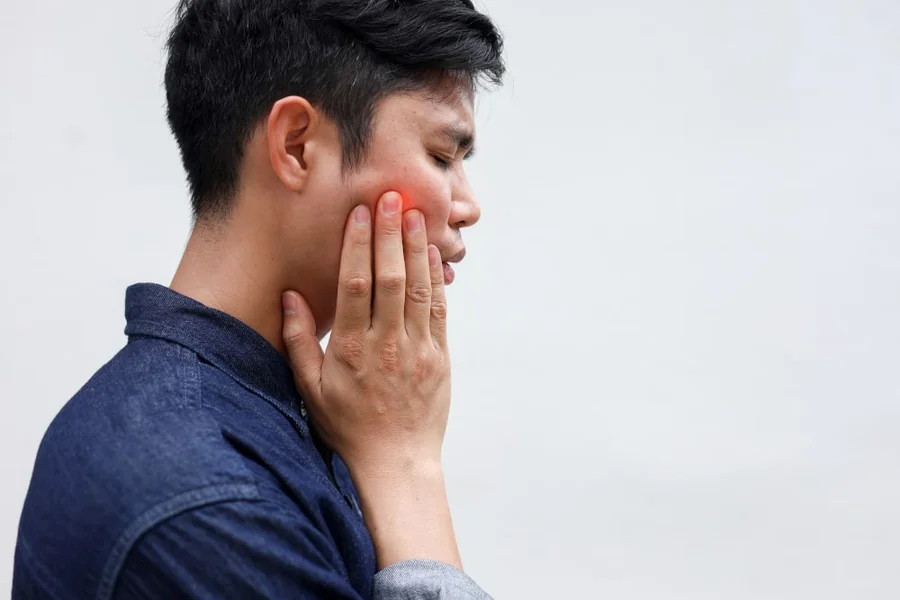
Jaw pain can be puzzling because it often shows up somewhere else: behind the eyes, around the ear, or across a few upper molars that seem perfectly healthy. That pattern is common with temporomandibular joint (TMJ) problems. Before you assume you need a filling or a root canal, a few simple checks can point toward a jaw issue instead. This article explains concrete at-home observations you can make, which habits may be aggravating your joint, and what to track before a professional evaluation. It is not a diagnosis, but it can help you decide when jaw-focused care deserves a closer look.
1. At-home checks for jaw, ear, and bite symptoms
Start by opening as wide as is comfortable in front of a mirror. A smooth opening that stays midline is normal; drifting to one side or a noticeable “S-shaped” path can point to muscle imbalance or disc displacement in the joint. Count finger widths between your upper and lower incisors. Most adults comfortably reach about three finger widths; significantly less, especially if it varies day to day, suggests restricted range of motion. Listen and feel for clicks, pops, or a gravelly sensation (crepitus) at the joint in front of your ear. Morning jaw stiffness, temple headaches, ear fullness, and scalloped tongue edges from pressing against teeth are additional red flags to note.
If those checks match your symptoms, consider how your bite feels during the day. Do your back teeth meet evenly, or does one side feel “taller” after chewing? Uneven contact, shiny wear facets on molars, or tiny craze lines in enamel often accompany clenching and grinding. Soreness when you press into the masseter (the thick cheek muscle) or the temporalis (the fan-shaped temple muscle) indicates overuse. If several of these boxes are checked, information about Herndon TMJ treatment can help you understand next diagnostic steps, including what a dentist looks for during a TMJ exam.
2. Everyday habits that overload the temporomandibular joint
Small, repeated loads matter to the TMJ. Chewing gum, gnawing ice, or routinely choosing tough foods like jerky and crusty bagels keeps the mandibular condyle compressed against the joint’s cartilage disc. Over time, that can inflame the capsule and provoke clicking. Stress and caffeine can raise baseline muscle tone, which makes daytime clenching more likely and increases nighttime bruxism. Side sleeping with a hand tucked under your jaw or stomach sleeping with your head rotated also concentrates pressure on one joint, a pattern many people notice on the same side as ear fullness.
Posture influences the jaw, too. Hours of head-forward screen time shorten suboccipital muscles and alter the path your mandible follows when you speak and swallow, which can irritate the TMJ. Mouth breathing from allergies or nasal congestion often pulls the tongue down from its ideal rest on the palate; that low tongue posture removes a natural “support” for the jaw and invites clenching to stabilize it. The relationship is circular: clenching makes muscles tender, tender muscles make you clench to avoid movement, and the cycle continues unless you reduce the load.
3. Two real-world scenarios that often mimic tooth or ear problems
Scenario one: A sharp ache in an upper molar flares after a long drive and a late coffee, yet a dental exam finds no decay or cracked cusp. Pressing into the masseter reproduces the tooth pain exactly. In this case, overactive chewing muscles and bruxism created referred pain to the molar. Reducing clenching triggers, adding short jaw-rest breaks, and, when appropriate, using a well-fitted bite splint can calm the muscle and tooth pain at the same time.
Scenario two: A recurring “earache” and fullness coincides with a semester of studying while propping the chin on one hand. The eardrum looks normal. Palpation of the TMJ reveals tenderness, and opening the mouth triggers a click near the ear. Here, joint capsule irritation and disc movement near the ear canal create ear symptoms without a true ear infection. Changing study posture, avoiding wide yawns, and temporarily adopting a soft diet eases the load so the capsule can settle.
4. What to record before a TMJ evaluation
Specific notes make a TMJ assessment more efficient. Track when symptoms peak: on waking suggests nighttime bruxism; worsening by late afternoon points to daytime clenching or chewing fatigue. Write down sounds you notice, such as a single click on opening, a reciprocal click on closing, or a grinding feel through the full range. Record what foods aggravate pain and whether heat or ice helps. Note your sleep position, recent dental work, orthodontic retainers, and any over-the-counter appliances you use, such as a boil-and-bite night guard.
Measure and update a few quick metrics for a week: comfortable opening in finger widths, deviation on opening, and whether your bite feels even after meals. Photograph tooth wear patterns or cheek ridges if they change. List medications, including NSAIDs, and their effect on pain. If you get headaches, sketch where they start, especially at the temples or behind the eyes, and whether chewing makes them worse. This concise log helps your dentist decide whether imaging like a panoramic X-ray, CBCT, or an MRI is warranted and which tissues are likely driving your symptoms.
Self-care during a TMJ flare without making it worse
During a flare, the goal is to decrease joint load and muscle guarding. A soft diet for several days reduces compressive forces while inflamed tissues calm. Apply moist heat to the the masseter and temporalis for 10 minutes to relax muscles, or use brief ice to numb acute joint pain; patients often find heat better for muscular pain and ice better for sharp joint pain, so the best choice depends on what you feel. Adopt the jaw rest posture: lips together, teeth apart, and the tongue lightly on the palate just behind the front teeth. Set phone reminders for micro breaks to unclench throughout the day.
Self-massage along the masseter border near the angle of the jaw and gentle, pain-free stretching can help, but avoid aggressive “prying” movements or repeated wide yawns, which can worsen disc displacement. Night guards are useful when they fit and cover all teeth evenly; however, a poorly fitting over-the-counter guard or a partial-coverage device can shift your bite over time. If you are already wearing an appliance, bring it to your appointment so your dentist can check occlusion and adjust it if needed. Side sleepers can try a supportive pillow that limits jaw compression, and treating nasal congestion can make tongue-up nasal breathing easier at night.
Recognizing TMJ patterns early saves frustration and unnecessary dental procedures. Simple mirror checks, bite awareness, and a short symptom log can reveal whether muscles, the joint, or both are involved. Small daily adjustments have an outsized impact on comfort: fewer tough foods, less phone-in-hand chin support, and more jaw-rest posture add up. If those steps point toward a jaw source, a dentist who evaluates the TMJ can confirm what is driving your pain and outline a plan. That evaluation, paired with thoughtful daily habits, helps most people turn scattered symptoms into a manageable, understandable condition.