
Is Your Low Back Pain a Pelvic Floor Problem? How to Spot the Signs and What to Do Next
Not all low back pain begins in the lumbar spine. For many people, the pelvic floor may contribute to the problem. This network of muscles, including the levator ani and coccygeus, works with the diaphragm and deep abdominal muscles to manage abdominal pressure. When these muscles are too tight, weak, or poorly coordinated, the sacroiliac joints and lower back may absorb more load. Clues often appear outside the back itself, including urinary urgency, a heavy sensation in the perineum, tailbone soreness, or pain that increases with coughing, sneezing, or lifting. Understanding how breathing, pressure, and pelvic support work together can point you toward care that addresses the underlying issue rather than repeatedly chasing symptoms.
1. Early Patterns That Point to a Pelvic Floor Driver
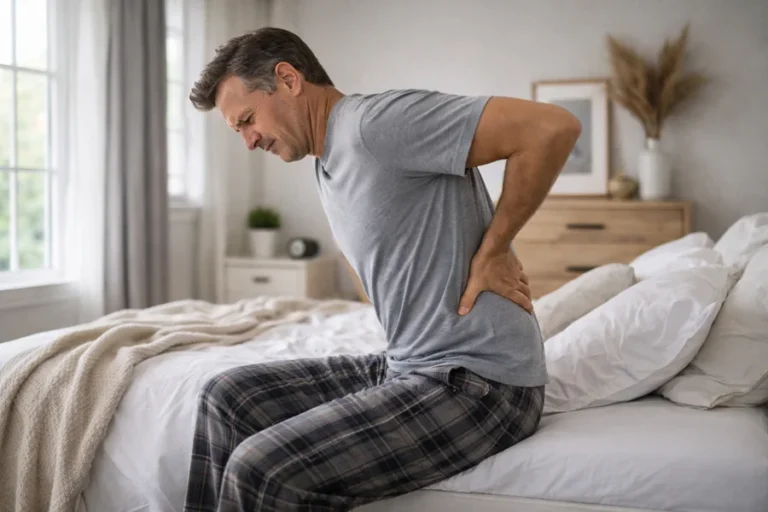
Back pain that increases during movements such as standing from a chair, rolling in bed, or getting out of the car can sometimes reflect poor pressure management rather than a problem involving only a disc or facet joint. The same may be true for aching around the sacroiliac joint, tenderness near the pubic bone, or a persistent band of tension across the lower back after prolonged sitting. Constipation, leaking during exercise, or holding your breath during a deadlift or squat can all increase abdominal pressure and place greater demand on the pelvic floor. In contrast, pain that eases when you exhale during effort or when you move into a wider stance may suggest that pressure distribution and hip mechanics are contributing to the symptoms.
Consider two realistic scenarios. A postpartum runner notices tailbone pain and urinary urgency during hill repetitions. She also braces her abdominals during planks and forgets to breathe during push-off. A desk-based software engineer reports a deep ache near the SI joint after long meetings, along with occasional straining during bowel movements. Both patterns suggest that the pelvic floor and its supporting muscles, including the transversus abdominis, diaphragm, and hip rotators, may benefit from assessment. Pelvic health clinicians at practices such as PhysioFit routinely evaluate these combinations. They can help distinguish between muscle tension that may benefit from relaxation and coordination problems that may require targeted strengthening.
2. How a Clinician Evaluates the Pelvic Floor Without Guesswork
A thorough evaluation usually begins with a detailed history of symptoms related to pressure events such as coughing, lifting, running, or prolonged sitting. Clinicians may observe posture and breathing patterns, including rib position, abdominal bracing at rest, and whether the diaphragm and pelvic floor move together during inhalation. External examination may assess pelvic alignment, hip rotation, and tenderness around structures such as the obturator internus and adductors, which can influence pelvic floor symptoms. Movement checks, such as a supported squat with an audible exhale or a resisted hip bridge, may help show whether the deep core activates appropriately during movement or compensates after the load has already increased.
With consent, an internal pelvic floor examination may also be offered to assess muscle tone, tenderness, trigger points, strength, and coordination. This can help distinguish an overactive pelvic floor that may benefit from relaxation training from an underactive pelvic floor that may require strengthening and improved timing. Biofeedback sensors or surface EMG may also show muscle recruitment and relaxation. An internal examination is not mandatory, and clinicians can often begin with external assessment, breathing strategies, and movement testing when an internal examination is not appropriate or desired.
3. What Treatment Usually Includes Beyond Doing More Kegels
Kegel exercises are not a universal solution. If the pelvic floor is already tense or overactive, repeated contractions may increase discomfort or urinary urgency. Relaxation and coordination may need to come first. This can include diaphragmatic breathing that allows the abdomen and ribs to expand during inhalation, pelvic floor relaxation cues such as imagining the sitting bones gently widening, and comfortable hip mobility exercises such as 90/90 transitions. Manual therapy may address tenderness around the obturator internus, adductors, or coccyx when appropriate. Once coordination improves, pelvic floor contractions may progress from short holds to better timing during everyday activities such as lifting groceries or stepping onto a curb.
Pressure management often ties the treatment plan together. Exhaling during the effort phase of a kettlebell hinge or squat can reduce excessive pressure buildup and encourage better coordination between the diaphragm, abdominal muscles, and pelvic floor. Strengthening may also include the gluteus medius and deep hip rotators to improve pelvic stability. Exercises may include clamshells with a resistance band, elevated split squats, and lateral step-downs. Bowel habits also matter. Using a footstool to create a comfortable hip position, staying adequately hydrated, and consuming enough dietary fiber may help reduce straining that places additional demand on the pelvic floor and lower back.
4. Everyday Habits That Reinforce Better Pressure and Support
Small, repeatable habits can make a big difference between steady progress and recurring symptoms. Avoid constantly bracing your abdominal muscles while sitting at a desk. Let your abdomen and ribs move naturally with comfortable breathing. Break up prolonged sitting every 30 to 45 minutes with a short walk or gentle movement. When moving from sitting to standing, hinge through the hips and exhale as you rise so the diaphragm, pelvic floor, and hip muscles can share the load. During coughing or sneezing, a controlled exhale may also help you manage pressure more comfortably.
Strength athletes face an additional challenge. The Valsalva maneuver can help stiffen the trunk during very heavy lifting, but it also sharply increases abdominal and pelvic pressure. For someone experiencing pelvic floor or tailbone symptoms, repeated maximal breath-holding may aggravate discomfort. During lighter or moderate training, practicing controlled breathing and exhaling through the most difficult part of the movement may help improve coordination. A moderate deadlift can become an opportunity to practice breathing, hip hinge mechanics, and pelvic floor timing without unnecessarily provoking symptoms.
5. When to Combine Pelvic Floor PT With Other Care
Some cases benefit from input from more than one type of clinician. Conditions such as endometriosis, prostatitis, constipation, or hip problems can occur alongside pelvic floor dysfunction and influence how the body responds to movement. Pelvic floor physical therapy may work alongside spine-focused physical therapy, primary care, gastrointestinal care, urology, or gynecology, depending on the symptoms involved. Persistent urinary urgency, significant bowel changes, prolapse symptoms, unexplained pelvic pain, or other concerning changes may require further medical evaluation.
A common mistake is immediately adding more abdominal strengthening or repeated Kegels whenever symptoms increase. Another is focusing only on structural findings from imaging while overlooking breathing patterns, bowel habits, hip movement, and daily activity that may also influence symptoms. If your back pain regularly appears alongside pressure-related activities, urinary or bowel changes, or tailbone tenderness, an assessment that considers the diaphragm, pelvic floor, abdominal muscles, and hips may provide a clearer picture. The goal is not simply to produce a stronger contraction but to improve coordination so the entire system shares the work more effectively.
Looking Beyond the Lower Back
Persistent low back pain can be frustrating when familiar stretches and strengthening routines do not provide lasting improvement. Looking at how you breathe, manage pressure, and load the pelvis can reveal additional factors that may be contributing to the problem. Treatment may involve reducing muscle tension when the pelvic floor is overactive, strengthening when support is limited, and improving coordination between the diaphragm, pelvic floor, abdominal muscles, and hips. If the patterns described here sound familiar, a pelvic health-informed assessment may help clarify next steps and replace repeated trial and error with a plan that better fits your daily activities and symptoms.