A Closer Look at the Facial Fat Transfer Procedure and What to Expect
The facial fat transfer procedure is a cosmetic treatment designed to restore or add volume to selected areas of the face using a person’s own fat. Instead of relying on a manufactured injectable filler, the procedure involves harvesting fat from another part of the body, processing it, and transferring it into specific facial areas.
People often consider this treatment when facial volume has reduced with age or when certain areas appear hollow or lack definition. The procedure involves more planning and recovery than a typical injectable treatment because it includes both fat harvesting and facial treatment.
Understanding each stage of the facial fat transfer procedure helps you know what to expect before, during, and after treatment.
How Does the Procedure Work?
The process normally starts with a consultation. During this appointment, the surgeon reviews your medical history, examines your facial structure, and identifies possible donor areas.
To discover more about facial fat transfer procedure, it is useful to discuss the treatment process, expected results, recovery, and potential risks with a qualified plastic surgeon.
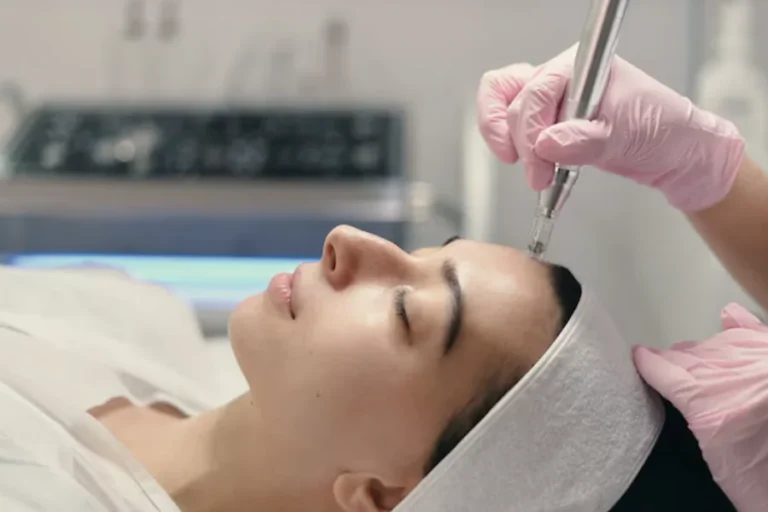
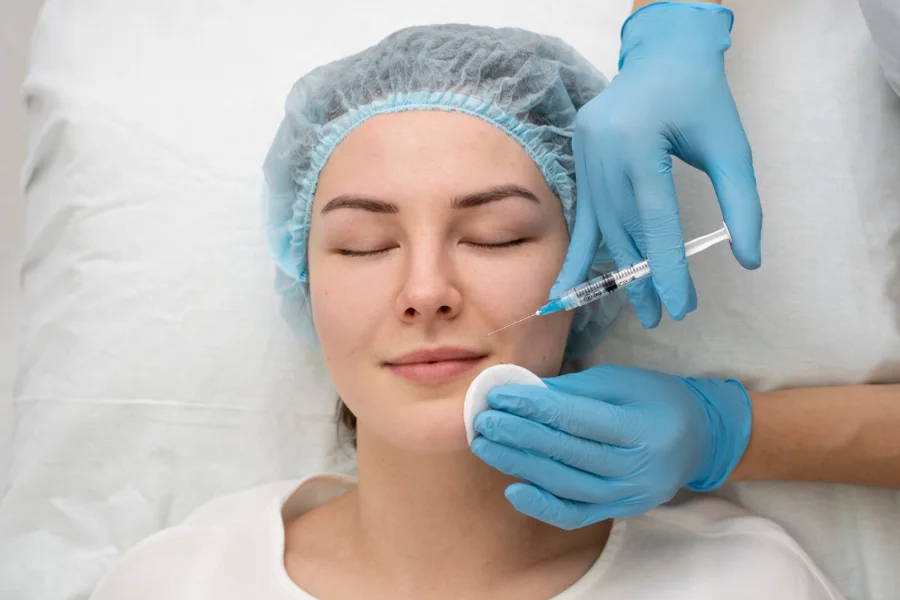
The procedure itself involves several stages. Fat is first harvested through a small liposuction technique. The surgeon then processes the collected fat before preparing it for injection.
The prepared fat is transferred using small injections into the selected facial areas. Careful placement is important because uneven distribution can affect facial symmetry and contour.
The procedure can involve local or general anaesthesia depending on the extent of treatment and the surgeon’s approach.
Which Areas Can Be Treated?
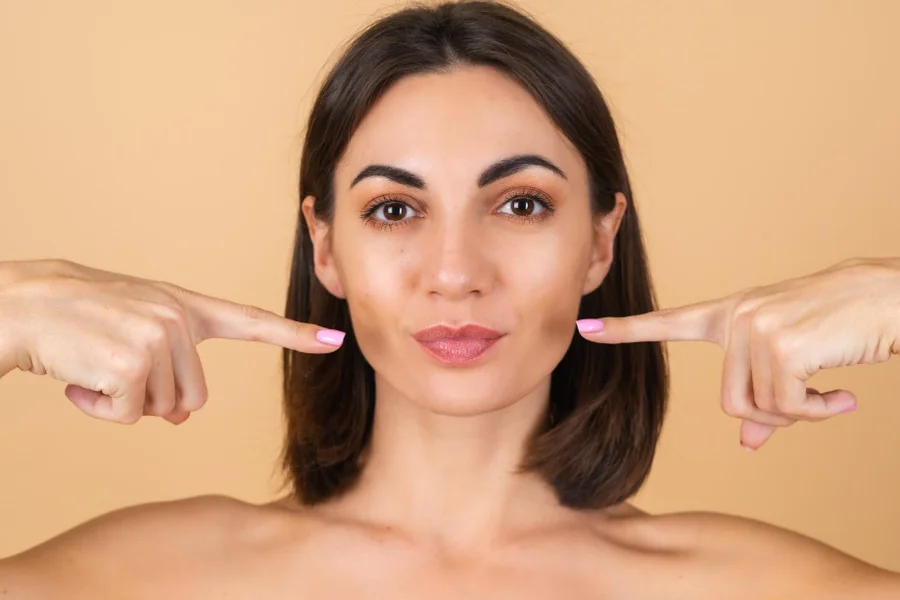
The cheeks are among the areas commonly treated with facial fat transfer. Adding volume in this region can alter the appearance of the mid-face and improve facial proportions.
The temples can also receive transferred fat when hollowing is present. The lips and areas around the mouth can be treated in selected cases.
Some procedures involve the chin or jawline to improve facial balance. Under-eye hollows can also be considered, although this area requires particular precision because of its complex anatomy.
The appropriate treatment areas depend on individual facial structure. Adding volume where it is not needed can produce an unnatural or unbalanced appearance, so treatment planning is an important part of the process.
What Happens During the Consultation?
A consultation allows you to discuss what you want to change and learn whether the procedure is appropriate.
The surgeon should review your medical history, existing conditions, medications, and previous cosmetic treatments. Your face and potential donor areas will also be examined.
You should discuss your expectations openly. A good consultation should include an explanation of what the procedure is intended to achieve, as well as its limitations.
The surgeon should also explain that some transferred fat is absorbed by the body. As a result, the amount of volume seen immediately after treatment does not represent the final result.
Questions about recovery, risks, possible asymmetry, and the potential need for further treatment should also be addressed before proceeding.
How Long Do Results Last?
A portion of transferred fat is absorbed naturally by the body. The amount that remains differs between individuals.
Fat cells that survive the transfer can provide longer-term volume. However, this does not mean the face will remain unchanged indefinitely.
Natural ageing continues after treatment. Changes in body weight can also influence facial volume and contours.
For this reason, it is more accurate to view facial fat transfer as a long-term volume restoration procedure rather than a guarantee of permanent facial appearance.
What Are the Risks?
Facial fat transfer is a surgical procedure and carries potential risks.
Common temporary effects include swelling, bruising, tenderness, and discomfort. Other complications can include infection, bleeding, asymmetry, contour irregularities, and changes in sensation.
Fat necrosis can occur when transferred fat does not receive enough blood supply and does not survive. This can sometimes lead to firm areas or irregularities.
There is also a rare risk of fat entering a blood vessel. Serious vascular complications can affect the skin, vision, or other tissues. Although uncommon, these complications are an important reason to choose a properly qualified and experienced surgeon.
Severe or unexpected symptoms following treatment require prompt medical assessment. Sudden vision changes, significant skin colour changes, severe pain, or other concerning symptoms should not be ignored.
How Is Facial Fat Transfer Different From Fillers?
Both treatments can restore facial volume, but the techniques are different.
Dermal fillers involve injecting a manufactured gel or other approved substance into the treatment area. Facial fat transfer uses fat harvested from the patient’s own body.
Fat transfer therefore involves a donor-site procedure and has a longer recovery process than many filler treatments. The result also depends on how much transferred fat survives.
Fillers and fat transfer have different characteristics, advantages, and limitations. The right approach depends on the treatment area, desired outcome, medical history, and professional assessment.
What Should You Expect After Treatment?
It is important to avoid judging the outcome immediately after a facial fat transfer procedure. Early swelling can make the face appear fuller than the intended long-term result.
As swelling decreases, the treated areas gradually settle. Some transferred fat is absorbed during the healing process, so the final volume differs from the initial appearance.
Follow-up appointments allow the surgeon to monitor healing and assess the developing result. If additional treatment is considered, it is generally discussed after sufficient healing has occurred.
Conclusion
The facial fat transfer procedure provides a way to restore facial volume using fat harvested from another area of the body. It involves consultation, fat harvesting, processing, and carefully controlled injections into selected facial areas.
Recovery includes swelling and bruising, while the final result develops gradually as the tissues heal and some transferred fat is naturally absorbed.