Understanding Back Acne and the Different Treatment Options Available
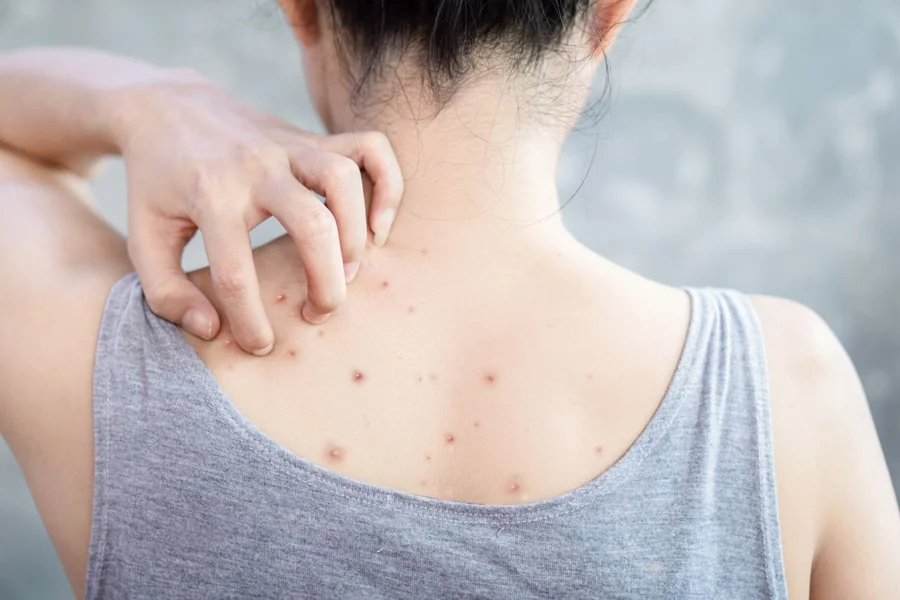
Skin concerns are not limited to the face. Many people experience breakouts on their shoulders, upper arms, chest, and back, which can sometimes be uncomfortable and difficult to manage. Back acne, commonly known as bacne, is a particularly common concern because the skin in this area contains numerous oil producing glands and can be affected by sweat, friction, and hormonal changes.
Unlike facial acne, back acne can be harder to notice and treat because the affected areas are difficult to reach. Some individuals experience occasional spots, while others develop persistent breakouts that leave behind dark marks, uneven skin texture, or scars.
Understanding the causes of back acne and the available management options can help individuals make informed decisions about their skincare routine and when to seek professional advice.
- What Causes Back Acne?
Back acne develops when hair follicles become blocked by excess oil, dead skin cells, and other debris. This can contribute to the formation of blackheads, whiteheads, and inflamed pimples.
Several factors may contribute to breakouts on the back.
Excess oil production: The back contains many sebaceous glands that produce sebum to maintain skin moisture. When excess oil combines with dead skin cells, it can contribute to clogged pores and acne.
Hormonal changes: Hormonal fluctuations during puberty and other stages of life can influence oil production. This may increase the likelihood of developing acne on the back and shoulders.
Sweat and friction: Physical activities can cause sweat to accumulate beneath clothing. Tight sportswear, backpacks, and other items that repeatedly rub against the skin may contribute to irritation and breakouts.
Genetic factors: Some individuals are naturally more prone to acne because of inherited skin characteristics and patterns of oil production.
Lifestyle influences: Stress and certain dietary patterns may aggravate acne in some individuals. However, the relationship between diet and breakouts varies, and acne should not automatically be attributed to food choices.
Identifying the possible contributing factors is an important part of developing an appropriate skincare and treatment approach.
- Recognising Different Types of Back Acne
Back acne can appear in several forms, and recognising the differences can help determine whether professional assessment is necessary.
Blackheads are small dark spots that develop when clogged pores remain open. Whiteheads form when the opening of a blocked pore becomes covered by skin.
Papules are small, inflamed bumps that may appear red or tender. Pustules are similar but contain visible pus near the surface.
More severe acne can involve deeper and painful nodules or cysts. These may affect larger areas of the back and carry a greater risk of permanent scarring.
Not every bump on the back is necessarily acne. Conditions such as folliculitis can produce acne like spots and may require a different treatment approach. A healthcare professional can help distinguish between these conditions.
- Everyday Habits That Can Help Manage Back Acne
A consistent skincare routine can support the management of mild back acne and reduce some factors that contribute to recurring breakouts.
Showering after exercise or activities that cause excessive sweating is a useful habit. Changing out of damp clothing can also reduce prolonged contact between sweat and the skin.
Choose loose fitting, breathable clothing when possible. Fabrics that allow moisture to escape may help minimise irritation, particularly during exercise in Singapore’s warm and humid climate.
Gentle cleansing is another important consideration. Avoid aggressive scrubbing, rough exfoliating brushes, or harsh cleansing products because these can irritate inflamed skin.
Some over the counter acne products contain ingredients such as benzoyl peroxide or salicylic acid. These may help manage mild acne, although the appropriate product depends on individual skin sensitivity and the nature of the breakouts. Benzoyl peroxide can also bleach towels and clothing.
Avoid squeezing or picking pimples. This can increase inflammation and raise the likelihood of developing post acne marks and scars.
- When Should You Consider Professional Back Acne Treatment?
Occasional breakouts may improve with consistent skincare and suitable over the counter products. However, persistent or widespread acne may require a more structured approach.
Professional assessment is worth considering when breakouts continue despite regular skincare, become painful, or leave behind noticeable pigmentation and scarring.
A doctor can examine the affected area, assess the severity of the condition, and determine whether the symptoms are consistent with acne or another skin concern.
Depending on the assessment, treatment may involve prescription topical products, oral medication, or selected in clinic procedures.
For individuals researching back acne treatment in Singapore, it is useful to understand that different approaches address different concerns. Some treatments focus on active breakouts, while others aim to improve pigmentation, uneven texture, or marks left behind after inflammation.
The most suitable option depends on the individual’s skin condition, medical history, and treatment goals.
- Understanding Laser Treatments for Back Acne
Laser and energy based treatments are among the professional options that some aesthetic clinics offer for managing acne concerns.
These procedures use controlled energy to target selected skin structures and may be incorporated into treatment plans for active acne or post acne marks. The specific technology and expected outcomes depend on the device, treatment settings, and individual skin characteristics.
TruGlow Medical Aesthetics offers a Signature 4 Step Acne Laser programme for back acne. Its published treatment approach includes skin preparation, laser treatment using different modes, and additional steps intended to address inflammation, oil production, pigmentation, and skin texture.
However, laser procedures are not suitable for every person or every type of acne. A medical consultation is important to determine whether this approach is appropriate and whether alternative treatments may be more suitable.
Patients should also understand the potential for temporary redness, swelling, dryness, or irritation following a procedure. Individual responses can vary, and treatment outcomes should not be considered guaranteed.
- How Chemical Peels May Help Improve Skin Appearance
Chemical peels are another option sometimes used in the management of acne and post acne concerns.
They involve applying a selected chemical solution to the skin to encourage controlled exfoliation. Depending on the formulation and concentration, this process can help remove accumulated dead skin cells and improve certain forms of surface congestion.
For back acne, chemical peels may be considered as part of a broader treatment plan, particularly when clogged pores and uneven skin texture are concerns.
The strength of the peel should be selected according to the individual’s skin condition and tolerance. Stronger treatments are not necessarily more effective for everyone and may increase the risk of irritation or pigmentation changes.
After a peel, following professional aftercare instructions is important. This may include avoiding harsh exfoliating products, protecting exposed skin from sunlight, and using suitable moisturising products.
Chemical peels may also be combined with other procedures when clinically appropriate, although the sequence and suitability should be determined by a qualified medical professional.
- Addressing Dark Marks and Acne Scars
Even after active breakouts have improved, some individuals continue to experience visible marks on their back.
Post inflammatory hyperpigmentation refers to darker areas that remain after an acne lesion has healed. These marks are not necessarily permanent scars, although they may take several months to fade.
Atrophic scars appear as depressions or uneven areas in the skin, while hypertrophic scars are raised and may develop following inflammation or skin injury.
The distinction is important because pigmentation and structural scarring require different management approaches.
Some topical ingredients may help improve pigmentation over time, while selected professional procedures may be considered for certain types of scarring and uneven texture.
Avoiding further inflammation and picking is particularly important because repeated irritation can increase the likelihood of additional marks.
A professional assessment can help identify the type of skin changes present and determine which treatment options are appropriate.
- Choosing a Suitable Aesthetic Clinic
Selecting a clinic for skin treatment requires careful consideration. Individuals should look beyond promotional claims and understand the qualifications of the professionals providing care.
A suitable clinic should begin with an assessment of the skin condition and medical history before recommending a procedure.
It is also important to understand the technology being used, the expected treatment schedule, possible side effects, and the aftercare requirements.
TruGlow Medical Aesthetics, located at The Heeren on Orchard Road, provides doctor supervised aesthetic treatments, including laser based back acne procedures and chemical peels. Its treatment information outlines a personalised approach based on the individual’s skin condition and response to care.
Before proceeding, patients should discuss whether the proposed treatment is suitable for their particular type of acne and ask about alternative options where necessary.
Clear communication about costs, expected recovery, treatment limitations, and follow up appointments can also help individuals make more confident decisions.
- Maintaining Skin Health After Treatment
Managing back acne requires attention beyond individual treatment sessions. Maintaining a suitable skincare routine can help support skin health and reduce factors that may contribute to future breakouts.
Continue cleansing gently, particularly after exercise or activities that cause sweating. Use suitable skincare products and avoid introducing several strong active ingredients at the same time without professional guidance.
Wear clean clothing and wash sportswear regularly. If backpacks or tight clothing repeatedly irritate the affected area, consider alternatives that reduce friction.
Sun protection is also important when the back is exposed, particularly after certain aesthetic procedures. Ultraviolet exposure can make existing pigmentation more noticeable and may increase irritation during recovery.
Follow the aftercare instructions provided by the treating medical professional, as recommendations can vary depending on the procedure and individual skin response.
Conclusion
Back acne is a common skin concern that can affect people with different skin types and lifestyles. Although everyday skincare habits can help manage mild breakouts, persistent acne, painful lesions, and noticeable scarring may require professional assessment.
For individuals exploring back acne treatment in Singapore, understanding the differences between topical products, laser procedures, and chemical peels can help them make informed decisions. Clinics such as TruGlow Medical Aesthetics offer medically supervised options that can be considered following an individual skin assessment. With an appropriate treatment plan, consistent skincare, and professional guidance, individuals can work towards healthier skin and better long term management of back acne.