The First Hour of a Plumbing Emergency in Yukon Homes: A Step-by-Step Action Plan
When a pipe bursts or a toilet overflows, the first 60 minutes determine how much water spreads, what it damages, and how complicated the cleanup becomes. Yukon, Oklahoma homeowners face seasonal swings that can stress plumbing systems, from hard freezes that crack fittings to summer pressure spikes that stress aging valves. This step-by-step action plan shows how to shut off the right water valve, keep electricity and gas safe around water, relieve system pressure, stabilize common failures like a leaking water heater or a clogged toilet, and document damage for insurance. These moves buy time and limit losses until a professional can make permanent repairs.
1. Find and close the correct shutoff quickly
.Start at the source if you can. Angle stops under sinks and behind toilets are small oval or lever valves that close by turning clockwise. If water is spraying from a supply line or faucet, closing that stop valve often ends the emergency without shutting water to the whole house. If the source is unclear, use the main shutoff. In many Yukon neighborhoods, that means a qquarter-turnball valve at the meter box near the curb or a gate valve where the line enters the home. A meter key or adjustable wrench helps if the curb stop is stiff. For service details beyond emergency triage, local readers can review Expert Plumbing Solutions in Yukon, OK.
2. Make water, electricity, and gas safe together.
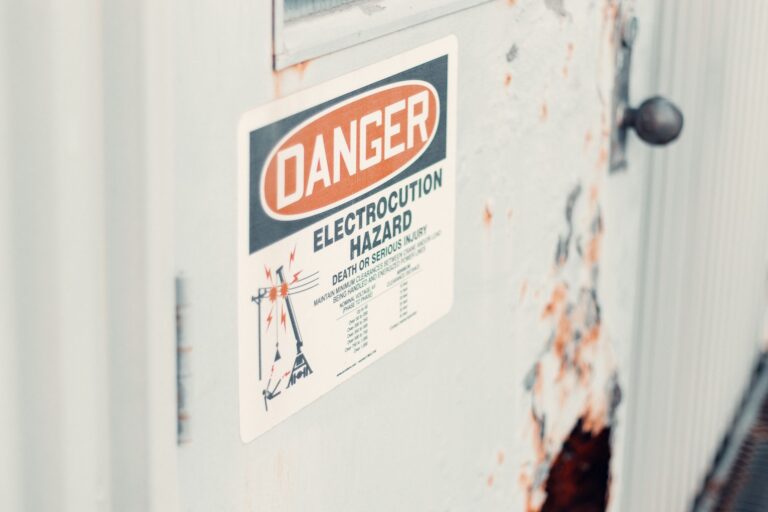
Water and live power are a dangerous mix. If a ceiling is dripping near light fixtures or a wall outlet is wet, switch off the affected circuit at the breaker panel. Around water heaters, match the water supply to the energy source. If you have turned off the cold water supply to a tank-style heater, also switch off the electric breaker or set the gas control to Off so elements or the burner do not fire in an empty tank. Do not relight a pilot or reset a breaker on a soaked appliance until a qualified technician clears it.
3. Relieve pressure and give the system a place to drain.
Once the main shutoff is closed, open a hot and cold faucet at the highest level in the house to admit air, then open a hose bib or tub faucet at the lowest level to drain the lines. This lowers static pressure so damaged sections weep less. If a sewer line is backing up, check for a cleanout outside or in a garage; it’s typically a threaded cap on a short vertical pipe. Backups under pressure can surge when that cap is removed, so loosen it slowly and step aside. Never pry off a glued cleanout plug, and avoid chemical drain cleaners that can burn skin and damage piping.
4. Stabilize common failures with simple, safe steps.
Burst supply pipe: After shutting off the water, use a towel and a bucket to catch residual drips. If you are comfortable with basic repairs, a push-to-connect cap or compression coupling can temporarily seal a split copper or PEX line until you can make a permanent fix. The trade-off is that quick-connect fittings are convenient but may not be the long-term repair your system needs, especially on hot water lines near a water heater.
Overflowing toilet: Lift the tank lid, raise the float to stop the fill valve, and close the angle stop at the wall. Use a flange plunger to seal the drain and push the clog toward the trapway. If water is near the rim, wait for the level to drop before plunging. Do not flush repeatedly, and skip chemical drain openers. If a wax ring has failed and water leaks at the base, shut off the stop valve and avoid use until the bowl can be pulled and reset.
Contain the mess and prepare for short-term needs.
Move rugs and furniture, then work from the edges of the puddle toward the center with towels or a wet-dry vacuum. Keep extension cords and power strips off wet floors. If baseboards or toe kicks are damp, start airflow with box fans and open interior doors. Take photos and short videos of affected rooms, the shutoff valve position, any damaged fittings, and water lines on walls. Note the time events occurred and when you shut water and power off. If the main must stay off for several hours, save a few gallons in buckets for toilet flushing, and set aside bottled water for drinking and handwashing.
The most effective first hour is simple and calm. Close the right valve without guessing, make electrical and gas systems safe around water, reduce pressure to slow the leak, and stabilize the failure without risky improvisations. Keep basic supplies on hand, like a flashlight, gloves, a flange plunger, towels, and a garden hose for a water heater drain valve. After the immediate crisis is contained, schedule professional follow-up to locate the root cause, pressure test the system, and replace any compromised components so the same failure does not return the next time Yukon weather tests your plumbing.