
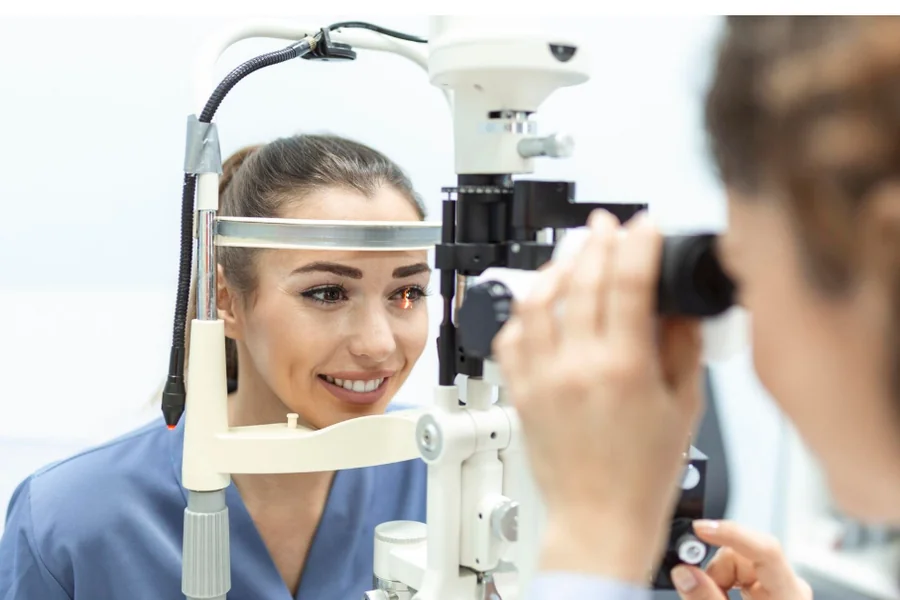
Eye Screening Explained: When Should You Get Your Eyes Checked?
Eye screening is an important part of looking after your vision and identifying changes before they become more noticeable. Many eye conditions develop gradually, and some do not cause obvious symptoms during their early stages. Eye screening and eye check-ups by LSC Eye Clinic can provide an opportunity for individuals to have their vision and eye health assessed by qualified eye care professionals.
For this reason, waiting until your vision becomes blurry or uncomfortable is not always the best approach. Regular eye checks allow an eye care professional to assess your vision and look for signs of potential problems.
The timing and type of eye screening you need depend on factors such as your age, existing eye health, family history, and personal risk factors.
What Is Eye Screening?
Eye screening involves checking different aspects of your vision and eye health. A basic assessment often includes visual acuity testing, while a more detailed examination can involve additional tests depending on your circumstances.
The purpose is to identify vision problems and possible signs of eye disease. Screening does not necessarily mean that a condition has been diagnosed. If an abnormal result is found, further assessment might be recommended.
The exact tests performed differ between patients and clinics.
Why Regular Eye Screening Matters
Some changes in the eyes develop without noticeable symptoms. A person might continue seeing reasonably well while an underlying problem is developing.
Regular checks provide a way to monitor changes over time. Comparing current findings with previous examinations can also help an eye care professional determine whether something has changed.
Early identification does not guarantee that a condition will be prevented or reversed. It does, though, provide an opportunity for appropriate assessment and management when a concern is identified.
When Should Adults Have Their Eyes Checked?
There is no single screening schedule suitable for everyone. The recommended frequency depends on your age, eye health, vision needs, and risk factors.
Adults who have healthy eyes and no particular risk factors might need routine examinations at intervals recommended by their eye care professional. People with existing eye conditions, certain medical conditions, or a family history of eye disease might require more frequent monitoring.
If you notice a change in your vision between routine appointments, arrange an assessment rather than waiting for the next scheduled check.
Eye Screening for Children
Children also benefit from appropriate vision assessments because vision problems can affect learning, reading and everyday activities.
A child might not recognise that their vision differs from normal. They might assume everyone sees the same way, making it difficult for them to explain a problem.
Signs such as frequent squinting, sitting unusually close to screens, difficulty reading, headaches, or problems tracking words should be discussed with an appropriate eye care professional.
The timing of children’s eye examinations depends on age, development, and individual circumstances.
What Happens During an Eye Screening?
A routine eye screening often begins with questions about your vision and general eye history. You might be asked about blurred vision, headaches, eye strain, difficulty seeing at night, or other changes.
Visual acuity is commonly assessed by asking you to read letters, numbers, or symbols from a chart.
A refraction assessment might also be performed if there is a concern about your glasses or contact lens prescription.
Can Eye Screening Detect Eye Diseases?
Certain eye examinations can identify signs associated with eye diseases. The specific conditions that can be assessed depend on the tests performed and the expertise of the professional conducting the examination.
For example, examination of the optic nerve and visual field can provide useful information when glaucoma is being considered. Retinal examination and imaging can help assess structures at the back of the eye.
Eye Screening and Diabetes
People living with diabetes have an increased risk of developing certain eye complications, including diabetic retinopathy.
Regular eye assessments are therefore an important part of diabetes management. Retinal examinations can help identify changes that require monitoring or further investigation.
The recommended screening schedule depends on factors such as the type of diabetes, duration of the condition, and previous eye findings. Follow the screening schedule recommended by your healthcare team.
What About People Who Wear Glasses?
Wearing glasses does not remove the need for regular eye checks.
Your prescription can change over time, and an eye examination can also assess aspects of eye health beyond how clearly you see.
If your glasses no longer provide comfortable or clear vision, an updated assessment can determine whether your prescription needs adjustment.
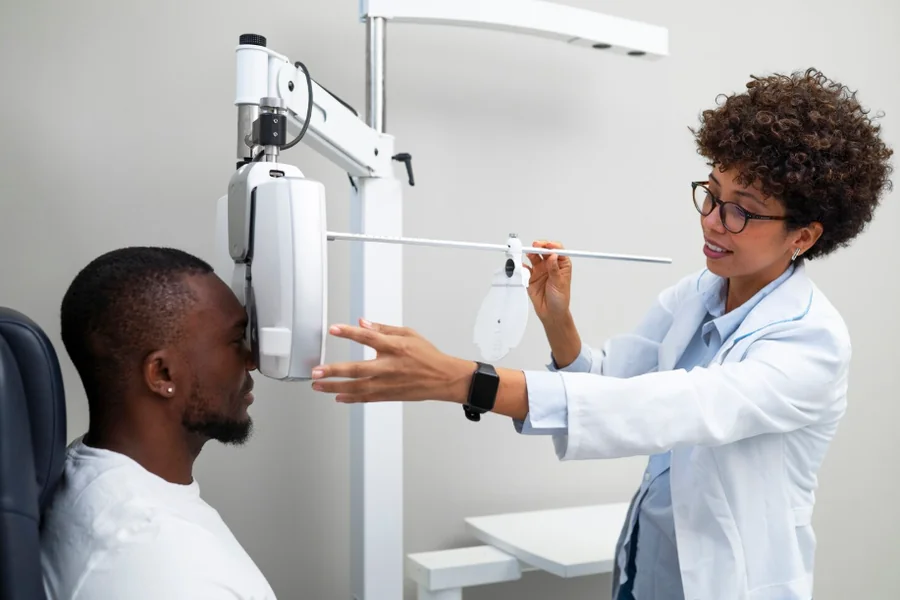
Should Contact Lens Wearers Have Regular Checks?
Contact lens wearers should receive appropriate eye care because lenses come into direct contact with the surface of the eye.
An eye care professional can assess whether your lenses remain suitable and whether there are signs of irritation or other problems.
Follow the recommended wearing, cleaning, and replacement instructions for your particular lenses. Do not continue wearing contact lenses if you develop significant eye pain, redness, or sudden changes in vision without seeking appropriate professional advice.
When Should You Seek an Eye Check Sooner?
Some symptoms should not be left until a routine screening appointment.
A sudden vision change, sudden loss of vision, severe eye pain, a significant eye injury, new flashes, or a sudden increase in floaters can require prompt assessment.
The urgency depends on the symptoms and their cause. If a change occurs suddenly or seems severe, seek medical attention promptly.
What Happens If a Problem Is Found?
If screening identifies something unusual, the next step depends on the finding.
You might be advised to have another examination after a certain period for monitoring. Additional testing might also be recommended to obtain more detailed information.
If a condition requiring treatment is suspected or confirmed, you might be referred to an eye specialist for further assessment and management.
The important point is that screening is an initial assessment rather than a substitute for specialist care when a concern is identified.
Conclusion
Eye screening provides an opportunity to assess vision and check for signs of potential eye problems. Regular examinations are particularly useful because some conditions develop gradually without producing obvious symptoms.
The appropriate frequency varies between individuals. Age, medical history, family history, existing eye conditions, and other risk factors all influence how often you should have your eyes checked.
If you experience a sudden or significant change in vision, do not wait for your next routine screening appointment. Seek appropriate medical assessment as soon as possible.