A Practical Guide to Planning Commercial Ev Charging Sites
Key Takeaways
- Start with driver behavior, vehicle types, parking duration, and expected demand.
- Review electrical capacity before setting equipment quantities or construction budgets.
- Match charging speed to the amount of time vehicles typically remain parked.
- Include accessibility, permits, safety barriers, signs, lighting, and traffic flow in the site plan.
- Plan for payment, monitoring, maintenance, and customer support from the beginning.
- Use phased construction when demand, utility capacity, or future expansion is uncertain.
- Consider the full project cost, including design, civil work, electrical upgrades, networking, and long-term service.
Commercial EV charging can help a property serve employees, residents, customers, guests, fleet drivers, or the public. However, a successful project begins with a clear site strategy, not simply with selecting equipment.
Before pursuing a commercial EV charger installation, property owners should understand how drivers use the parking area, how much electrical capacity is available, and who will operate the chargers after they open. Considering these questions early helps decision-makers avoid choosing a solution that appears suitable on paper but creates unnecessary costs or operational challenges once drivers begin using it.
Why Early Planning Matters
Charging equipment is only one part of the project. Poor early decisions can lead to expensive trenching, utility delays, underused spaces, difficult parking movements, or chargers that do not meet the needs of actual drivers. A workplace where vehicles remain all day has different needs than a retail site built around short visits and frequent turnover.
Early planning also creates a more realistic budget. The cost of the charger itself may represent only part of the total investment. At the same time, electrical upgrades, excavation, concrete work, communications, permitting, and protective equipment can materially affect the final scope. Identifying those items before procurement makes it easier to compare options and prioritize the most useful locations.
Define the Charging Use Case
Identify who will charge, when they will charge, and whether access will be private, shared, or public. Office employees, apartment residents, hotel guests, shoppers, municipal users, and fleet operators all have different schedules and expectations. Also, decide whether charging will be free, paid by session, included with parking, or limited to approved account holders.
It is useful to estimate the number of likely users during a normal day and during peak periods. For example, a mixed-use property may experience resident charging overnight, employee demand during business hours, and visitor demand in the evening. Clear access rules, time limits, and parking enforcement practices can help prevent chargers from being occupied by vehicles that are no longer actively charging.
Evaluate the Site and Parking Layout
Walk the property before finalizing locations. Measure the distance from parking spaces to panels, meters, and transformers. Review turning space, cable reach, drainage, lighting, security, snow removal, and protection from vehicle impacts. Chargers should be visible and convenient without interfering with fire lanes, delivery areas, pedestrian paths, or accessible routes. Nearby restrooms, food, and retail can also improve the experience during longer charging sessions.
Look beyond the individual charging space and consider how drivers enter, park, connect, and exit. An intuitive layout reduces the likelihood of blocked stalls, stretched cables, or confusion about reserved spaces. Where possible, group chargers in areas that can be expanded later, while still keeping them close enough to the electrical infrastructure to control installation complexity.
Check Power and Utility Capacity
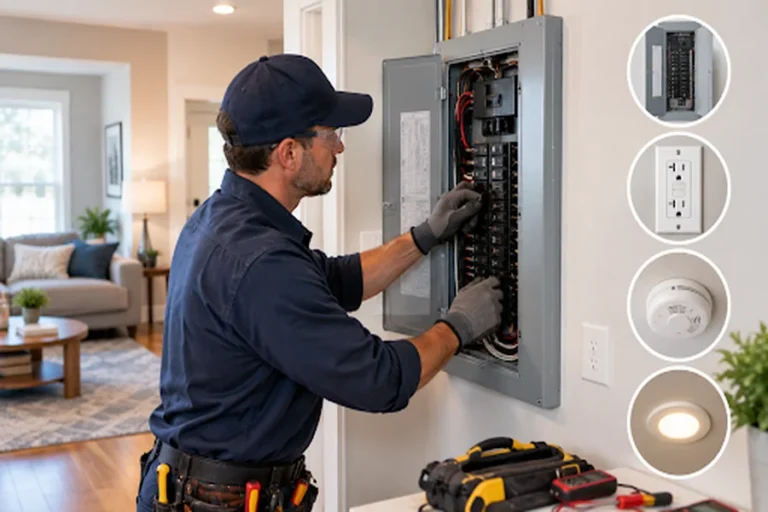
Electrical planning often determines the project schedule and cost. Collect utility bills and existing electrical drawings, then have a qualified professional assess spare capacity, panel space, conduit routes, and likely simultaneous load. Contact the utility early if service upgrades may be needed. The Department of Energy’s guidance on charging infrastructure procurement and installation also emphasizes early coordination with utilities and contractors.
Load management may allow a site to support more charging ports without immediately increasing service capacity. With this approach, available power can be distributed among chargers based on real-time demand and site conditions. Property owners should still understand how charging loads may affect demand charges, building operations, and future expansion plans before relying on a particular power-management strategy.
Choose the Right Charging Speed
The fastest charger is not automatically the best fit. Select equipment based on dwell time, driver needs, available power, construction cost, and expected turnover.
- Level 2 charginggenerally suits longer stays, including workplaces, hotels, multifamily properties, and many retail locations. It can support more charging spaces with lower electrical demand than high-power equipment.
- DC fast chargingmay suit travel corridors, high-turnover sites, and fleets that need vehicles back on the road quickly. It usually requires greater utility capacity, more detailed engineering, and a higher project budget.
A balanced mix can also be appropriate for larger properties. For instance, a hotel may primarily need Level 2 charging for overnight guests while reserving faster charging for drivers with shorter stays. Equipment selection should account for connector compatibility, software features, reliability expectations, and the type of vehicles most likely to visit the site.
Plan for Permits, Accessibility, and Safety
Confirm local electrical, building, zoning, signage, and inspection requirements before construction starts. The layout should account for accessible parking, clear paths of travel, reachable controls, cable management, striping, bollards, wheel stops, and nighttime visibility. Site owners should evaluate obligations under the Americans with Disabilities Act with local code officials and qualified design professionals, since requirements depend on the property and project scope.
Construction drawings should also show how the installation will remain safe in everyday conditions. Consider rain, snow, heat, low-light conditions, delivery activity, and the possibility of vehicles backing into equipment. Consistent signs and pavement markings can communicate who may use the spaces, whether charging is time-limited, and how drivers should report a problem.
Build an Operating Model
Document who owns the equipment, pays utility bills, sets pricing, manages access, handles refunds, and responds to driver questions. A property-owned model gives the site more control. A shared-cost arrangement divides responsibilities among partners. A service-based model can shift some operational work to a third party. Whichever approach is chosen, responsibilities should remain clear if property management changes.
Pricing should support the program’s purpose. Some sites may use charging as an employee or guest amenity, while others may seek to recover electricity and operating costs. Session fees, energy-based pricing where permitted, idle fees, and parking-based rules can encourage appropriate turnover. Still, the approach should be easy for drivers to understand before they plug in.
Prepare for Monitoring and Maintenance
A charging site is an ongoing service, not a one-time construction project. Monitor availability, failed sessions, energy delivery, session length, peak demand, revenue, and customer complaints. Establish response targets for outages and regularly inspect connectors, cables, screens, enclosures, signs, and protective barriers. Keep service contacts and replacement-part procedures available to avoid extended downtime.
Regular communication among property staff, installers, network providers, and maintenance teams is valuable when issues arise. Staff should know the basic steps for responding to damaged equipment, blocked spaces, payment questions, and emergency shutdowns. A simple documented process can improve driver confidence and reduce the time a charger remains unavailable.
Use a Phased Deployment Plan
A Four-Phase Approach
- Feasibility:Review demand, parking, electrical capacity, utility requirements, permits, incentives, and budget.
- Design:Finalize site plans, electrical drawings, equipment selections, operating rules, and construction schedules.
- Construction:Complete utility work, trenching, foundations, installation, testing, and inspections.
- Operations:Launch the site, monitor usage, resolve issues, and prepare for expansion.
Installing spare conduit, reserving electrical space, and preserving future parking locations can make later expansion far less disruptive. This approach allows a site to meet immediate demand while avoiding the need to reopen the pavement or redesign traffic patterns when additional ports are needed.
Measure Results After Launch
Review performance after 30, 60, and 90 days. Track uptime, sessions per port, energy delivered, average session length, peak demand, cost recovery, repeat use, and support response time. These results can reveal whether the site needs better signs, updated pricing, adjusted access rules, more chargers, or a different mix of charging speeds.
Feedback from drivers and on-site staff adds context to these measurements. A charger may show low use because it is difficult to find, poorly marked, temporarily inaccessible, or not aligned with the hours when drivers need it. Reviewing both operating data and real-world experience helps property owners make better decisions about future investment.
Final Commercial Charging Checklist
- Demand, dwell time, and vehicle use have been estimated.
- Parking flow, accessibility, lighting, drainage, and safety have been reviewed.
- Electrical capacity and utility requirements have been evaluated.
- The charging speed aligns with the site’s expected driver behavior.
- Permits, inspections, pricing, ownership, and support duties are documented.
- Monitoring, maintenance, and future expansion are part of the plan.
Conclusion
Reliable commercial charging starts with a practical understanding of the property and the people who will use it. By confirming power early, designing for safe access, matching equipment to parking duration, and planning for long-term operations, site hosts can create a charging program that works today and remains ready for future growth.