
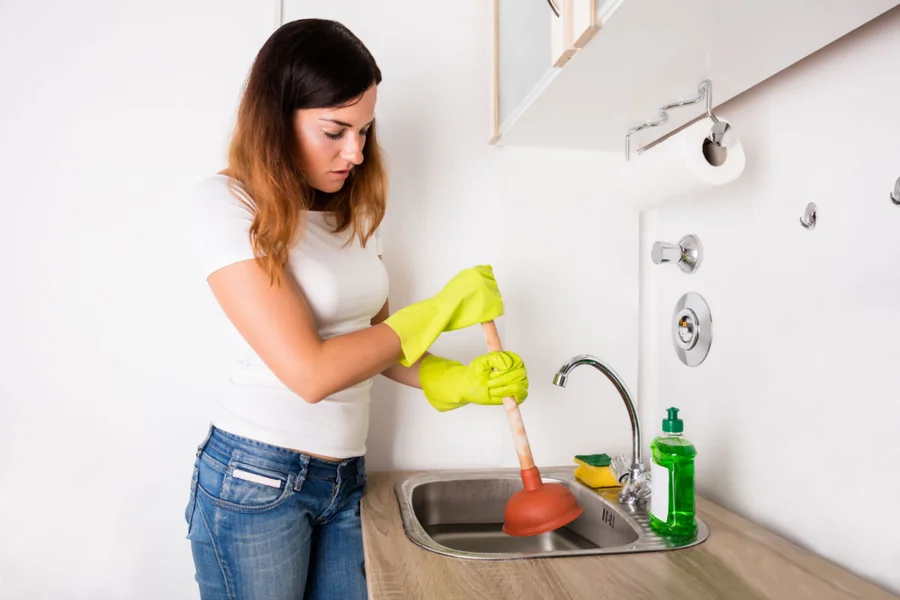
Reading Your Drains: How to Diagnose Clogs Before They Become Emergencies
Few home problems escalate as quickly as a blocked drain. One minute the sink is slow; the next, the dishwasher kicks on, and gray water burps into the basin. Understanding what your drains are telling you can help you act early and avoid damage to cabinets, flooring, or a finished basement. This article explains common symptoms, how to tell a fixture clog from a main line issue, what safe DIY steps actually help, when professional tools make the difference, and simple habits that keep pipes clear after a cleaning.
1. What Slow Drains, Gurgles, and Odors Really Tell You
Consistent slow flow at a single sink or tub often points to a local obstruction such as hair and soap scum in the P-trap or biofilm narrowing the trap arm. A sulfur-like odor at a sink can mean the trap has dried out or bacteria are thriving in sludge along the drain tailpiece. Gurgling from a toilet when a nearby tub drains, or bubbling in a shower when the washing machine discharges, usually indicates restricted airflow in the vent stack or a partial blockage down the main sewer line. Water rising from a basement floor drain is an especially strong sign the main line or lateral to the street is backing up.
If these warning signs spread across multiple fixtures or you notice water at the cleanout cap near the foundation, the problem is beyond a simple hair snag. At that point, it is reasonable to schedule local service through resources like Drain Cleaning Services in Muskogee, O,K so a technician can evaluate the main and branch lines before a full backup occurs.
2. Kitchen, Bath, or Main Line? Matching Symptoms to the Likely Blockage
Kitchen sink clogs often build in layers. Fats, oils, and grease coat the horizontal section of pipe under the cabinet; t, coffee grounds and pulverized food from a garbage disposal embed in the sticky film; and detergent residue hardens into a narrow channel. A realistic scenario is a Saturday morning cleanup: you run the dishwasher and sudsy water emerges from the sink because the shared branch cannot carry both flows. In bathrooms, hair, toothpaste, and shaving cream collect under the pop-up stopper and along the trap, while laundry rooms see lint and fabric fibers settle near the standpipe or utility sink outlet.
Main line symptoms feel different. Multiple toilets flush weakly, a downstairs shower drains slowly even after the cover is cleaned, and the basement floor drain shows rings from previous overflows. After a heavy rain, you might hear gurgling as trapped air struggles past a partial blockage. Tree roots can infiltrate older clay or cast-iron joints, and settled soil can create a “belly” where debris gathers. These conditions narrow the pipe, so fixtures compete for the same limited pathway and venting becomes erratic.
3. DIY That Helps vs. DIY That Hurts a Drain Line
Start with low-risk steps at the affected fixture. For a bathroom sink, remove the stopper and use a plastic hair removal tool rather than a coat hanger that can scratch the drain. Clean the P-trap by placing a bucket under it, loosening the slip nuts by hand, and rinsing out sludge. For kitchen drains, flush with hot water after scraping plates; if flow remains slow, try an enzyme-based cleaner overnight to reduce organic buildup without damaging PVC or corroding metal fittings. A wet/dry vacuum over a tub overflow or sink drain can sometimes pull a compact clog to the surface.
Avoid tactics that cause bigger problems. Chemical drain openers can soften or distort PVC couplings, pit older galvanized steel, and kill beneficial bacteria in septic systems. Forcing a small hand snake blindly can punch a hole through a grease plug, pushing the mass farther down the branch or snagging on the trap weir. Shoving a garden hose into a drain risks overflowing walls and cabinets. If a toilet is involved, use a proper closet auger instead of plunging aggressively, which can break the wax ring seal and create a leak at the base.
4. When Professional Tools Make the Difference
Some blockages need more than elbow grease. A drum auger with the correct cable diameter can reach farther than consumer tools and navigate multiple bends without kinking. For heavy grease, scale, or root intrusion, hydro jetting uses high-pressure water through specialized nozzles to scour the full pipe circumference, cut fibrous roots, and flush debris toward the main. Unlike simple snaking, which bores a hole, jetting can restore pipe diameter and reduce the likelihood of the same clog reforming quickly.
When backups repeat, a camera inspection pays dividends. A technician feeds a waterproof camera through a cleanout to view the interior of the line, identifying bellies, offsets at joints, collapsed sections, or foreign objects. Depth and location transmitters allow accurate marking of trouble spots in the yard or under a slab. This distinction matters: if a recurring blockage is caused by a low spot collecting grease 18 feet past the cleanout, targeted jetting and, in some cases, spot repair are a better long-term plan than periodic snaking that leaves the underlying defect untouched.
Preventive Habits That Keep Pipes Clear After a Cleaning
Good habits extend the time between service calls. In the kitchen, collect cooking oils and pan drippings in a sealed container rather than pouring them into the sink, install a tight-mesh strainer to catch rice and peels, and run plenty of cold water when using a disposal to move particles along. In bathrooms, add hair catchers to shower and tub drains, periodically remove and clean pop-up stoppers, and avoid flushing wipes labeled “flushable,” which often snag on pipe joints. In laundry areas, fit a lint trap to the washer’s discharge hose to keep fibers from settling in horizontal runs.
Two realistic scenarios show how these habits help. First, that Saturday dishwasher backup becomes unlikely when grease goes in the trash, a strainer catches bits before they reach the trap arm, and the branch is periodically maintained with enzyme treatments. Second, a basement floor drain that used to overflow during laundry cycles remains clear after a technician jets the main line and you keep the cleanout accessible for quick checks. The trade-off is simple: modest routine effort and occasional preventive service versus disruptive backups and emergency calls. Learning to read symptoms early, taking safe DIY steps, and calling in advanced tools when needed is the most reliable way to keep wastewater moving in the right direction.