A Complete Guide to Choosing the Right Office Copier
Despite the growing use of digital documents, copiers remain an important part of many modern workplaces. Businesses regularly need to reproduce contracts, reports, invoices, presentations, forms, and other physical documents. Businesses looking for reliable copiers in Singapore can compare available models based on their printing volume, functionality, and document management requirements. A reliable copier can help employees complete these tasks efficiently while supporting broader document management and office workflows.
Today’s copiers have evolved significantly from traditional machines designed only to make paper duplicates. Modern office copiers can combine printing, copying, scanning, and other functions in a single device. Many models can also connect to business networks and digital systems, making them useful tools for organisations that operate across both physical and digital environments.
What Are Office Copiers?
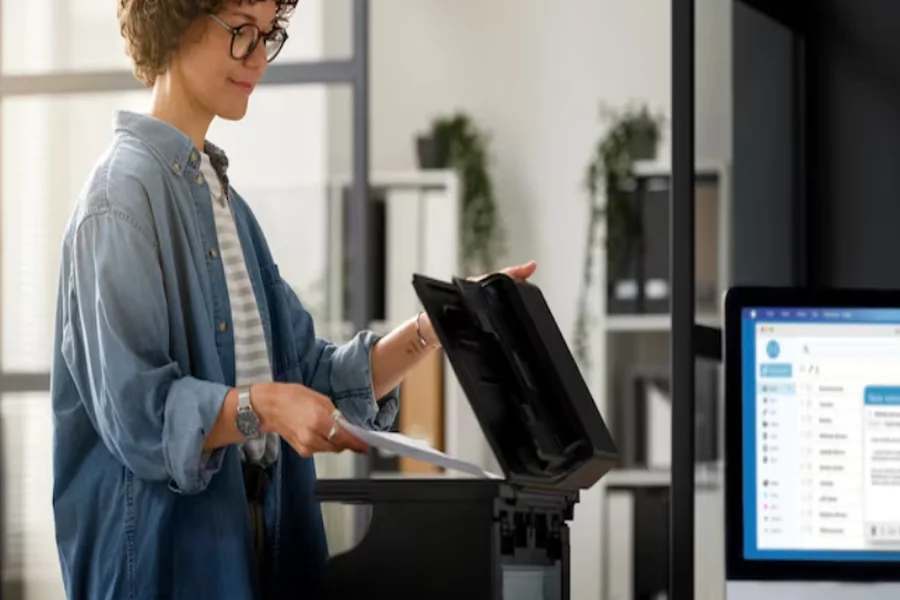
An office copier is a device designed to reproduce physical documents quickly and efficiently. Depending on the model, it may provide additional functions such as printing, scanning, faxing, and document sharing.
Copiers are available in different sizes and configurations. Small businesses may require compact equipment for moderate workloads, while larger organisations may need high-volume multifunction devices capable of supporting numerous employees.
The right choice depends on factors such as the organisation’s printing volume, document requirements, available office space, and desired features.
Why Are Copiers Important for Businesses?
Many business processes still involve physical paperwork. Employees may need to distribute printed documents during meetings, prepare signed copies of contracts, reproduce forms, or create physical records.
A dependable copier can help employees complete these tasks without unnecessary delays. Fast copying speeds and efficient document-feeding systems can be particularly useful for departments that process large quantities of paperwork.
Modern copiers can also reduce the need for multiple standalone machines. Instead of having separate devices for printing, copying, and scanning, a multifunction copier can combine several capabilities into one office solution.
Key Features to Consider
When choosing a copier, businesses should look beyond the initial purchase price. Several features can affect productivity and long-term value.
Speed is important for organisations with high document volumes. A copier with a suitable pages-per-minute rating can help reduce waiting times when employees need multiple copies.
Paper capacity is another consideration. Larger paper trays can reduce the frequency of refilling and may be useful in busy office environments.
Automatic document feeders can make it easier to scan or copy multi-page documents. Duplex functionality can also help businesses print or copy on both sides of a sheet, potentially reducing paper consumption.
Connectivity is increasingly important as offices become more digitally connected. Network-enabled copiers can allow multiple employees to access the device from their computers and other supported devices.
Choosing Copiers in Singapore
Businesses looking for professional office equipment can explore copiers in Singapore as part of their workplace printing and document management strategy.
Konica Minolta provides office printing solutions designed for different business environments. Its range includes multifunction devices that can support printing, copying, and scanning requirements while helping organisations integrate document processes into their everyday workflows.
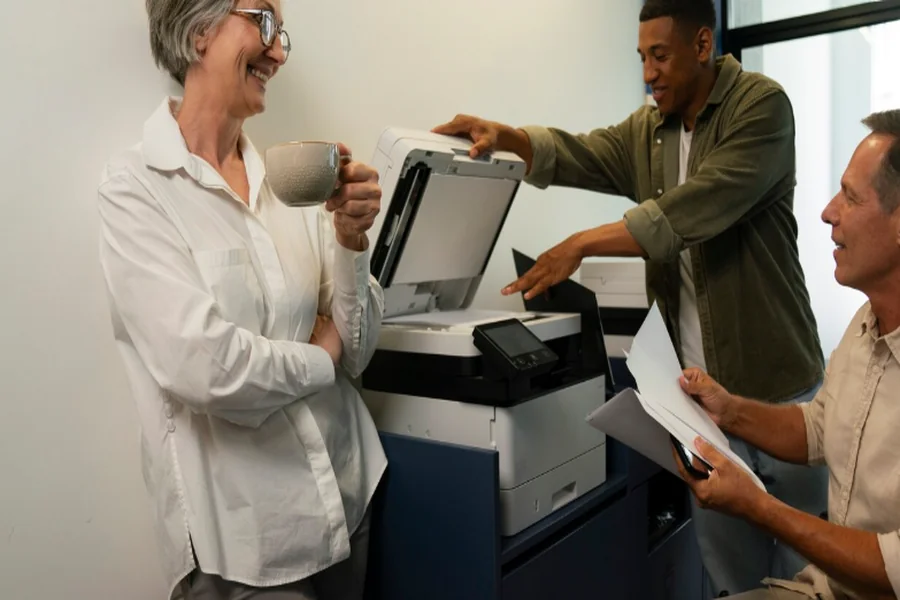
When comparing copiers, businesses should consider their expected monthly volume, number of users, document types, colour requirements, and available workspace. These factors can help determine which configuration is most appropriate.
Managing Copier Costs
The cost of a copier involves more than the initial purchase price. Businesses should also consider toner or other consumables, maintenance, electricity consumption, servicing, and potential replacement costs.
For this reason, it can be useful to evaluate the total cost of ownership rather than focusing exclusively on the upfront price. A device that costs more initially could potentially offer better long-term value if it provides greater efficiency, reliability, and functionality.
Businesses can also establish sensible document policies to control expenses. Encouraging employees to use duplex printing, avoid unnecessary colour copies, and digitise documents where practical can help reduce paper and consumable usage.
Copier Security
Security is another important consideration for modern office copiers. Multifunction devices may process sensitive business information, including financial documents, customer records, employee information, and confidential contracts.
Businesses should therefore consider security capabilities when selecting office equipment. Features such as user authentication, secure printing, access controls, and data protection can help reduce the risk of confidential information being accessed by unauthorised individuals.
It is also important to consider where copied and scanned documents are stored and how information is transmitted across the organisation’s network.
Copiers and Digital Workflows
Modern copiers can play a role in more than traditional document reproduction. Scanning capabilities allow employees to convert paper documents into digital files that can be stored, shared, and managed electronically.
This can help organisations reduce their dependence on physical paperwork while maintaining access to important records. For example, a signed document can be scanned and shared with relevant departments without requiring multiple physical copies.
Integrating copying and scanning into a broader document management strategy can therefore help businesses create more efficient workflows.
Selecting the Right Copier for Your Business
Every organisation has different requirements. A small office with occasional copying needs may not require the same equipment as a large company processing thousands of pages each month.
Before purchasing a copier, businesses should assess their current document volume and consider future growth. It is also worth determining whether colour printing is necessary, how many employees will use the device, and which additional functions are required.
Businesses should also consider after-sales support and maintenance. Reliable technical assistance can help minimise downtime and keep employees productive.
Conclusion
Copiers continue to play an important role in modern workplaces by supporting essential printing, copying, scanning, and document management activities. With multifunction capabilities and digital connectivity, today’s office copiers can provide much more functionality than traditional copying machines.
When choosing a copier, businesses should consider speed, paper capacity, connectivity, security, operating costs, maintenance, and overall workflow requirements. Selecting equipment based on actual business needs can help organisations improve productivity while managing long-term costs.
With the right copier solution, businesses can create a more efficient document environment that supports both traditional paper-based activities and increasingly digital workplace processes.