
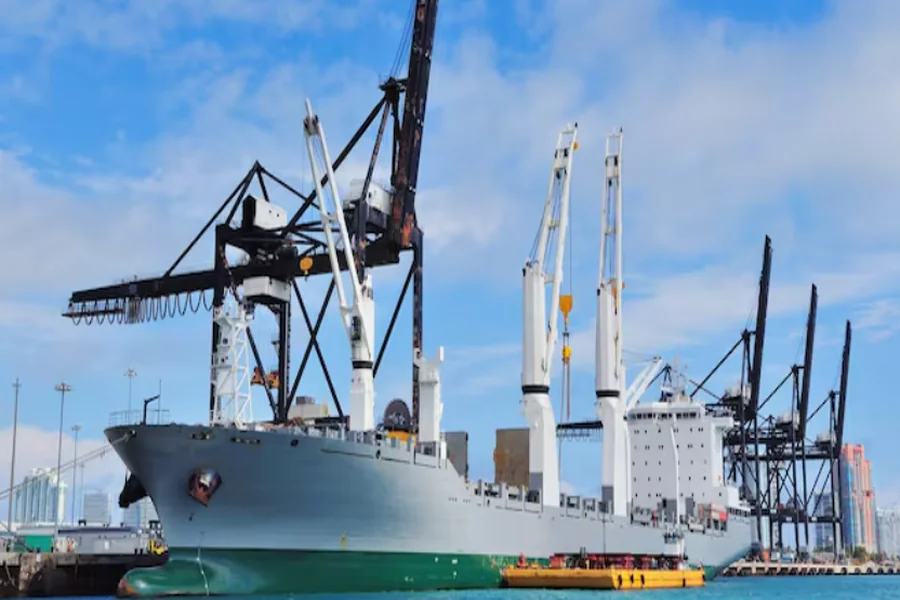
Maritime Arbitration: Resolving Shipping and International Maritime Disputes
The maritime industry operates across international borders and involves complex relationships between shipowners, charterers, cargo interests, insurers, brokers, contractors, and other parties. Because maritime transactions can involve different jurisdictions, contracts, regulations, and commercial interests, disputes can sometimes become complicated. Maritime arbitration provides a structured way for parties to resolve many of these disagreements without relying solely on traditional court litigation.
As international trade continues to depend heavily on shipping, arbitration remains an important mechanism for addressing commercial disputes efficiently and confidentially. Understanding how maritime arbitration works can help businesses involved in shipping make better-informed decisions when negotiating contracts and responding to disputes.
What Is Maritime Arbitration?
Maritime arbitration is a form of alternative dispute resolution used to resolve disputes connected with shipping, vessels, cargo, offshore activities, and other maritime transactions. Instead of having a dispute determined by a national court, the parties may agree to have an independent arbitrator or arbitration tribunal consider the matter and issue a decision.
Arbitration is usually based on an agreement between the parties. Many maritime contracts contain arbitration clauses that specify how disputes should be resolved, including the applicable arbitration rules, seat of arbitration, and sometimes the number and qualifications of arbitrators.
The ability to agree on procedural and jurisdictional matters can make arbitration particularly useful for international maritime transactions.
Common Maritime Arbitration Disputes
Maritime arbitration can cover a broad range of commercial disagreements. One common category involves charterparty disputes, where shipowners and charterers disagree about issues such as hire payments, vessel performance, off-hire periods, delays, or contractual obligations.
Disputes may also arise from bills of lading and cargo claims, including disagreements relating to cargo damage, loss, delivery, or contractual responsibilities.
Other maritime disputes can involve ship sale and purchase agreements, shipbuilding contracts, ship management arrangements, marine insurance, offshore construction, port operations, and vessel financing.
The complexity of these cases often means that specialist legal and technical knowledge is valuable. Lawyers may need to work with maritime experts, surveyors, engineers, accountants, or other professionals to understand the underlying facts.
Why Choose Arbitration?
One of the major attractions of arbitration is the ability to select a neutral forum. International maritime transactions may involve parties from several countries, and neither party may want to resolve a dispute exclusively through the courts of the other party’s home jurisdiction.
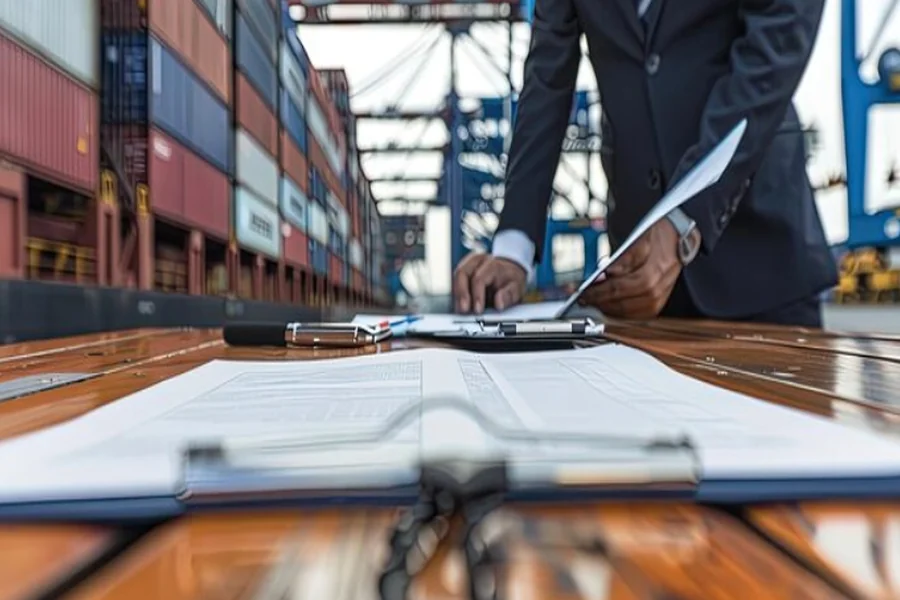
Arbitration can provide a neutral setting and allow parties to agree on procedural rules and the location of the proceedings.
Confidentiality can also be important. Commercial disputes may involve sensitive information about contracts, vessel operations, financial arrangements, or business relationships. Depending on the applicable rules and circumstances, arbitration may provide greater privacy than public court proceedings.
Another potential advantage is the ability to appoint arbitrators with relevant industry or legal expertise. Maritime disputes can involve highly specialised technical and commercial issues, making industry knowledge valuable when evaluating evidence and contractual arguments.
Maritime Arbitration
For companies seeking legal guidance on international arbitration matters, Maritime Arbitration is an important area of dispute resolution to understand. Specialist arbitration lawyers can assist clients with assessing arbitration agreements, developing case strategies, preparing submissions, managing evidence, and representing parties throughout the arbitration process.
When selecting legal counsel for a maritime arbitration, businesses should consider the team’s experience with international disputes, familiarity with relevant arbitration rules, understanding of maritime contracts, and ability to manage cross-border proceedings.
The Maritime Arbitration Process
Although procedures vary depending on the applicable arbitration rules and agreement, a maritime arbitration generally begins when one party initiates proceedings against another.
The parties may then appoint an arbitrator or tribunal in accordance with their agreement. The tribunal will establish procedural directions, including deadlines for submissions, evidence, witness statements, and hearings where necessary.
Each party presents its legal and factual arguments. Documentary evidence can be particularly important in maritime disputes and may include contracts, charterparties, bills of lading, vessel records, correspondence, invoices, inspection reports, and other operational documentation.
After considering the parties’ submissions and evidence, the tribunal issues an arbitral award. Depending on the applicable law and arbitration framework, the award may be binding and enforceable in relevant jurisdictions.
Importance of the Arbitration Clause
A carefully drafted arbitration clause can make a significant difference when a dispute arises. Maritime contracts should clearly identify important matters such as the arbitration rules, seat of arbitration, governing law, number of arbitrators, and method of appointment.
Ambiguous or poorly drafted clauses can lead to preliminary disputes about jurisdiction and procedure. These issues can increase costs and delay the resolution of the underlying commercial dispute.
For this reason, businesses should consider obtaining appropriate legal advice when drafting or reviewing maritime agreements, rather than waiting until a dispute has already developed.
Evidence and Expert Knowledge
Maritime arbitration often involves substantial technical evidence. For example, a dispute about vessel performance may require analysis of engine data, weather conditions, speed records, navigation information, or maintenance documentation.
Cargo disputes may involve survey reports, photographs, transportation records, packaging information, and evidence concerning loading and unloading procedures.
Expert witnesses can assist the tribunal in understanding specialised technical matters. Lawyers coordinating these cases need to present complex information clearly and connect the technical evidence to the contractual and legal issues in dispute.
International Enforcement
The international nature of shipping makes enforceability particularly important. Parties may be located in different countries, while vessels and assets may move between multiple jurisdictions.
International arbitration frameworks can provide mechanisms for recognising and enforcing arbitral awards across borders, subject to applicable national laws and treaties. This can make arbitration an attractive option for businesses seeking a dispute-resolution mechanism suitable for international commerce.
However, enforcement requirements can vary between jurisdictions, so parties should obtain appropriate legal advice concerning the applicable rules and circumstances.
Conclusion
Maritime arbitration provides an important mechanism for resolving disputes arising from international shipping and related commercial activities. Its flexibility, potential confidentiality, neutral forum, and access to specialist arbitrators can make it particularly suitable for complex maritime matters.
From charterparty disagreements and cargo claims to shipbuilding, marine insurance, and offshore disputes, arbitration can provide parties with a structured alternative to traditional litigation. However, successful arbitration depends on careful contract drafting, strong evidence, appropriate legal strategy, and an understanding of the applicable arbitration framework.
For businesses involved in international maritime commerce, obtaining specialist legal advice early can help reduce uncertainty and ensure that contractual dispute-resolution provisions are appropriately structured. A well-designed arbitration process can ultimately provide an effective pathway for resolving disputes while allowing maritime businesses to focus on their wider commercial operations.