
Laser vs Saline vs Surgery: Tattoo Removal Compared
A tattoo that seemed like a great idea a decade ago can start to feel like a permanent liability — whether it’s a name that didn’t work out, a design that’s faded into a blurry smudge, or ink that no longer fits a professional life. Once that decision is made, the next question is almost always practical: laser, saline, or surgery? Each method works differently, costs differently, and leaves a different mark on the skin, so the right choice depends on the tattoo itself and what’s realistic for the person carrying it.
How Laser Tattoo Removal Works
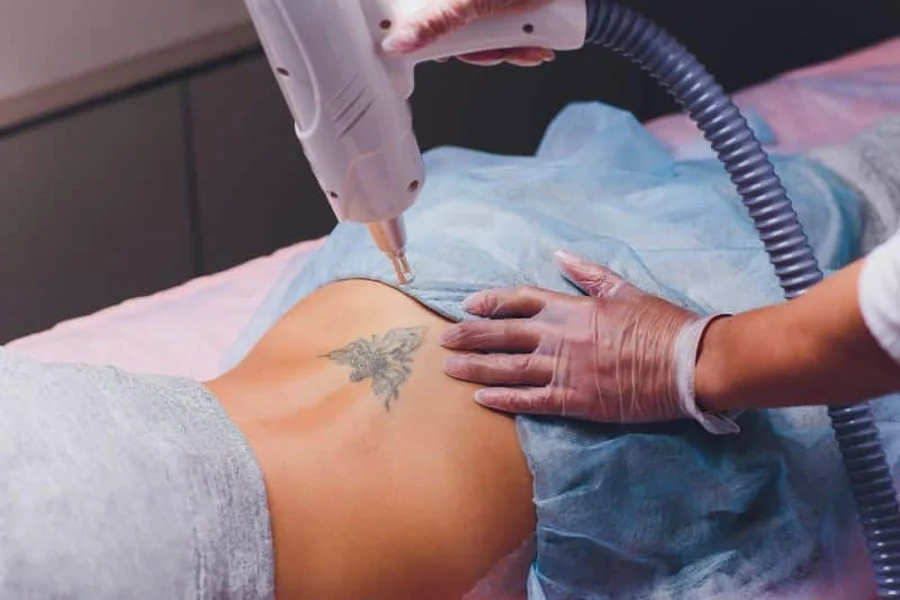
Laser removal uses focused pulses of light to break down ink particles sitting in the dermis. The fragmented ink is then cleared away gradually by the body’s immune system over the following weeks. Most people need somewhere between six and twelve sessions, spaced six to eight weeks apart, depending on ink density, colour, and how deep the tattoo was originally placed.
Q-switched and picosecond lasers are the current standard, and they’re effective on a wide range of colours, though black and dark blue ink typically respond faster than green, yellow, or white. Sessions usually take under thirty minutes for small to medium tattoos, and most clinics use a cooling device or numbing cream to manage discomfort. Side effects are generally mild: redness, swelling, and occasional blistering that resolves within a week or two.
Saline Tattoo Removal: What It Actually Does
Saline removal works on a completely different principle. A solution of saltwater, and sometimes other ingredients, is tattooed back into the skin over the existing ink, drawing pigment up and out through the scabbing process. It’s less about breaking down ink chemically and more about physically pulling it toward the surface.
This method tends to work best on newer, smaller tattoos or ones with lighter saturation. It’s also marketed as a gentler alternative for people who can’t use laser due to certain skin conditions or medications that cause photosensitivity. That said, saline removal generally takes longer to show results, often requires more sessions than laser for full clearance, and carries a higher chance of scarring if the technician isn’t experienced with the technique.
Surgical Excision: Cutting It Out
Surgical excision is exactly what it sounds like: a doctor removes the tattooed skin entirely and stitches the remaining skin back together. It’s typically reserved for small tattoos, since larger areas would require skin grafting or leave a long, noticeable scar line.
The upside is that it’s a one-time procedure with immediate, complete results — there’s no ink left because the skin itself is gone. The downside is a visible surgical scar, recovery time of a couple of weeks, and the fact that it’s simply not practical for anything bigger than a couple of inches. It’s most often used for small, isolated tattoos in areas where a thin scar line would be less noticeable than years of a stubborn design.
Cost, Time, and Pain Compared
Laser removal usually costs more upfront per session but spreads that cost over months or years, with total pricing depending heavily on tattoo size and number of sessions needed. Saline removal often has a lower per-session price but can require a similar or greater number of visits to reach comparable fading. Surgical excision tends to be a single, higher-cost expense, especially when performed by a plastic surgeon rather than a general practitioner.
Pain levels vary by person, but laser is frequently described as a quick, sharp snapping sensation, similar to a rubber band hitting the skin repeatedly. Saline removal involves a slower tattooing motion that many find more tolerable in the moment but uncomfortable during the scabbing and healing phase. Surgery involves local anaesthetic during the procedure, with soreness afterward as stitches heal.
Which Method Fits Which Tattoo
Small, simple, black-ink tattoos are good candidates for any of the three methods, which makes the decision more about personal preference and budget. Large, multicoloured, or densely packed tattoos are almost always better suited to laser, since neither saline nor surgery scales well to bigger designs. Tattoos on areas with thin skin, like wrists or ankles, need extra caution with saline and surgery because scarring risk increases in those spots.
Anyone with a tattoo covering more than a few square inches should treat laser as the realistic default, simply because it’s the only option built to handle that scale without major scarring. For those researching options locally, Melbourne tattoo removal specialists commonly recommend an in-person consultation before committing to a method, since skin tone, ink colour, and tattoo age all affect which approach will give the cleanest result.
Choosing a Provider
Whichever method seems like the right fit, the provider matters as much as the technology. Ask how many tattoos of similar size and colour they’ve treated, request to see before-and-after photos of comparable work, and confirm what equipment they use. A reputable clinic will also be upfront about how many sessions to expect and won’t promise complete removal in one visit for anything beyond a small, faded tattoo.
The real difference between these three methods comes down to scale and permanence of decision. Laser suits most tattoos and most people because it’s flexible and lower-risk for scarring. Saline can work well for smaller, newer ink when laser isn’t an option. Surgery makes sense only for small tattoos where a clean scar is preferable to slow fading — and in every case, a proper consultation before starting treatment saves both money and disappointment down the line.