Heat Pump Installation: A Practical Homeowner’s Guide
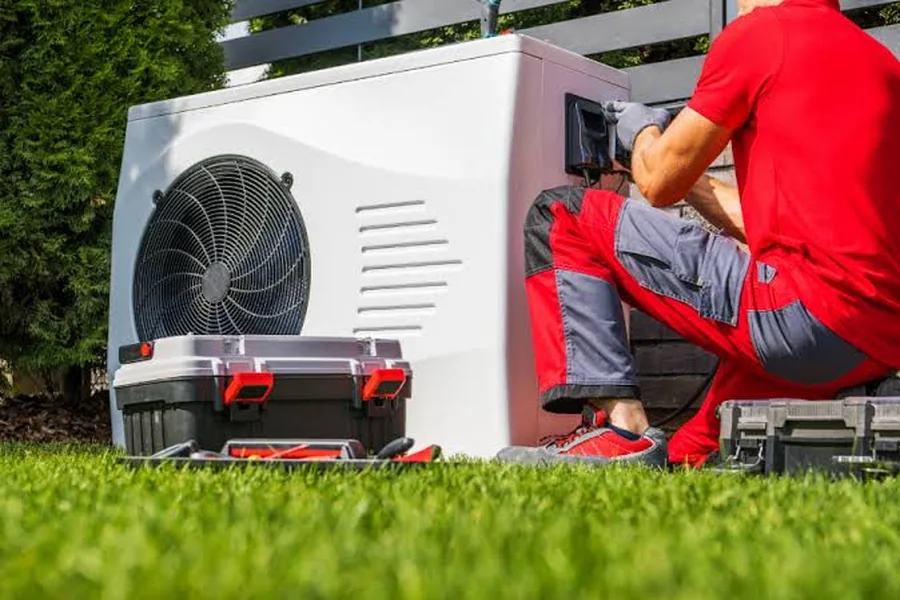
A heat pump installation looks straightforward on paper — pick a unit, schedule a crew, done in a day. The reality involves more decision points than that, and skipping any one of them tends to show up later as a system that runs harder than it should or costs more than the quote suggested.
Integrating heating upgrades with general home infrastructure checks often prevents unexpected delays during major renovations. Ensuring that surrounding lines and connections are in good condition helps maintain long-term system reliability. For broader home maintenance needs involving pipe inspections or line adjustments, utilizing Vancouver plumbing repair services from Sarkinen Plumbing can help keep property systems operating efficiently.
Planning for local climate conditions is another factor that influences how well a heating setup performs year-round. In regions with moderate winters and humid summers, selecting heating and air conditioning services in Seattle or similar coastal environments helps ensure the system handles both heating demands and seasonal moisture control effectively without overworking components.
Sizing Uses Different Numbers Than a Gas Furnace
Sizing comes first, and it is not just a matter of matching the old furnace’s output. Heat pumps are rated differently than gas systems, using SEER2 and HSPF2 ratings that measure cooling and heating efficiency separately. A 3-ton unit rated at HSPF2 7.5 will perform noticeably better in a Bay Area winter than a 3-ton unit rated at 6.5, even though both show up as identical tonnage on a spec sheet. That 1-point difference in HSPF2 can mean 10 to 15 percent more heating output per dollar of electricity spent.
Comparing electricity costs can also help homeowners estimate the long-term operating expenses of a heat pump before selecting a system. Resources such as dominion energy ohio may provide useful information for homeowners reviewing their energy costs and planning for more efficient heating.
Electrical Panels Aren’t Always Ready for a Heat Pump
Electrical capacity gets overlooked more often than it should. Older homes wired for a gas furnace and a smaller AC condenser sometimes lack the panel capacity for a full heat pump system, particularly larger 4-ton or 5-ton units. A homeowner planning a heat pump system installation in San Mateo County should ask specifically whether the existing electrical panel supports the new unit’s amperage draw, since a panel upgrade adds $1,500 to $3,000 to a project that otherwise would have been a straightforward swap.
Ten Feet of Clearance Changes the Noise Level
Outdoor unit placement affects both performance and neighbor relations in ways people do not always anticipate. A unit placed too close to a bedroom window can register 50 to 55 decibels at close range during peak operation, noticeable enough to affect sleep for a light sleeper. Moving that same unit 8 to 10 feet further from the window, where clearance allows, typically drops perceived noise by half without any change to the equipment itself.
Working with a company like Air & Plumbing Systems that walks through placement options before installation day, rather than defaulting to whatever spot is closest to existing electrical and refrigerant lines, tends to prevent this kind of after-the-fact complaint. Relocating an outdoor unit after installation runs considerably more than positioning it correctly the first time, since it means breaking and re-running refrigerant lines rather than routing them once.
Backup Heat Strips Run Less Efficiently Than People Assume
Backup heat strips are worth understanding before installation, not after the first cold snap. Most heat pumps include electric resistance backup for temperatures below roughly 35 to 40 degrees, and that backup heat runs considerably less efficiently than the heat pump’s normal compressor-driven operation. A system undersized for the home ends up relying on backup strips more often than it should, which shows up as an unexpectedly high electric bill during the coldest weeks of the year.
Commissioning Is the Step Most Often Skipped
Commissioning, the final step where a technician verifies refrigerant charge, airflow, and control settings match the manufacturer’s specifications, gets skipped more often than it should on rushed installations. A properly commissioned system typically runs 10 to 20 percent more efficiently over its first year than one installed but never fully verified against spec, a gap that often goes unnoticed until someone compares utility bills against a neighbor with an identical unit.
None of these steps require a homeowner to become an expert in refrigeration cycles. They require asking whether each one happened, and getting a specific answer rather than a general reassurance that everything is handled.