How to Vet a Deck Builder’s Portfolio Before You Call Them
Let’s be honest, every deck builder’s website looks great. Sunny photos, clean lines, happy families sipping lemonade on a brand new deck. But here’s the thing nobody tells you: a pretty photo gallery doesn’t mean the crew behind it actually knows what they’re doing. If you’re hunting for the best deck builder near me, learning to read a portfolio properly before you even pick up the phone can save you a ton of headache later.
Why Photos Alone Don’t Tell the Whole Story
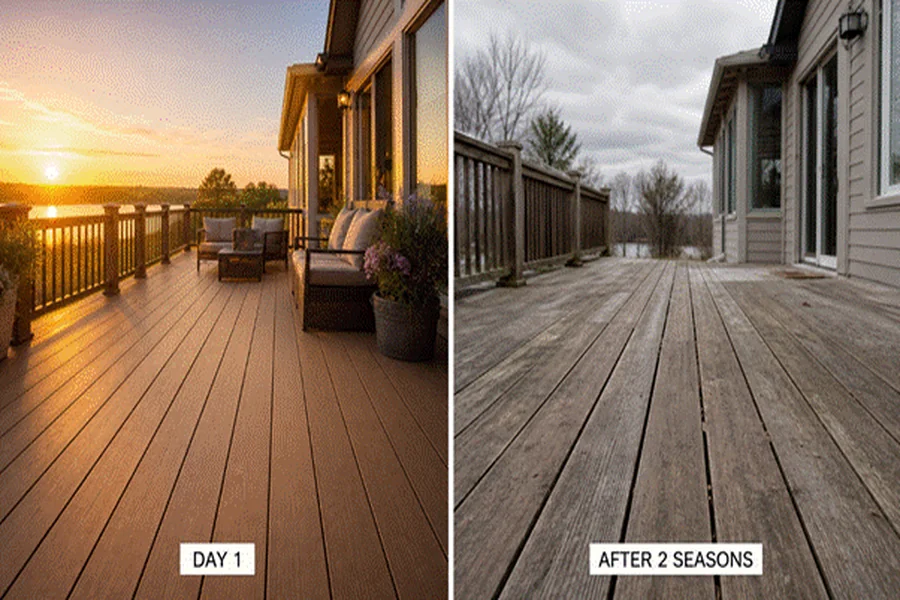
Most portfolio shots are taken right after installation, before the boards have gone through a single summer or a rough winter. That timing matters. Wood and composite decking can shift, fade, or show gaps after a few seasons, and a fresh install photo just won’t show you that.
There’s also the lighting problem. A good photographer with soft morning light and the right angle can make even a mediocre installation look flawless. I’ve scrolled through plenty of galleries where everything looks perfect, until you notice every single photo was clearly shot within the same hour on the same day.
What to Look for in Real Project Photos
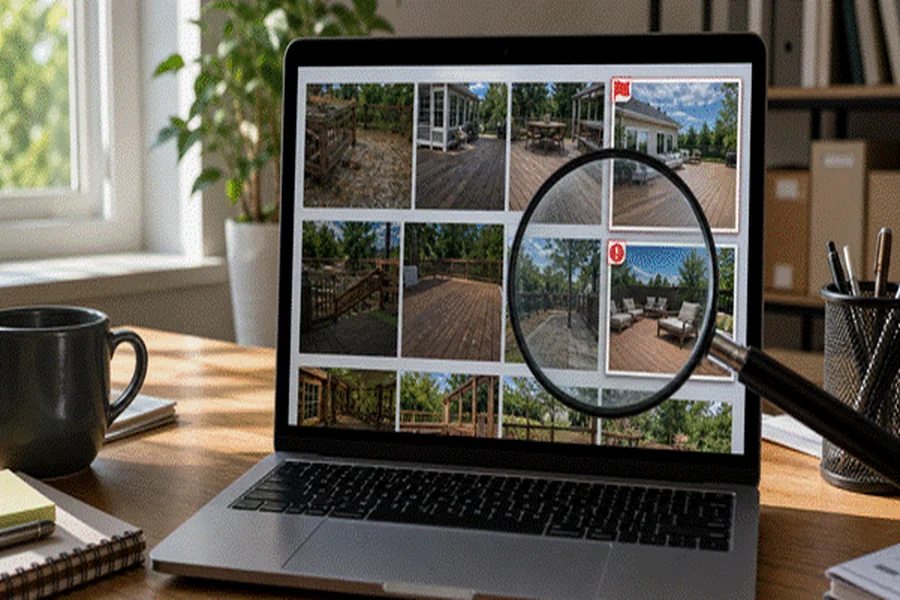
Here’s where you actually start doing detective work. Zoom in on the board seams. Are they tight and even, or do they look a little rough around the edges? Fastener lines matter too; a clean install won’t have screws scattered randomly across the surface.
Also, check whether the builder shows different stages of a project, not just the glamorous final shot. Before and during photos tell you a lot more about how they actually work.
A quick checklist to run through while scrolling through any portfolio:
- Straight, tight seams between boards
- Clean edge and stair finishing, no rough cuts
- A mix of different projects, not the same deck, photographed from four angles
- At least a few photos of older projects, so you can see how the material actually held up over time
If a builder only shows brand new work with zero older projects, that’s worth noting.
Red Flags in a Builder’s Portfolio
Some warning signs are easy to spot once you know what to look for. Stock photos are a big one, and yes, they happen more than you’d think. If a photo looks suspiciously polished with no real address or neighborhood context, be skeptical.
Another flag: a portfolio full of manufacturer product shots instead of actual completed jobs. That tells you they’re leaning on someone else’s marketing material, not their own work.
Watch for a lack of variety, too. Same deck, four angles, repeat. And pay attention to what’s missing. Real portfolios usually include tricky spots like stairs, corners, and where the deck meets the house. If none of that shows up, they might be hiding the parts that didn’t turn out great.
How Portfolio Quality Connects to Reviews and References
Once a portfolio passes the eye test, cross-check it against reviews. Look at Google reviews or Nextdoor mentions and see if the neighborhoods and rough dates line up with what’s in the portfolio. If a builder claims dozens of local projects but their reviews are thin or scattered across random cities, something doesn’t add up.
An easy trick here: just ask for one or two addresses of similar completed projects. A confident builder won’t hesitate to give you that, and a quick drive-by or a short call to the homeowner tells you more than any photo gallery ever could.
Questions to Ask Once You’ve Reviewed the Portfolio
Once you’ve done your homework, a phone call becomes way more useful. A few questions worth asking:
- Is this your own crew’s installation, or was any of it subcontracted out?
- Can I see a photo of a similar project after it’s been through a full year outside?
- What material was used, and is there still an active warranty on it?
These questions tell you fast whether you’re talking to someone who actually stands behind their work.
A portfolio is really just your first filter, not the final decision. Behind every polished photo should be real addresses, real seams, and a builder willing to back up what they’re showing you. Do that homework upfront, and picking the right crew gets a whole lot easier.