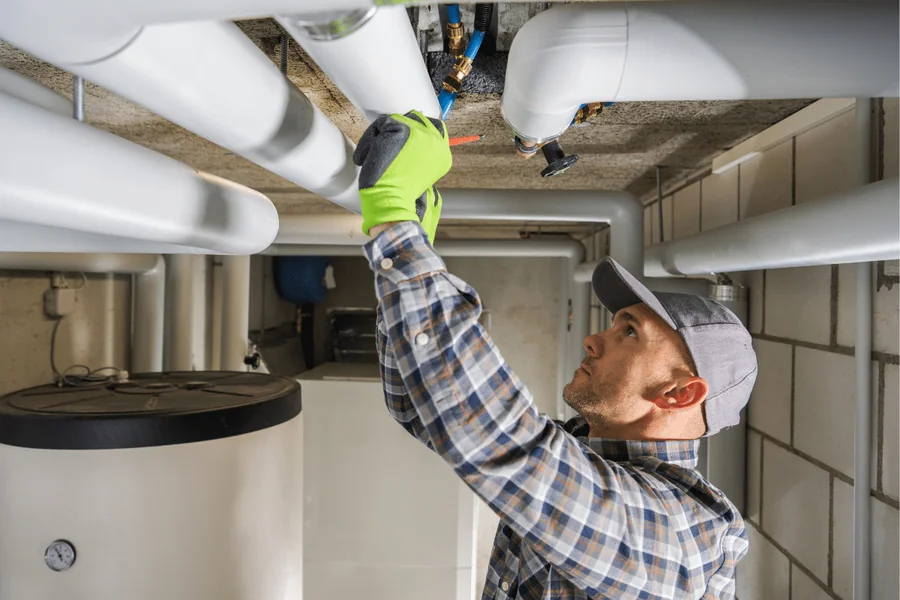
Improving Plumbing Reliability Through Complete Repiping Solutions
A dependable plumbing system is essential for maintaining the comfort, functionality, and safety of any residential or commercial property. Water pipes operate continuously behind walls, beneath floors, and throughout utility spaces, delivering clean water to kitchens, bathrooms, laundry rooms, and different appliances. Although these pipes are rarely visible, their condition has a direct impact on water quality, pressure, drainage performance, and the overall reliability of the building. Over time, plumbing materials can deteriorate because of corrosion, mineral accumulation, changing water pressure, temperature fluctuations, and ordinary wear. Older pipes may develop frequent leaks, become restricted by internal buildup, or lose their ability to distribute water efficiently. When these problems occur repeatedly, replacing individual damaged sections may no longer provide a dependable long-term solution. Professional repiping offers a practical way to upgrade an aging plumbing network by replacing deteriorated pipes with suitable modern materials. A carefully planned replacement project can improve water distribution, reduce recurring maintenance concerns, and provide property owners with greater confidence in their plumbing systems.
Understanding Plumbing System Deterioration
Every plumbing system experiences gradual wear because its components remain exposed to water pressure and regular usage throughout the year. Even pipes made from durable materials can eventually develop problems when their protective surfaces deteriorate or their internal passages become restricted. Metal pipes may experience corrosion, while older piping materials can become brittle and more vulnerable to cracking. Mineral deposits may accumulate inside certain pipes, gradually reducing the space available for water movement. These conditions can affect the performance of individual fixtures and create additional stress throughout the plumbing network. Property owners may notice reduced water pressure, discolored water, unusual pipe noises, or repeated leaks around different areas of the building. Recognizing these warning signs is important because widespread deterioration often indicates that the existing plumbing system needs more attention than a few isolated repairs.Plumbing deterioration does not always occur at the same rate throughout a property. Some sections may remain in relatively good condition, while other areas experience repeated problems because of their age, installation arrangement, water exposure, or operating conditions. Connections behind walls and beneath floors can be especially difficult to monitor because damage may develop without producing immediately visible symptoms. A professional inspection helps evaluate accessible piping, identify recurring problem areas, and determine whether deterioration is limited to specific sections or affects a larger portion of the system. Understanding the overall condition of the plumbing network allows property owners to make informed decisions about repairs, partial replacement, or a complete upgrade. Taking a comprehensive approach can prevent repeated service interruptions and reduce the possibility of unexpected water damage.
Signs That Pipes Need Replacement
One of the clearest indications that a plumbing system may require replacement is the repeated appearance of leaks in different areas of the property. When individual pipes or connections begin failing frequently, the problem may involve widespread deterioration rather than one isolated damaged component. Replacing a single leaking section can provide temporary relief, but additional weak points may develop elsewhere if the remaining pipes are also aging. Homeowners should pay attention to recurring moisture around walls, ceilings, cabinets, floors, and plumbing fixtures because these conditions may indicate concealed water loss. Rust-colored stains, bubbling paint, peeling wallpaper, and unexplained dampness can also suggest that older supply lines are deteriorating. A professional evaluation can help determine whether repeated leakage is connected to the age and condition of the entire plumbing network.Changes in water quality and pressure can provide additional clues about the condition of existing pipes. Older metal plumbing may release rust particles into the water supply when internal corrosion becomes advanced, resulting in discoloration or an unusual appearance. Mineral buildup can also restrict water movement, causing faucets and showers to deliver less water than expected. In some properties, homeowners may experience inconsistent pressure or unusual noises when water is running through older plumbing lines. Although these symptoms can sometimes have other causes, they should be investigated when they occur alongside recurring leaks or visible pipe deterioration. Replacing unsuitable or severely damaged piping can help restore more dependable water delivery and reduce the likelihood of continued plumbing problems.
Choosing Modern Piping Materials
Selecting suitable replacement materials is one of the most important decisions during a plumbing upgrade because different products offer different advantages and installation requirements. Copper piping has traditionally been used in water supply systems because of its strength, durability, and ability to handle hot and cold water applications when installed correctly. It can provide reliable performance, although material costs and installation requirements may be higher than some alternatives. PEX piping is another widely used option for suitable residential plumbing applications because it offers flexibility and can simplify installation through certain building layouts. Its flexibility may reduce the need for numerous fittings, helping create a more streamlined arrangement. CPVC is also used in appropriate water distribution systems because it can handle hot and cold water when the selected product and installation method meet the manufacturer’s specifications. The right choice depends on the existing plumbing configuration, operating conditions, and applicable requirements.Modern piping materials should be selected according to their intended purpose rather than appearance or initial purchase price. Supply lines, hot water connections, and drainage systems may require different materials because each application has specific operating conditions. Professional plumbers evaluate pressure requirements, temperature exposure, compatibility, durability, and installation limitations before recommending replacement products. Connectors, valves, adapters, and other fittings must also match the selected piping material to ensure secure and dependable connections. Using unsuitable combinations can create weak points that may lead to premature deterioration or recurring leaks. Investing in appropriate materials helps establish a stronger plumbing foundation and reduces the possibility of problems caused by incompatible components.
Planning a Repiping Project
A successful plumbing replacement project begins with a detailed assessment of the existing system and the property’s water distribution requirements. Professionals examine the building layout, identify accessible pipes, locate important connections, and determine which sections require replacement. They also consider the number of bathrooms, kitchens, laundry areas, appliances, and other fixtures that depend on the plumbing network. This information helps establish an efficient replacement plan that accommodates everyday water usage while avoiding unnecessary changes to unaffected areas. Careful planning is especially important when pipes are located behind finished walls or beneath flooring because accessing these sections may require additional preparation. A well-organized project helps minimize disruption and allows the installation work to proceed more efficiently.The plumbing layout must also account for water pressure, pipe dimensions, connection locations, and future maintenance requirements. Replacement lines should be routed through suitable areas without interfering with electrical systems, structural components, or other building installations. Professionals consider the location of shutoff valves and important connections so that individual sections can be accessed when future maintenance becomes necessary. They also determine whether the existing arrangement should be improved to provide more convenient access or better water distribution. Planning for future maintenance is particularly useful because an organized plumbing network can make inspections and repairs less complicated. A detailed approach helps ensure that the replacement system is designed around the property’s actual requirements instead of simply copying an outdated arrangement.
Improving Water Pressure
Low or inconsistent water pressure can make everyday household activities frustrating, especially when several fixtures are operating simultaneously. Homeowners may notice weak shower flow, slowly filling sinks, or reduced water delivery from kitchen faucets. Although pressure problems can originate from several sources, deteriorating pipes are an important possibility in older plumbing systems. Internal corrosion and mineral buildup can gradually narrow the available space inside pipes, restricting water movement and affecting the performance of connected fixtures. Replacing severely restricted piping with suitable modern materials can help restore more consistent water distribution when the existing pipes are responsible for the problem. A professional assessment is important because replacing pipes will not necessarily resolve pressure issues caused by municipal supply conditions, faulty pressure regulators, or other plumbing components.A properly designed replacement system should provide suitable flow to different fixtures without placing unnecessary stress on individual connections. Professionals evaluate the property’s water demand, pipe dimensions, distance between supply points, and available pressure before selecting an appropriate layout. They also inspect valves and connectors that may contribute to restricted water movement. Correctly sized pipes and secure connections help create a balanced system that supports simultaneous use of multiple fixtures. Improved water distribution can make showers, kitchen activities, laundry tasks, and appliance operation more convenient. By addressing the actual cause of pressure problems, property owners can avoid spending money on improvements that do not resolve the underlying plumbing concern.
Protecting Water Quality
The condition of water supply pipes can influence the appearance and quality of water delivered to household fixtures. As older metal pipes deteriorate, corrosion and accumulated deposits may affect the water passing through the system. Property owners might notice rust-colored water, visible particles, or an unusual appearance after turning on faucets. Although discoloration can sometimes result from maintenance work on the wider water supply network, recurring symptoms may indicate that internal pipe deterioration needs investigation. A professional plumber can examine the plumbing system and help determine whether the issue involves aging pipes, sediment accumulation, or another source. Identifying the cause is important because the correct solution depends on the actual condition of the supply network.Replacing deteriorated supply lines with appropriate materials can help reduce problems associated with corrosion inside the property’s plumbing system. However, material selection and installation must follow applicable requirements to ensure that replacement products are suitable for drinking water applications. Professionals should also examine connectors, valves, and other components that come into contact with the water supply. Flushing the system and checking the completed installation can help remove installation-related debris and confirm that the replacement lines are operating correctly. Maintaining clean and properly installed supply pipes supports dependable water delivery and helps property owners address concerns associated with aging plumbing materials.
Residential Plumbing Upgrades
Residential plumbing systems support several important household activities, making their reliability essential for everyday comfort. Kitchens, bathrooms, laundry rooms, and utility areas all depend on properly functioning pipes to deliver water and remove wastewater. When an older system begins experiencing repeated failures, homeowners may consider upgrading the plumbing network to reduce ongoing maintenance concerns. A replacement project can involve supply lines serving faucets, showers, toilets, washing machines, dishwashers, and water heaters. Each connection must be evaluated to ensure that the replacement materials and layout are suitable for the fixture being served. Professional planning helps coordinate these different requirements and creates a more dependable plumbing arrangement throughout the property.Home renovations provide an opportunity to address aging pipes while updating fixtures and improving the functionality of different rooms. For example, a kitchen renovation may involve relocating the sink, installing a dishwasher, or changing the arrangement of cabinets and appliances. Bathroom improvements may require new shower connections, updated bathtub plumbing, or relocated water supply lines. These changes can create additional demands on the existing plumbing network, particularly when older pipes were not designed to accommodate the updated arrangement. Replacing unsuitable sections during renovation can help prevent future problems and provide a stronger foundation for the new fixtures. Coordinating plumbing upgrades with other renovation work can also reduce the need to reopen finished surfaces later.
Commercial Plumbing Systems
Commercial properties often have more extensive plumbing requirements because they may contain multiple bathrooms, kitchens, employee facilities, customer areas, and specialized equipment. These systems can experience substantial water usage throughout the day, placing additional demands on supply lines, drainage connections, and important plumbing components. Aging pipes in commercial buildings may create operational difficulties when they begin leaking, restricting flow, or affecting water quality. Such problems can interfere with business activities, create maintenance expenses, and potentially affect the comfort of employees and customers. A professional plumbing assessment can help business owners understand the condition of their existing network and determine whether certain sections require replacement or a broader upgrade.Commercial replacement projects require careful coordination because plumbing work may need to be completed while limiting disruption to normal business operations. Professionals evaluate the building layout, water demand, fixture requirements, and available access points before planning the work. They may recommend completing the project in stages so that important facilities remain available wherever possible. Suitable materials and properly designed connections are essential because commercial plumbing systems must support regular usage and meet applicable installation standards. A well-planned upgrade can improve water distribution, reduce repeated service interruptions, and provide a more dependable plumbing foundation for the property’s ongoing operations.
Preventing Future Water Damage
Damaged pipes can cause significant property problems when water escapes behind walls, beneath flooring, or inside cabinets. Continuous moisture exposure may weaken drywall, damage wooden structures, deteriorate insulation, and affect flooring materials. In some situations, water can spread into neighboring rooms before the original source becomes visible. This makes recurring plumbing leaks particularly concerning in properties with aging supply lines. Replacing deteriorated pipes can help reduce the possibility of repeated failures when the existing material is the source of the problem. However, property owners should also consider whether earlier water damage requires separate drying, cleaning, or restoration work after the plumbing upgrade has been completed.Preventing future water damage also involves maintaining suitable operating conditions throughout the plumbing system. Excessive water pressure can place additional stress on pipes and fittings, while poor installation practices may create weak connections that fail prematurely. Professionals can evaluate pressure conditions, inspect valves, and ensure that replacement lines are properly supported. Property owners should periodically check accessible plumbing areas and monitor their water bills for unexpected increases. Any signs of moisture, unusual sounds, or reduced water pressure should be investigated promptly. Combining appropriate replacement work with regular maintenance helps protect building materials and supports the long-term reliability of the plumbing network.
The Professional Replacement Process
A professional replacement project usually begins with an inspection to determine the condition of the existing pipes and identify the areas that require attention. Plumbers examine accessible sections, review previous plumbing problems, and assess the property’s water distribution arrangement. They then prepare a plan that identifies suitable replacement materials, pipe routes, connection points, and any areas that may require access through finished surfaces. This preparation helps property owners understand the scope of the work and provides an opportunity to discuss practical concerns before installation begins. Depending on the size and condition of the plumbing system, the project may involve replacing selected sections or upgrading a larger portion of the network.During installation, damaged pipes are removed and replaced with new sections that are measured and connected according to the planned layout. Professionals use appropriate joining methods, install compatible fittings, and secure pipes with suitable supports. They also consider insulation and access requirements where necessary. Once the new plumbing sections have been installed, the system should undergo appropriate testing to identify leaks, pressure concerns, and other installation problems. Supply connections and drainage arrangements must be checked before walls, floors, and cabinets are restored. This quality-control process helps confirm that the replacement work has been completed correctly and that the plumbing network is ready for regular operation.
Choosing Experienced Plumbing Professionals
Selecting a knowledgeable plumbing service provider is essential because the quality of replacement work influences the long-term performance of the entire system. Property owners should look for professionals who understand different pipe materials, water pressure requirements, plumbing layouts, and appropriate installation methods. Experience with residential and commercial projects can be valuable because different properties present different challenges involving access, fixture arrangements, and water demand. A dependable professional should inspect the existing system, explain the recommended replacement approach, and provide clear information about the materials and work involved. Good communication helps homeowners understand their options and make decisions based on the actual condition of their plumbing network.Roland Black provides plumbing services designed to help property owners address common plumbing concerns and maintain dependable water systems. Those considering an upgrade to aging plumbing can explore repiping services and learn more about available plumbing solutions through the company’s website. Professional assistance can help identify deteriorated sections, evaluate recurring problems, and determine whether partial replacement or a more extensive upgrade is appropriate. Experienced plumbers can also recommend suitable materials and ensure that new connections are installed according to the property’s requirements. Choosing professional support can make the replacement process more organized while helping reduce the likelihood of recurring plumbing difficulties.
Maintaining New Plumbing Pipes
Newly installed pipes still require appropriate maintenance to preserve their condition and performance. Property owners should periodically inspect accessible connections, check beneath sinks, and examine areas around water heaters and appliances. Although modern materials can provide dependable service, valves, fittings, and flexible supply hoses may still experience ordinary wear. Monitoring water pressure and watching for unusual changes in water consumption can also help identify developing problems. If dampness, dripping, or unexpected pipe noises appear, the affected area should be inspected rather than ignored. Early attention can prevent minor concerns from affecting larger sections of the plumbing network.Keeping records of replacement work is another useful maintenance practice because it allows property owners to understand which materials were installed and where important connections are located. Installation records, product information, inspection findings, and maintenance details can make future service visits more efficient. Homeowners should also know the location of the main water shutoff valve and understand how to operate it if an unexpected plumbing failure occurs. Regular professional assessments can help evaluate the condition of important components and identify maintenance needs before they become disruptive. Taking these steps supports the long-term reliability of the upgraded system and helps property owners protect their investment.
Conclusion
An aging plumbing network can create repeated leaks, reduced water pressure, water quality concerns, and unnecessary property damage when deteriorated pipes are left in service. Replacing unsuitable materials with properly selected modern piping can improve water distribution and reduce the possibility of recurring plumbing problems. A successful replacement project requires careful inspection, appropriate material selection, accurate measurements, and professional installation techniques. Professional repiping provides an opportunity to upgrade the plumbing system while addressing underlying weaknesses that individual repairs may not resolve. By choosing experienced plumbing professionals and maintaining the completed system through regular inspections, property owners can protect their buildings, improve everyday convenience, and enjoy dependable plumbing performance for years to come.