Washington, DC Firearm Transportation Cases: What Drivers Should Know
Driving with a gun in Washington, DC might be a major legal issue. The District has very specific laws around transporting firearms. Some journeys beyond state lines are also covered by federal law. The two sets of regulations may overlap, but they are not the same. The details matter for drivers. Where you carry the gun, whether it is loaded and why you carry it can all be important. If the cops pull you over and find a gun, be calm. Don’t assume the situation is simple, and don’t speculate about your legal rights.
Start With the Basic DC Transport Rule
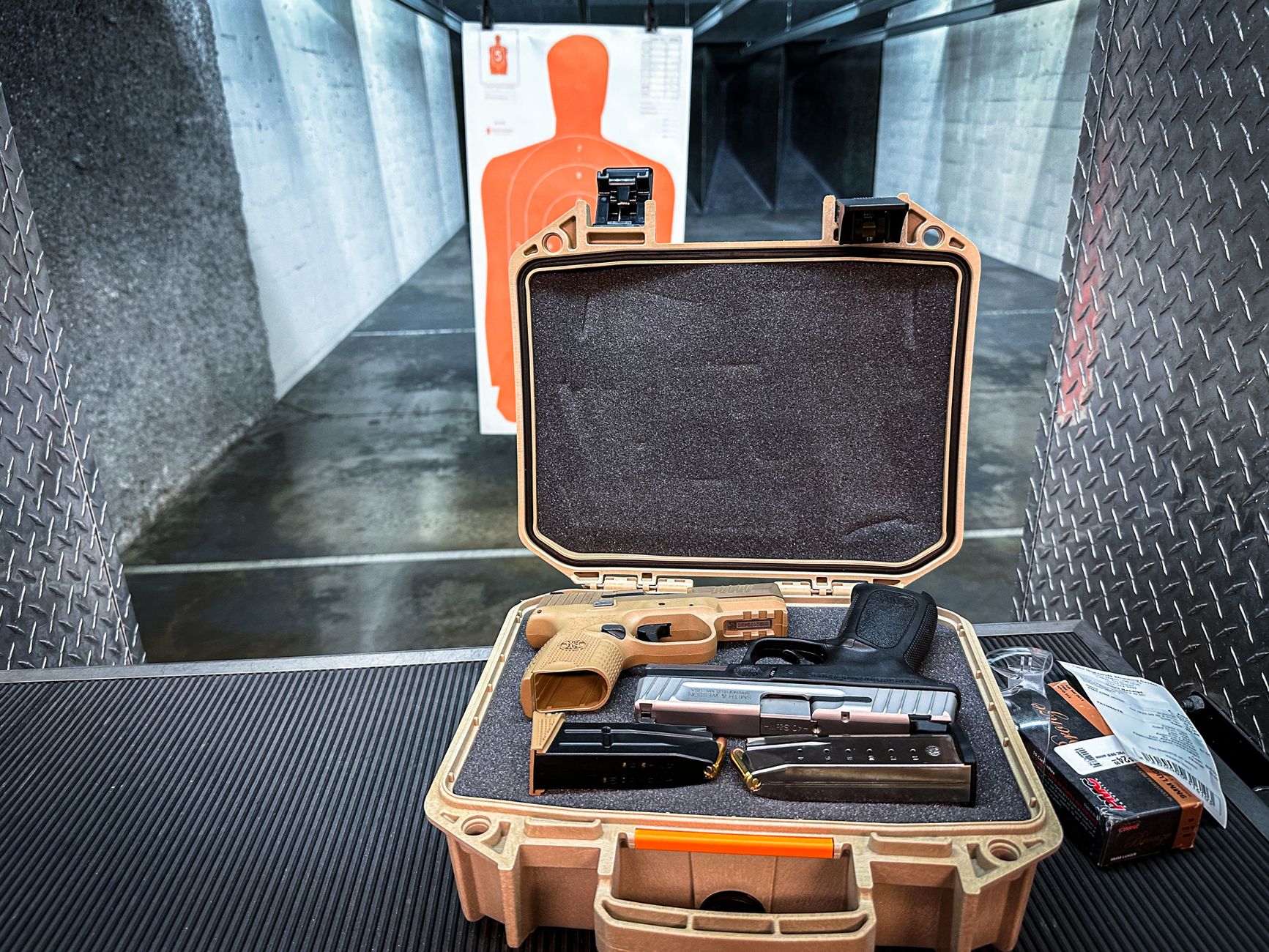
Under DC law, a person may not transfer a firearm unless specific conditions are met. The person is not restricted from transporting or receiving the gun. The objective of the journey should be lawful. The person must also be able to have and carry the firearm at both ends of the trip. And then there is the fundamental concern for drivers: storage. If you are carrying a pistol in your car, it must be unloaded. The gun and ammo must not be readily available to the passenger compartment. That sounds simple enough, doesn’t it? Well, the rule can be changed by the car itself. If the vehicle does not have a separate compartment away from the driver, the firearm or ammunition must be locked in a container. The glove box and center console don’t count.
Where Should the Gun Be Stored?
Consider access. The law cares if the firearm or ammo is readily accessible from the passenger compartment. A gun in a lockable container can raise different problems than a gun under a seat. DC police warn that firearms in vehicles must be unloaded and stored away from the passenger compartment. If the car has no distinct trunk or comparable compartment a lockable container becomes vital. A driver has to consider ammo, too. Access to both the firearm and ammunition while in transit is governed by DC law. One reason is to prepare to travel with firearms before you leave home. Don’t ask yourself whether the gun is loaded properly when you are parked at a gas station.
What If You’re Moving Across State Lines?
Some journeys over state lines with guns can be shielded by federal law. 18 U.S.C. § 926A permits a person not otherwise prohibited from transporting a handgun to transport a firearm for a legal purpose. The trip shall begin and terminate at locations where the person may lawfully possess and carry the handgun. The gun has to be unloaded the whole trip. The firearm and ammo also must not be easily accessible from the passenger compartment. If there is no distinct compartment, the firearm or ammunition must be in a locked container other than the glove box or console. This federal rule can be significant to drivers driving through D.C. But it’s not a mystical shield. The person still has to meet the conditions of the law. Crossing state lines does not magically turn someone who cannot lawfully carry the firearm into a lawful one.
Is a Driver a Criminal for Driving Through D.C.?
No, not alone. Federal law does authorize some interstate firearm travel. DC law also has regulations around lawful transportation. The essential question is whether the driver’s conduct fits the requirements. Imagine a driver going from one state to another. The firearm is unloaded, properly stowed, and the person is authorized to possess it at both ends. That’s not the same as a motorist with a loaded gun within easy reach. It also differs from a person who may not have firearms in his or her possession. The designation “passing through” doesn’t count as much as the facts do.
What Can Make a Gun Case More Serious?
A transport case can be more than just storage. Under DC law, it’s a separate crime to carry certain guns without the requisite license. For example, possessing a firearm in DC without a DC license can subject one to substantial criminal consequences. The legislation also prohibits carrying a firearm while committing a crime of violence or a serious felony. That crime carries significantly more severe sanctions. So officers can go outside the scene where the gun was found. They might question whose it was. They might question who had access. They may inquire as to where the motorist had been and where he was headed. They may also consider what the purpose of the vacation is. One fact can alter the whole picture.
What Happens When You Get Pulled Over
Finding a gun during a traffic stop might convert a regular interaction into a criminal prosecution. Police may take the weapon. They might ask you who owns it and where you traveled. They may also search the car based upon facts known to them. If stopped, be calm and answer truthfully. If you’re nervous, don’t make up some explanation. If you are arrested or charged, ask for an attorney. The reason for the stop and the rationale for any search may be crucial later on. A defense attorney can look at those incidents and match them against the law. The same applies to statements made at the stop.
And what if the driver is from out of state?
Out of state drivers this one is for you. A gun that is legal at home could yet run afoul of DC law. Federal interstate transport legislation can safeguard specific travels, but only if the prerequisites of that law are met. The trip must be for a lawful reason. The person shall be authorized to have and carry the handgun at either end. The firearm must be stowed and unloaded as needed. Don’t assume your home state rules travel with you. DC has its own laws. This is where most drivers go wrong.
Can A Lawyer Fight The Case?
A defense attorney can look at the start of the case. This may include the traffic stop, car search, location of the firearm, and comments given to police. The lawyer can also determine whether the firearm was loaded and if it was stored with the proper guidelines. If interstate travel is involved, there may also be federal law to consider. Then the lawyer can figure out the actual charge and possible defenses. If you are facing a firearm inquiry or charge, talking to a DC Gun Lawyer will help you understand your alternatives.
What To Do If You Get Charged
Take the charge seriously, even if you believe you have done nothing wrong. Keep every document of court and police. Write down what happened while it is still fresh in your memory. Do not post case details on the internet. Don’t call other persons involved and ask them to revise their story. Then talk to a criminal defense attorney. David Benowitz is an attorney representing clients accused of crimes in Washington, DC with Capital Criminal & DUI Defense Group. Mr. Benowitz is an experienced criminal defense attorney who has handled major defense cases. He is Martindale-Hubbell AV rated and is a member of the National College of DUI Defense. His firm is in Washington, DC. Getting legal assistance early can help you understand what you’re up against before making big judgments.
Details Matter
Firearm transfer cases sometimes hinge on little details. Had the gun been loaded? Where was it kept? Could you get to it from the passenger compartment? Was the driver going over state lines? So was the gun legal at either end of the trip? 3. Did police have a legal reason for stopping or searching? These are not small questions. They can create the defense. If you’ve been charged, don’t make assumptions. Get the facts examined by a lawyer familiar with DC gun legislation.
General Questions
1. Is it lawful to carry an unloaded firearm in Washington, DC?
Yes, if the legal requirements are fulfilled. The District of Columbia law demands a valid purpose and lawful possession at the beginning and the end. The firearm must also be emptied and secured as needed;
2. Where may I carry a gun while driving in D.C.?
The firearm must not be readily accessible from the passenger cabin. If the vehicle does not have a separate compartment, the firearm or ammunition must be in a closed container that is not the glove box or console.
3. Is there federal law to safeguard drivers crossing state lines?
These “safe passage” trips are protected under federal law, 18 U.S.C. § 926A. The person must be legally able to own the handgun on both ends. The rifle also must be emptied and safely stored when traveling.
4. Can a driver be charged if the gun is found during a traffic stop?
Yes. The facts may support a charge of possession of a firearm in violation of DC or federal law. The defense can review the facts of the stop, search, firearm location, storage and other circumstances surrounding the arrest.
5. Do I need to hire a gun lawyer in DC following a firearm arrest?
Yes. A lawyer can review the specific charge and how the cops found the gun. They can help determine whether DC or federal transportation laws apply to your situation and explain your legal options.