Why an Accident Reconstruction Expert Can Make or Break Your Injury Case
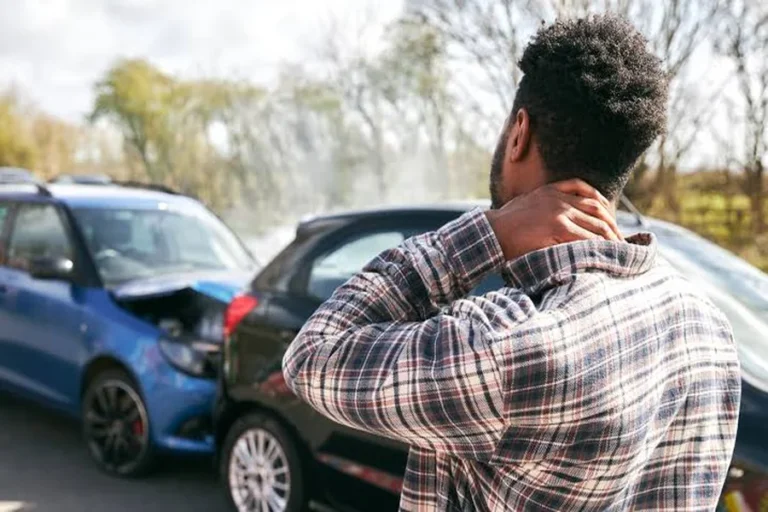
When two drivers tell different stories about a crash, the physical evidence often settles the dispute. An accident reconstruction expert uses science to show what really happened on the road.
Their conclusions can become the foundation of a strong personal injury claim, especially when an insurance company is fighting over fault.
What Does an Accident Reconstruction Expert Do?
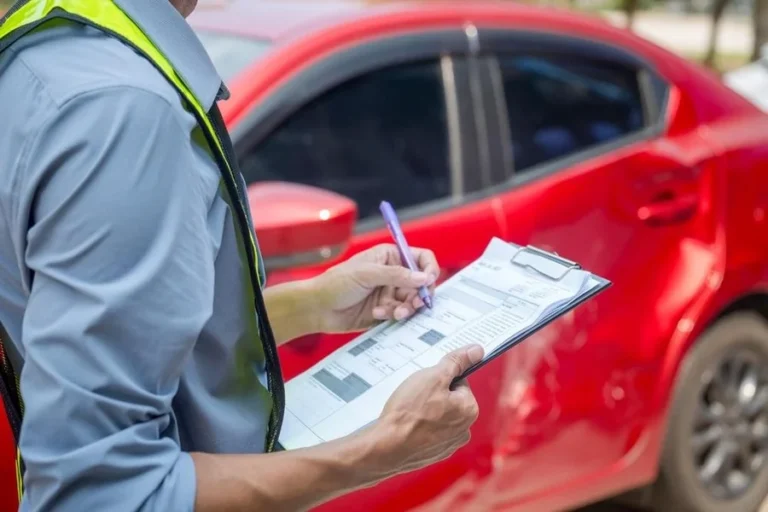
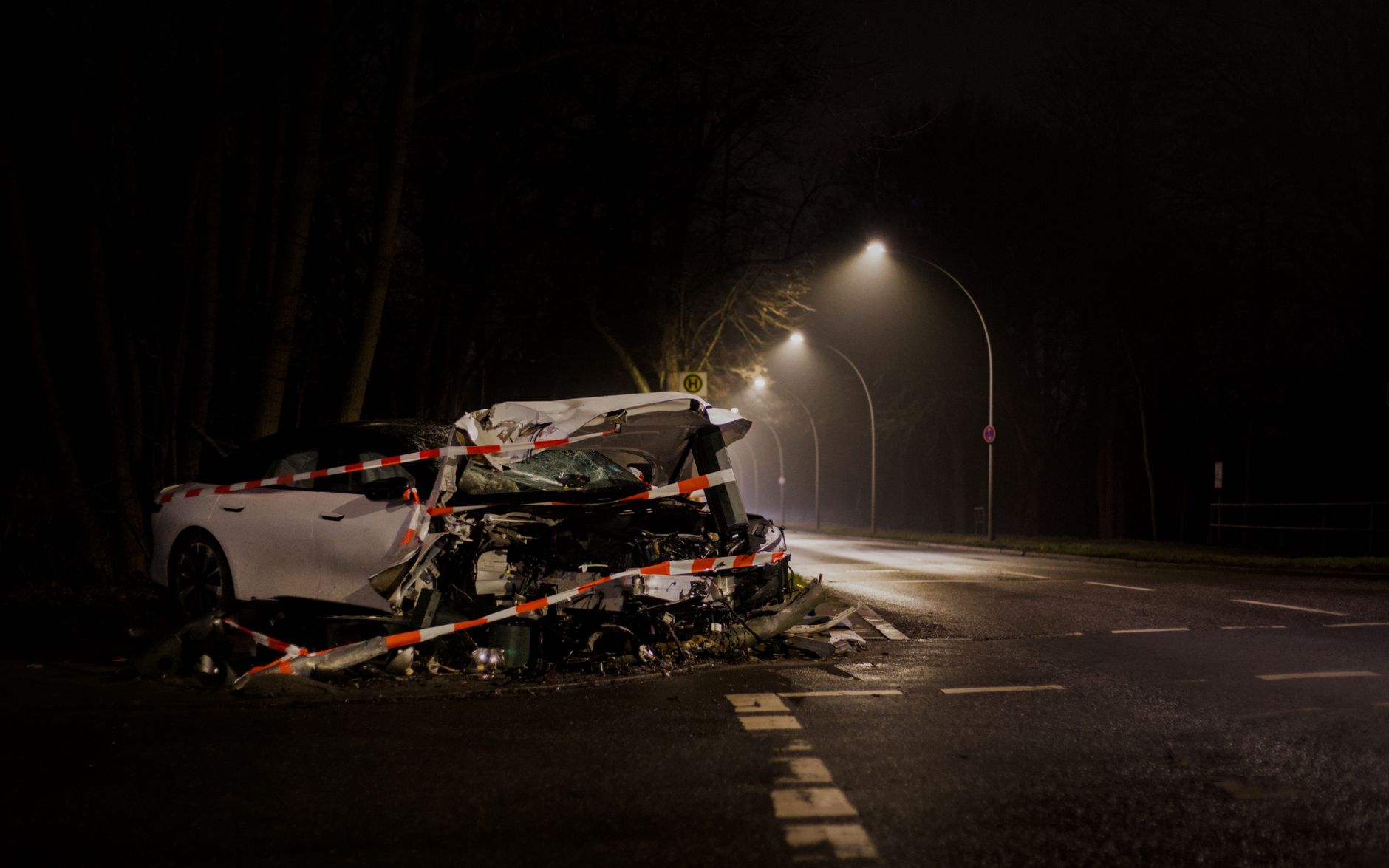
An accident reconstructionist starts with the aftermath and works backward. They study vehicle damage, where the vehicles came to rest, and the marks left on the roadway to rebuild the moments before impact.
This work applies to nearly every kind of collision, including passenger cars, motorcycles, commercial trucks, pedestrian strikes, and bicycle crashes.
The analysis rests on established principles such as conservation of momentum, friction, and driver perception-reaction time. Together, these explain how and why a crash unfolded.
The Evidence Behind a Reconstruction
Today's reconstruction combines old-fashioned scene work with digital data.
Physical Evidence at the Scene
Skid marks, yaw marks, gouges, and debris fields remain valuable. Experts photograph and measure them, along with road grade and curvature, before weather and traffic erase them.
Vehicles are also inspected for crush patterns and mechanical failures, which show the direction and force of impact.
Digital and Electronic Data
Event data recorders, often called black boxes, are now standard in most vehicles. They can capture pre-impact speed, braking, and airbag deployment timing.
Commercial trucks often carry telematics systems that log GPS location and hard-braking events. Smartphone records, infotainment logs, 911 calls, and surveillance or traffic camera footage can fill in the rest of the picture.
How the Reconstruction Process Works
Most cases move through three broad phases: investigation, analysis, and presentation.
Early Review and Evidence Preservation
The process begins with a case review to decide whether an expert is needed. Preservation comes next, and it is urgent. Black box data and video footage can be overwritten or deleted within days.
Investigators then document the scene, inspect the vehicles, and download event data under strict chain-of-custody rules so the evidence holds up in court.
Analysis and Deliverables
Analysts pair their calculations with crash test comparisons and simulation software to model the collision. The expert then builds a timeline of events and prepares a written report.
Diagrams and 3D models often accompany the report. These tools help explain the findings during settlement talks, mediation, or trial.
Qualifications and Methods
There is no single route into this field. Many reconstructionists have backgrounds in mechanical engineering, physics, or law enforcement crash investigation.
Credentials are available through organizations such as SAE and the Accreditation Commission for Traffic Accident Reconstruction. These require documented experience and a rigorous exam.
Experts use several techniques, including skid and yaw analysis to estimate speed, momentum analysis for multi-vehicle crashes, and crush analysis compared against published crash test data. Photogrammetry and finite element analysis add further detail.
When several independent methods reach the same conclusion, the findings carry far more weight with insurers, mediators, and juries.
How Reconstruction Strengthens Your Injury Claim
A reconstruction expert can be a deciding factor in a personal injury case. Their work can help in several ways:
- Establishing liability when witness accounts conflict with the physical evidence
- Proving negligent conduct, such as speeding or distracted driving
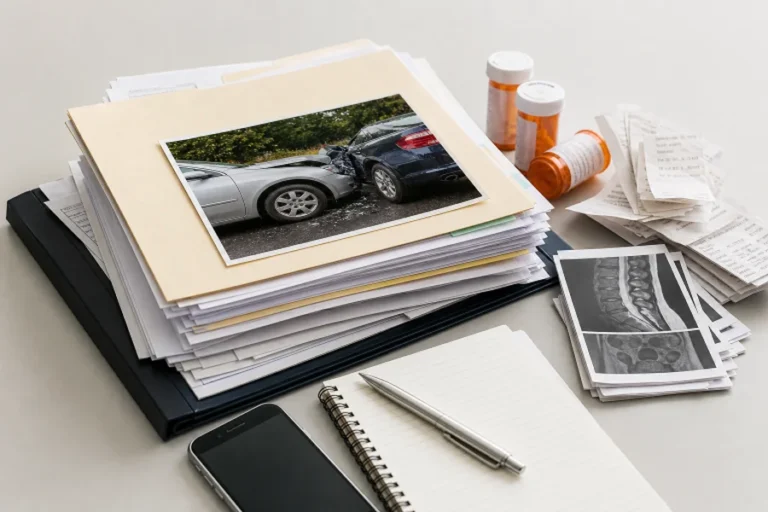
- Connecting crash forces to specific injuries
- Countering insurer tactics meant to undervalue a claim
- Supporting wrongful death cases where fault is disputed
Courts widely treat this kind of analysis as credible and persuasive.
Leverage in Negotiations and at Trial
Clear diagrams and models give a skilled car accident attorney real leverage against lowball settlement offers. In mediation, visuals help neutral parties see exactly how the crash happened.
At trial, a skilled expert can explain complex physics in plain terms a jury can follow. Good legal teams also prepare the expert for cross-examination on methods and data sources.
When to Involve a Reconstructionist
Reconstruction is especially useful in high-speed collisions, multi-vehicle wrecks, motorcycle crashes, pedestrian accidents, and fatal crashes. It also helps when fault is disputed or when the injured person cannot recall the crash because of trauma.
Timing matters. Skid marks fade, vehicles get repaired, event data gets overwritten, and video is often deleted quickly.
Reconstruction and Comparative Negligence
Insurers often contest fault even when it seems obvious. Reconstruction evidence documents a driver's breach of duty with scientific precision.
In California, pure comparative negligence rules allow injured people to recover damages even when they share some blame. Expert analysis can push back against efforts to shift more fault onto the injured person than the evidence supports.
Filing deadlines also apply to injury claims. They can be shorter when a government entity is involved, so acting early is essential.
How an Experienced Attorney Can Help
Turning technical findings into a persuasive claim takes legal skill. An experienced car accident law firm near you knows how to choose the right expert, whether the case involves motorcycle dynamics, trucking regulations, or pedestrian visibility.
A knowledgeable car accident lawyer will also handle police reports, secure critical evidence before it disappears, and build reconstruction findings into demand letters and trial strategy.
If you were hurt in a crash and the other side is disputing fault, speaking with an attorney early can significantly affect the outcome of your claim.