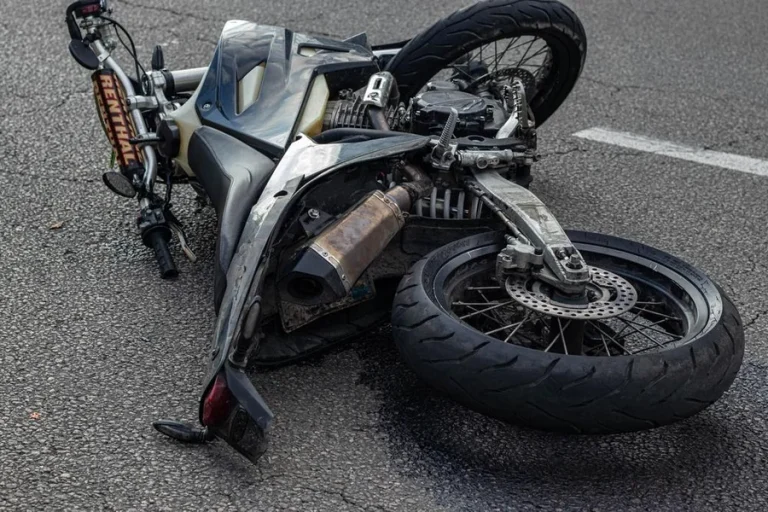
How Miami Drivers Can Protect a Car Accident Claim

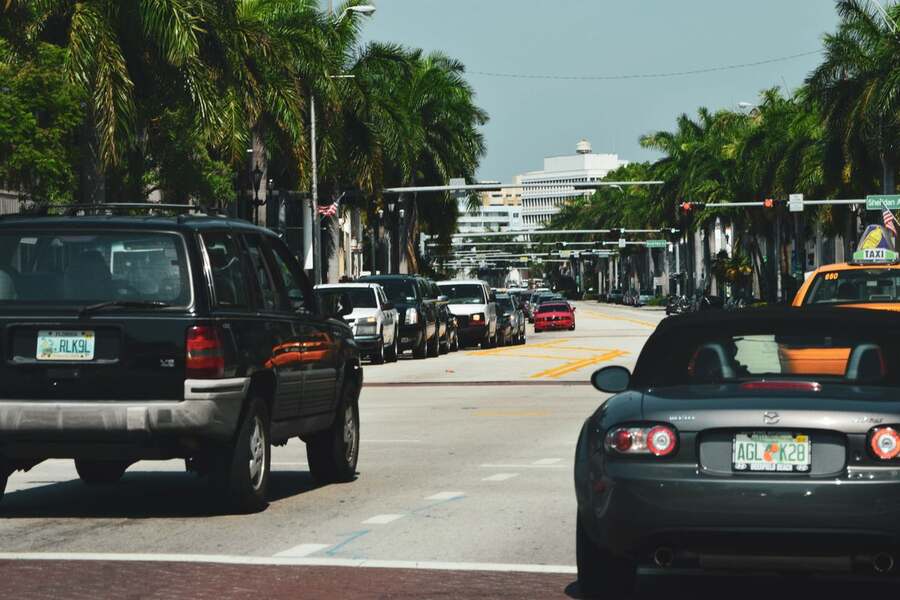
A car accident in Miami can disrupt daily life in seconds. Injured drivers may face medical appointments, lost income, vehicle repairs, and insurance calls. Knowing what to do after a collision can help protect your health and preserve information needed to assess a claim.
People hurt in Miami may need to understand Florida’s no-fault insurance rules and when a claim against another driver may be possible. A Miami car accident attorney can explain how evidence, insurance coverage, and injury records may affect available options. Options depend on the facts.
Why Miami Traffic Can Lead to Collisions
Miami brings together commuters, tourists, commercial drivers, cyclists, and pedestrians. Downtown streets such as Biscayne Boulevard and Miami Avenue can become crowded during rush hour. I-95 and I-395 carry heavy traffic, while Wynwood and Miami Beach attract visitors unfamiliar with local roads. Sudden stops and tight merges leave little room for mistakes.
Texting, speeding, tailgating, ignoring signals, and impaired driving can put others at risk. Rear-end crashes may happen when a driver fails to slow down, while unsafe turns can cause side-impact collisions. Photos of vehicle damage, road conditions, and witness details may help explain what happened.
Understanding Florida’s No-Fault Insurance Rules
Florida generally requires drivers to carry Personal Injury Protection, known as PIP. After many crashes, an injured person first seeks eligible benefits through their own PIP coverage, regardless of who caused the accident. PIP can cover part of medical expenses and lost income, subject to policy limits. It does not cover every loss or generally pay pain and suffering.
An injured person generally must receive initial medical services within 14 days after the crash to qualify for PIP medical benefits. Available medical coverage can depend on whether a qualified provider identifies an emergency medical condition. Review the Florida PIP statute and your policy. Prompt care supports health and documentation.
When a Claim Against Another Driver May Be Available
PIP may not cover the full cost of a serious injury. If another driver’s negligence caused the collision, an injured person may be able to pursue a third-party claim for losses beyond no-fault benefits. Depending on the circumstances, damages may include additional medical expenses, lost income, and reduced earning capacity. Evidence must support the other driver’s responsibility and the harm suffered.
Florida law sets a threshold for recovering pain and suffering damages in many motor vehicle cases. A qualifying injury may involve significant and permanent loss of an important bodily function, permanent injury, significant scarring or disfigurement, or death. Medical evidence helps show whether the threshold is met.
Medical Records Help Explain the Impact
Some injuries are noticeable immediately, while others develop over time. Whiplash, back pain, headaches, concussion symptoms, and soft tissue injuries may become apparent hours or days after impact. A healthcare professional can assess symptoms. Delaying care may worsen an injury and make it harder to document when symptoms began.
Keep medical records, bills, prescriptions, and work restrictions. Write down how symptoms affect activities such as driving, sleeping, and working. Follow medical advice and report new or worsening symptoms. Records show treatment and how an injury affects daily life.
What to Do After a Miami Car Accident
Move to a safe place if possible, check for injuries, and call 911 when emergency help is needed. Exchange contact and insurance details with the other driver and cooperate with responding officers. If safe, photograph the vehicles, damage, road layout, traffic signs, and visible injuries. Ask witnesses for contact information.
Report the crash to your insurer as required by your policy and keep copies of communications. Obtain the crash report when available. Give accurate facts, but do not guess about speed or fault. Be cautious about recorded statements or settlement documents you do not understand. Before accepting an offer, consider future treatment and time away from work.
How Miami’s Location Can Affect Accident Evidence
Miami is in Miami-Dade County and is a major South Florida center for business, tourism, and transportation. Downtown streets, expressways, waterfront areas, and visitor districts have different traffic conditions. A crash near Biscayne Boulevard may involve commuter traffic, while an incident near Miami Beach or Wynwood may involve visitors, pedestrians, and cyclists.
Write down the exact location, direction of travel, nearest intersection, and approximate time of the crash. These details can help identify nearby businesses or buildings that may have recorded the event. Security footage may not be kept for long, so possible sources should be identified promptly.
Frequently Asked Questions
Should I see a doctor if I feel fine after a Miami crash?
Consider medical advice after a collision, especially if symptoms appear later. Some injuries are not immediately noticeable, and a healthcare professional can recommend appropriate care.
Can I recover compensation if I was partly at fault?
Possibly. Florida generally follows modified comparative negligence. A person who is 50 percent or less responsible may recover damages reduced by their share of fault. A person more than 50 percent responsible generally cannot recover in a negligence action, subject to applicable law.
How long do I have to file a car accident lawsuit in Florida?
Many negligence claims arising on or after March 24, 2023, have a two-year filing deadline. Exceptions may apply, so confirm the deadline for your circumstances promptly.
What compensation may be available after a serious crash?
Depending on the facts and legal requirements, damages may include medical expenses, lost income, reduced future earning capacity, and pain and suffering. Recovery depends on the injury, evidence, insurance, and responsibility for the collision.
Conclusion
A Miami car accident can create medical, financial, and practical challenges long after the crash scene is cleared. Understanding PIP coverage, getting timely care, and keeping clear records can help injured people make informed decisions. Local details and reliable evidence may matter when responsibility is disputed.
Every collision is different, and an early insurance offer may not reflect the full effect of an injury. Preserve documents, follow medical advice, and understand your options before deciding how to handle a claim. When injuries are serious or an insurer disputes responsibility, qualified legal guidance can clarify the next steps.