Strategic Tree Removal Around Boulder Homes Cuts Wildfire Fuel Loads: How Roots Up Tree Company Helps
Key Takeaways
- Strategic tree removal can reduce connected wildfire fuel around a Boulder home without requiring complete clearing.
- Dead, diseased, leaning, storm-damaged, and poorly placed trees often deserve the earliest attention.
- Roots Up Tree Company evaluates tree condition, slope, access, structures, utility concerns, and surrounding vegetation before recommending work.
- Pruning, thinning, shrub removal, stump grinding, and debris hauling can all support a more effective defensible-space plan.
- Professional removal is especially important when a tree stands near a roof, driveway, fence, power line, or evacuation route.
For Boulder-area homeowners, wildfire preparation is not about stripping a property of every mature tree. It is about recognizing which trees, branches, shrubs, and debris create connected fuel that can carry flames or embers closer to a home. Roots Up Tree Company provides a professional tree removal service in Boulder CO designed to help property owners remove priority hazards while preserving the healthy trees that add shade, beauty, and value to their landscape.
From Lafayette and Boulder to Lyons, Nederland, Jamestown, Eldorado Springs, and surrounding Front Range communities, Roots Up Tree Company helps homeowners make practical decisions about dead trees, declining trees, dense stands, low branches, and trees growing too close to structures. Their approach focuses on safety, controlled removal, complete cleanup, and recommendations based on each property’s actual conditions.
Why Wildfire Fuel Loads Matter Around Boulder Homes
Wildfire fuel is any combustible material that can ignite and help a fire move across a property. Dry grass, pine needles, dead branches, brush piles, shrubs, fallen logs, low limbs, and tree crowns can all become part of that fuel arrangement. When those materials are tightly connected, fire has more opportunities to travel horizontally across the ground or vertically from low vegetation into the canopy.
Roots Up Tree Company helps Boulder County homeowners identify fuel pathways that are easy to overlook. A dead pine at the edge of a driveway, a juniper pressed against a deck, or low limbs hanging over dry shrubs may appear to be separate issues. In a wildfire, however, they can function as a connected route toward a home, outbuilding, fence, or access road.
Homeowners who want a property-specific view of these risks can learn how tree removal helps reduce wildfire risk through Roots Up Tree Company’s fire-mitigation guidance for Boulder County properties. The goal is not indiscriminate removal. It is thoughtful fuel reduction that makes the landscape more manageable and less continuous.
How Roots Up Tree Company Identifies Priority Trees
Not every tree near a house needs to come down. Roots Up Tree Company approaches wildfire-related removal by considering a tree’s health, stability, position, and relationship to nearby vegetation and structures. This helps homeowners direct their budget toward the work with the greatest safety value.
Dead, Dying, or Diseased Trees
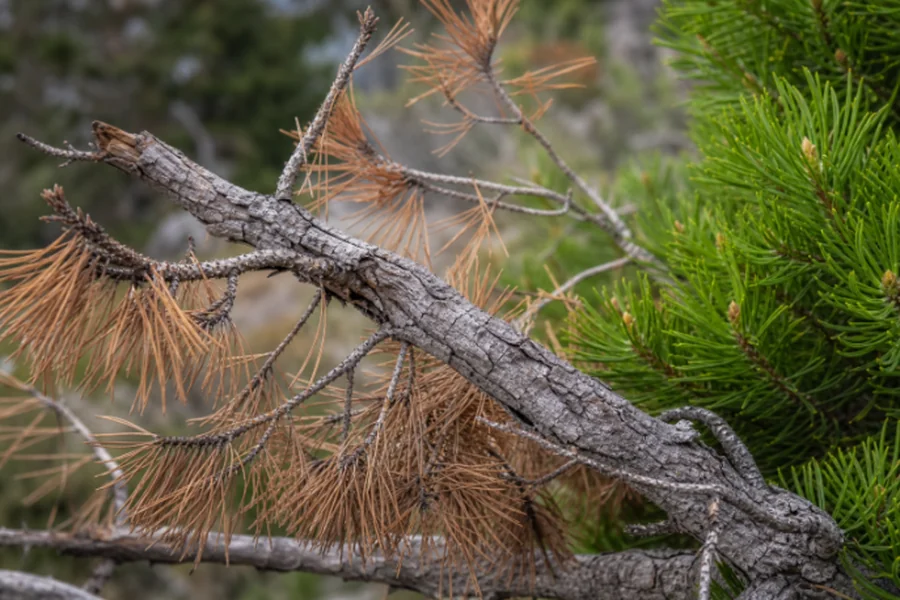
Standing dead trees are often a high priority because their dry limbs, loose bark, and brittle wood can create both fire and failure hazards. A dead or declining tree may also shed branches during wind or snow, adding material to the ground fuel layer. Roots Up Tree Company can safely remove hazardous trees near homes, driveways, fences, and utility areas, then manage the resulting debris rather than leaving combustible slash behind.
Leaning and Structurally Damaged Trees
A significant lean, trunk crack, cavity, split union, root disturbance, or large branch resting on a roof deserves professional evaluation. In addition to creating a potential wildfire fuel concern, a compromised tree can fail during strong winds, heavy snow, or emergency conditions. Roots Up Tree Company uses careful assessment and controlled cutting techniques to address difficult removals without treating every mature tree as a removal candidate.
Overcrowded Trees and Ladder Fuels
Ladder fuels are the smaller trees, shrubs, low limbs, and vegetation that create a vertical connection between the ground and taller tree crowns. When flames move upward through these layers, a surface fire can become more intense and harder to control. Roots Up Tree Company may recommend pruning healthy lower limbs, removing dense brush, thinning selected saplings, or removing a declining tree that cannot be made safer through trimming alone.
Strategic Removal Interrupts the Path of Fire
The most effective wildfire-focused tree work addresses continuity. Horizontal continuity occurs when vegetation is close enough for flames or radiant heat to move from one plant grouping to another. Vertical continuity occurs when low vegetation, branches, and understory trees give fire a route into taller crowns. Roots Up Tree Company reduces those connections through targeted removal and vegetation management.
- A dead tree near the home: Removing it eliminates dry overhead fuel and reduces the chance of brittle limbs or trunk sections falling near the structure.
- Low branches beneath mature trees: Pruning or removing problem vegetation can reduce the risk of damage from grasses and shrubs entering the canopy.
- A crowded stand of trees: Selective thinning can create better separation while retaining healthy, valuable trees.
- Trees over a roof, deck, or fence: Removal or structural pruning can reduce direct contact between vegetation and vulnerable building features.
- Storm-fallen wood and branch piles: Cleanup reduces surface fuel and helps keep driveways and access routes open.
This work is especially important in Boulder’s varied terrain. Homes near foothill forests, open space, drainage corridors, grasslands, or steep slopes may face different fuel patterns than properties in denser neighborhoods. Wind exposure, drought stress, snow damage, tree species, and the arrangement of nearby vegetation all affect the right mitigation plan.
Roots Up Tree Company Builds a Safer, Practical Removal Plan
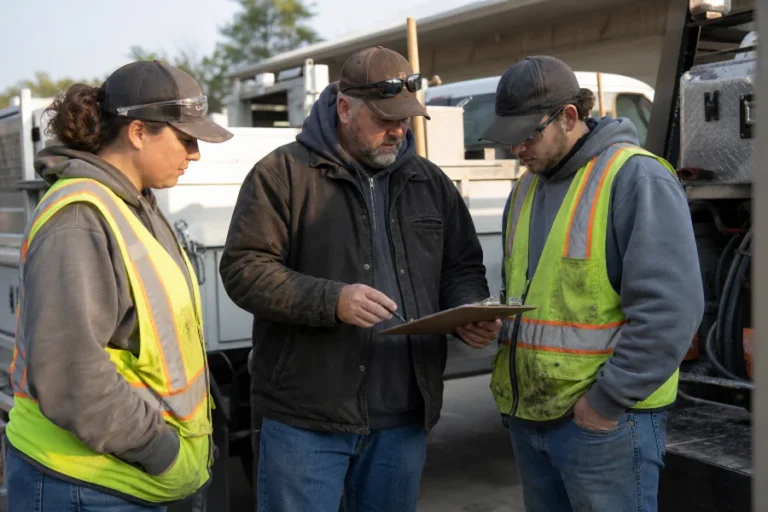
Roots Up Tree Company is not a one-size-fits-all removal contractor. Their trained crews begin by looking at the actual site. They consider the tree’s condition, lean, height, access, nearby structures, potential drop zones, slope, overhead hazards, and the amount of fuel surrounding it. This site-specific approach helps avoid unnecessary work while prioritizing the hazards that matter most.
Once the assessment is complete, Roots Up Tree Company explains the available options. In some cases, pruning is enough to remove dead limbs, increase clearance, and improve separation from a roof. In other situations, tree cabling or structural support may help preserve a sound tree with a manageable weakness. When a tree is dead, severely diseased, unstable, dangerously located, or unable to be safely improved, removal may be the most responsible course of action.
For difficult projects, Roots Up Tree Company brings the equipment and planning needed to protect the property. Their crews use controlled cutting, rigging, defined work zones, weather monitoring, and specialized equipment, including crane-assisted methods when appropriate. That matters when trees are located near homes, fences, driveways, landscaping, or power lines, where uncontrolled cutting can cause serious damage.
Debris Cleanup Is Part of Wildfire Mitigation
Removing a tree is only part of the job. If limbs, logs, brush, and dry needles remain piled near a house, fence, deck, or driveway, the property may still retain a concentrated fuel source. Roots Up Tree Company includes complete cleanup within the agreed scope of work, helping homeowners avoid turning a hazard-tree project into an unmanaged debris problem.
Depending on the project, the crew can chip branches, haul away material, remove logs, and discuss stump grinding for a cleaner, more usable finished area. Stump grinding can be particularly helpful when a homeowner wants to restore a landscape, improve access, prepare for replanting, or eliminate an obstacle in a frequently used area of the yard.
Clear access also supports emergency readiness. A driveway blocked by fallen limbs, a narrow route crowded by low branches, or a dead tree leaning over an entrance can complicate evacuation and restrict access for emergency responders. Roots Up Tree Company helps homeowners address these concerns before a storm or wildfire emergency creates time pressure.
Tree Removal Works Best With Defensible Space Maintenance
Tree removal should be part of a broader property-maintenance plan. The Colorado State Forest Service explains that the home ignition zone includes the structure and surrounding vegetation, so homeowners should look beyond a single hazardous tree. Roofs, gutters, decks, fences, shrubs, wood piles, grass, branches, and nearby trees all deserve regular attention.
Focus Closest to the Home First
Within the immediate area around a home, prioritize combustible debris and vegetation that could be exposed to embers carried by the wind. Keep gutters, roof valleys, decks, and the ground near siding clear of dry needles, leaves, dead material, and accumulated branches. Trees touching a roof or pressing against a structure should be evaluated promptly.
Manage the Middle Area of the Property
Farther from the structure, look for dense shrubs, low branches, small understory trees, and vegetation that connects ground fuels to tree crowns. Roots Up Tree Company can combine pruning, shrub removal, tree thinning, and selective removal to create more separation without sacrificing the property’s natural character.
Maintain the Outer Landscape and Access Routes
On larger lots and foothill properties, dead wood, overcrowded trees, downed material, and brush can build up over time. Ongoing inspections are important because trees decline, vegetation regrows, and storms change conditions. Federal wildfire-preparedness guidance also emphasizes reducing combustible vegetation and maintaining a more resilient community landscape through coordinated action.
When Removal Is Better Than Pruning
Roots Up Tree Company helps homeowners distinguish between a tree that needs maintenance and one that poses a more serious hazard. A healthy mature maple with a few overextended limbs may benefit from pruning that improves roof clearance and removes deadwood. A dead juniper leaning toward a house, however, may require removal because trimming cannot correct the underlying failure risk.
Removal is often the better option when a tree is dead, severely declining, structurally unstable, heavily damaged by storms, crowded into a hazardous fuel arrangement, or too close to a structure to be safely retained. Roots Up Tree Company gives homeowners clear recommendations so they can make an informed decision rather than guessing based on appearance alone.
Why Professional Tree Removal Matters in Boulder County
DIY tree removal is risky under ordinary conditions. It becomes even more dangerous around sloped terrain, brittle dead wood, utility lines, structures, and limited drop zones. Trees can shift unexpectedly, limbs may be under tension, and damaged trunks may not react predictably when cut. Professional crews have the training, protective equipment, rigging knowledge, and machinery required to control the process.
Roots Up Tree Company also helps homeowners account for local requirements that may apply to certain trees, right-of-way locations, species, or municipalities. Their team can discuss permit considerations before work begins, helping clients avoid preventable delays while keeping the project focused on safety and fuel reduction.
Request a Wildfire-Focused Tree Assessment From Roots Up Tree Company
A useful tree removal request should include the property address, photos of the tree and surrounding area, visible concerns such as cracks or dead limbs, the tree’s distance from structures, and any access restrictions. Homeowners should also mention nearby power lines, roof contact, driveway blockage, steep slopes, storm damage, and whether they need hauling, chipping, or stump grinding.
Roots Up Tree Company serves Boulder County and nearby Front Range communities with professional tree removal, pruning, emergency response, shrub removal, stump grinding, and fire-mitigation support. Their combination of local experience, safety-focused planning, specialized equipment, transparent estimates, and thorough cleanup makes them a dependable choice for homeowners who want to reduce wildfire fuel loads without compromising long-term tree health and property value.
Location: Roots Up Tree Company | 343 Indian Peaks Trail W, Lafayette, CO 80026 | (720) 783-7434
Frequently Asked Questions
Can strategic tree removal guarantee that my Boulder home will survive a wildfire?
No. Tree removal cannot guarantee wildfire survival. It can reduce certain fuel pathways and hazard conditions, especially when paired with defensible-space maintenance, home hardening, ember-resistant features, and a household evacuation plan.
Will Roots Up Tree Company remove every tree near my home?
No. Roots Up Tree Company evaluates each tree individually and recommends removal when justified by health, structure, location, fuel continuity, or safety concerns. Healthy trees may be retained with pruning, spacing, monitoring, or structural support.
What should happen to branches and logs after tree removal?
Debris should be managed as part of the project. Roots Up Tree Company can provide cleanup, hauling, chipping, and related services based on the agreed scope, helping prevent slash from becoming an overlooked fuel source near the home.