How to Work With Neighbors or Landlords During a Pest Issue
Dealing with a pest issue can be a challenging experience, especially when living in close proximity to others, such as in apartment complexes or shared housing. Effective communication and collaboration with neighbors or landlords are crucial to resolving the problem efficiently and ensuring a pest-free environment for everyone involved. Understanding the roles and responsibilities of each party can help in addressing the issue more effectively. This article provides insights into how to navigate these interactions, ensuring that all parties are on the same page and working towards a common goal of eliminating pests.
Effective Communication Strategies
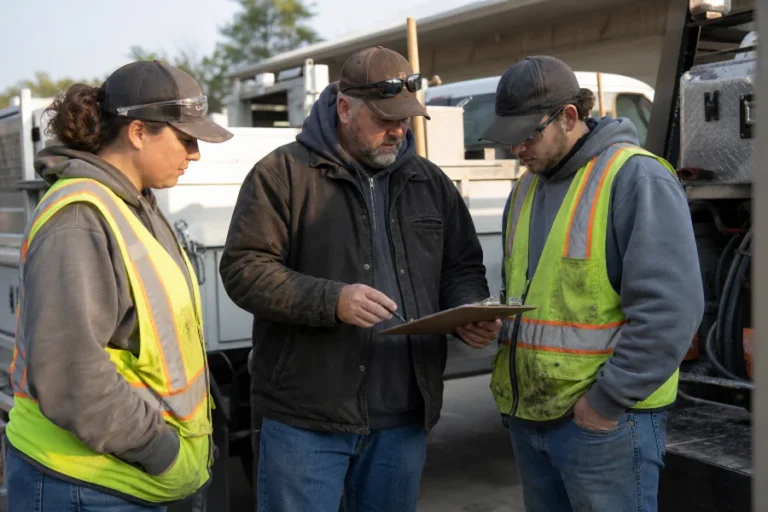
When facing a pest issue, the first step is to establish clear and open communication with your neighbors or landlord. This involves discussing the problem as soon as it is identified and sharing any relevant information that could help in addressing the issue. It is important to approach the conversation with a cooperative mindset, focusing on finding a solution rather than placing blame. By doing so, you can foster a sense of teamwork and mutual understanding, which is essential for effectively managing the situation. Additionally, documenting any pest sightings or related incidents can provide valuable information that can be shared with others, helping to build a comprehensive picture of the problem.
When dealing with infestations that cross property lines, localized strategies are usually required to handle regional variations. Choosing proactive methods helps protect local buildings and ensures a healthier living space for everyone nearby. Residents who need specialized help with these regional concerns can rely on dedicated pest control in Las Cruces to address common household risks before they spread throughout the neighborhood.
Understanding Roles and Responsibilities
In any pest control situation, it is crucial to understand the roles and responsibilities of each party involved. Landlords typically have a legal obligation to maintain a habitable living environment, which includes addressing pest issues. Tenants, on the other hand, are responsible for maintaining cleanliness and reporting any pest sightings promptly. Neighbors can also play a role by ensuring that their living spaces do not contribute to the problem. By clearly defining these roles, all parties can work together more effectively. In some cases, professional pest control services may be required, and it is important to discuss who will bear the cost and how the process will be managed. Pest Control Overland Park services can be a valuable resource in such situations, providing expert assistance in eliminating pests.
Coordinating Pest Control Efforts
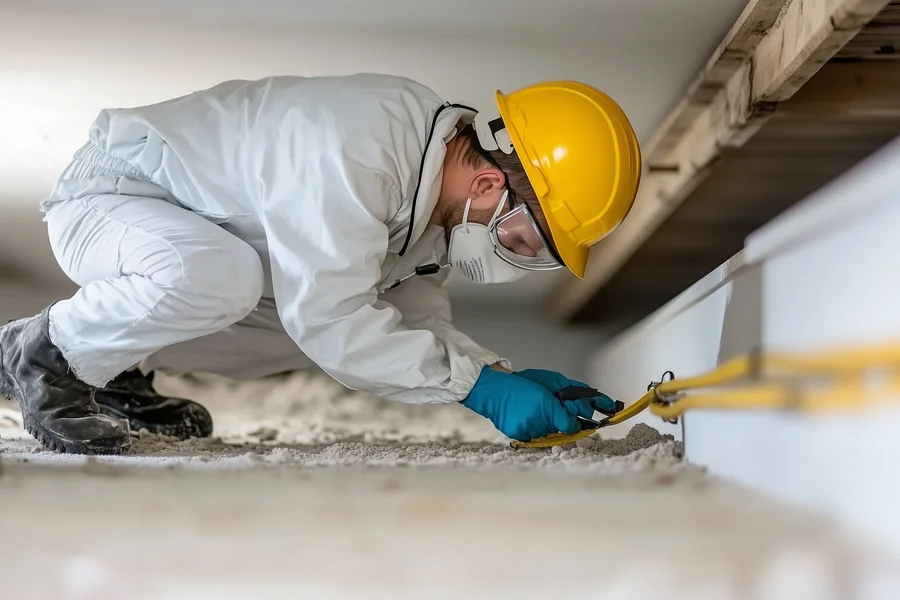
Once communication has been established and roles are understood, the next step is to coordinate pest control efforts. This involves deciding on the best course of action and ensuring that everyone is on board with the plan. It may be necessary to schedule inspections or treatments at times that are convenient for all parties involved. Additionally, it is important to follow any guidelines or recommendations provided by pest control professionals to ensure the effectiveness of the treatment. Cooperation is key, as any lapses in coordination can lead to recurring issues. By working together, neighbors and landlords can create a unified front against pests, increasing the likelihood of a successful outcome.
Addressing Concerns and Misunderstandings
During the process of dealing with a pest issue, concerns or misunderstandings may arise. It is important to address these promptly to prevent them from escalating. Open dialogue is essential, and all parties should feel comfortable expressing their concerns. If disagreements occur, it may be helpful to involve a neutral third party, such as a property manager or mediator, to facilitate the discussion. By maintaining a respectful and solution-oriented approach, conflicts can be resolved more easily. Ensuring that everyone is informed and involved in the decision-making process can also help to prevent misunderstandings and foster a sense of community.
Maintaining a Pest-Free Environment
After the pest issue has been addressed, it is important to take steps to maintain a pest-free environment. This involves regular cleaning and maintenance, as well as ongoing communication with neighbors and landlords. By staying vigilant and proactive, future infestations can be prevented. It may also be beneficial to establish a routine for inspections or treatments, ensuring that any potential issues are identified and addressed early. Building a strong relationship with neighbors and landlords can also contribute to a more harmonious living environment, where everyone is committed to maintaining a clean and healthy space.
Conclusion
Working with neighbors or landlords during a pest issue requires effective communication, understanding of roles, and coordinated efforts. By approaching the situation with a cooperative mindset and focusing on finding solutions, all parties can work together to eliminate pests and maintain a healthy living environment. Addressing concerns promptly and maintaining open dialogue can prevent misunderstandings and foster a sense of community. Once the issue is resolved, ongoing vigilance and proactive measures are essential to prevent future infestations. By following these guidelines, you can ensure a successful resolution to any pest issue, creating a more comfortable and harmonious living space for everyone involved.