How to Prepare Your Yard for Severe Storms in Birmingham AL
Key Takeaways
- Inspect trees, branches, fences, drains, and outdoor structures before storm season.
- Secure furniture, tools, toys, decorations, and other loose items.
- Keep gutters, downspouts, and yard drainage areas clear.
- Never attempt tree work near power lines or unstable large branches.
- Move indoors and prioritize personal safety once warnings are issued.
- Document damage safely after the storm before beginning cleanup.
In Birmingham, AL, a calm afternoon can turn quickly into heavy rain, damaging wind, hail, or a tornado threat. Preparing your yard before storm season helps reduce avoidable damage to your home, vehicles, trees, and outdoor living areas. For help assessing mature trees, drainage concerns, or storm-related yard risks, homeowners can contact Greener Grounds Lawn & Tree in Birmingham AL, 5521 Crestwood Blvd, Birmingham, AL 35212, (205) 898-4449.
From Crestwood and Avondale to Hoover, Homewood, and neighborhoods along the slopes and wooded lots of Jefferson County, local properties often have large established trees, uneven ground, and drainage paths that deserve attention before severe weather arrives. A few practical steps taken early can make a major difference when conditions deteriorate. Preparing before a storm watch is issued also gives homeowners time to make careful decisions rather than rushing outside while winds are already increasing.
Why Storm Preparation Matters for Birmingham Yards
Central Alabama experiences severe weather in more than one part of the year, and Birmingham homeowners may face strong thunderstorms, saturated soil, flash flooding, and tornado-producing conditions. Wind can turn a loose patio chair into a projectile, while prolonged rainfall can weaken already stressed tree roots, wash mulch into drains, and expose low spots that direct water toward a foundation.
Preparation is not only about preventing visible damage. It can also help preserve access around the property, reduce slipping hazards on wet walkways, and make it easier to identify new damage after a storm passes. Homes with wooded backyards, older fences, retaining walls, steep driveways, or low basement entries may need especially close attention because water and falling debris can create problems quickly.
Start With a Full Yard Walkthrough
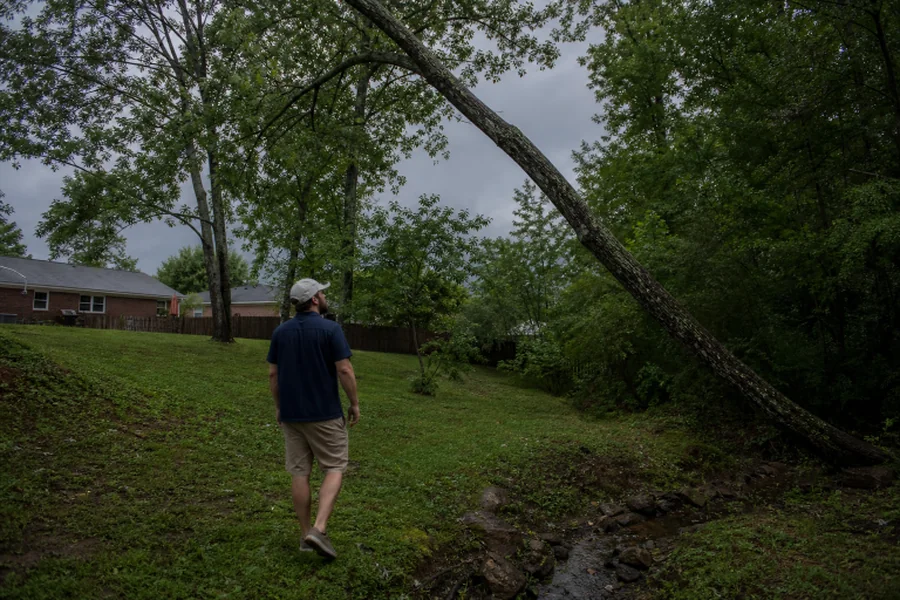
Walk around the property from the street, driveway, side yard, and backyard. Look upward as well as downward. Note dead limbs, leaning trees, loose fence panels, damaged sheds, clogged drainage channels, and areas where water typically pools after rain. Take photos of concerns so you can compare changes over time or share clear information with a qualified professional.
It can help to perform this walkthrough after a normal rainfall as well as on a dry day. That makes it easier to see where runoff travels, whether downspouts overflow, and which sections of the lawn stay soft or muddy. Check gates, latches, exterior lighting, mailbox posts, and any landscape edging that could become loose in strong winds. Make a short priority list and address the most immediate hazards first.
Tree-related questions can become especially stressful when a boundary line is involved. If you are unsure what to do after a neighbor tree falls on your property, begin by staying away from the damaged area, documenting what you can safely see, and addressing any immediate utility or structural hazards first.
Check Trees Before the Weather Turns
Many Birmingham properties have hardwoods and pines that provide valuable shade but can create risk when decay, old storm damage, or root problems go unnoticed. Inspect trees from the ground and watch for these warning signs:
- Dead, broken, hanging, or leafless limbs during the growing season.
- Deep cracks, cavities, peeling bark, or splits in the trunk.
- Mushrooms or visible decay around the base of the tree.
- Exposed roots, lifting soil, or a newly noticeable lean.
- Branches rubbing against a roof, chimney, fence, or structure.
- Large limbs extending above parking spaces, walkways, or play areas.
Pay particular attention to changes that seem recent. A tree that has suddenly begun leaning, soil that is heaving around the root zone, or a limb that has cracked after previous wind damage may need prompt evaluation. Keep in mind that healthy-looking leaves do not necessarily mean a tree is structurally sound; internal decay and root damage may not be obvious from a distance.
A large tree that is damaged, leaning, close to a house, or near utility equipment is not a do-it-yourself project. Do not climb it, use a ladder beside it, or attempt to cut a loaded branch. The National Weather Service reminds Central Alabama residents that severe weather can occur throughout the year, so a routine property check should not be limited to spring alone. Review local severe weather preparedness guidance from NWS Birmingham before the next active weather period.
Trim Carefully and Avoid Risky DIY Work
Homeowners can usually handle light pruning of small, reachable branches with proper hand tools. However, storm preparation should never become a rushed attempt to remove a large limb. Avoid topping trees, which can create weak new growth and structural problems later. Keep people and pets away from the work area, use stable footing, and stop immediately if a branch is cracked, under tension, or beyond safe reach.
For small pruning tasks, use clean, sharp tools and remove only what can be reached comfortably from the ground. Avoid pruning during high winds, rain, or when the ground is slick. If a branch is hanging above a roof, vehicle, sidewalk, or play area, treat it as a potential hazard instead of trying to pull it down with rope or equipment.
Never Work Near Power Lines
Branches touching or approaching overhead lines require trained utility or tree-care assistance. Lines may still be energized even if they appear inactive, and a falling limb can bring wires down unexpectedly. Keep a safe distance and report damaged lines promptly.
Secure Loose Outdoor Items
Before a forecasted high-wind event, store items in a garage, shed, or other secure location whenever possible. If an item cannot be stored, anchor it according to its manufacturer’s instructions. Check:
- Patio furniture, umbrellas, grills, and fire pits.
- Trash and recycling bins.
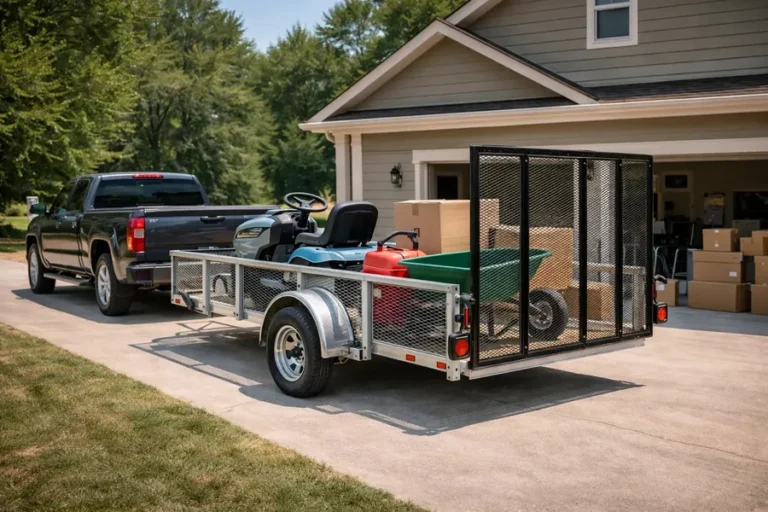
- Garden tools, hoses, ladders, wheelbarrows, and pots.
- Children’s toys, sports equipment, and trampolines.
- Hanging baskets, yard decorations, signs, and loose boards.
Close and latch shed doors, gates, and storage boxes so they cannot swing open. If possible, remove umbrella canopies entirely instead of simply closing them. Check that grill covers are secured and that propane equipment is handled according to the manufacturer’s safety instructions. A quick sweep of the patio and driveway can prevent small items from becoming dangerous airborne debris.
Clear Drainage Paths Before Heavy Rain
Rainwater needs a clear route away from your home. Remove leaves, grass clippings, and mulch from curbside drains, driveway channels, and low-flow areas. Clean gutters and confirm downspouts discharge away from the foundation. Do not pile fresh mulch or soil against siding, vents, or door thresholds. In Birmingham’s rolling terrain, even a small blocked channel can send runoff toward a garage, basement entrance, or walkway.
Inspect splash blocks, extensions, and buried drain outlets for blockages or separation. Keep drainage swales free of brush piles, lawn waste, and stored materials that could redirect water. If runoff repeatedly collects near the foundation, take note of the location and timing so a drainage professional can better assess the issue. Never enter a ditch, culvert, or drainage area during heavy rain or flash flooding.
Use This Storm-Ready Yard Checklist
- ☐ Inspect trees and visible major branches.
- ☐ Secure furniture, bins, tools, toys, and decorations.
- ☐ Clear gutters, drains, and walkways.
- ☐ Move vehicles away from questionable trees when possible.
- ☐ Bring pets indoors and close shed or gate latches.
- ☐ Charge phones and review weather alerts.
- ☐ Confirm flashlights, emergency contacts, and supplies are ready.
Consider keeping this checklist on a phone or near an exterior door during active weather months. Completing it when a storm is still several hours away is safer and more effective than waiting until the first gusts or lightning arrive. If time is limited, focus first on people, vehicles, loose objects, drainage near the home, and any tree concerns that could affect an occupied area.
What to Do When a Storm Warning Is Issued
Once lightning, damaging winds, or a tornado warning is imminent, stop yard work. Go indoors, stay away from windows, and monitor trusted local alerts. Do not stand outside to watch trees sway or check rising water. Never drive through flooded streets, and follow emergency instructions if local officials issue them.
Do not attempt to reposition patio furniture, clear a drain, or move a vehicle once conditions have become dangerous. Those tasks can wait until authorities indicate it is safe. Make sure family members know where to shelter and bring pets inside before the storm arrives whenever possible.
Inspect the Yard Safely After the Storm
Wait until conditions are safe before stepping outside. Look for downed wires, hanging limbs, split trunks, unstable fences, standing water, broken irrigation lines, and exposed roots. Take photos from a safe location before moving debris. Keep children and pets away from damaged trees and puddled areas, especially where electrical equipment may be involved.
Wear sturdy shoes, gloves, and protective eyewear for minor cleanup, but avoid using chainsaws or ladders around storm-damaged trees. Photograph damage to fences, roofs, vehicles, landscaping, and exterior structures before making major repairs, especially if insurance documentation may be needed. Separate light, manageable debris from anything heavy, twisted, elevated, or close to utility lines.
When to Call for Professional Help
Seek qualified assistance when a tree has fallen on a structure or vehicle, a large limb is suspended over a roof or driveway, the trunk is split or uprooted, or debris is too heavy to manage safely. Prompt professional evaluation can help Birmingham homeowners make informed decisions while protecting people, property, and nearby utility lines.
Professional help may also be appropriate when repeated standing water affects a lawn, driveway, foundation area, or retaining wall. Early assessment can help identify whether the problem is related to grading, gutters, root disturbance, damaged drainage components, or a combination of conditions. Addressing the underlying issue is often safer and more effective than repeatedly cleaning up after each storm.
Conclusion
Storm-ready yards are built through routine attention, not last-minute panic. By checking trees, clearing drainage routes, securing loose items, and knowing when to stop and seek help, Birmingham homeowners can reduce outdoor hazards before severe weather arrives. Start early, keep safety first, and make storm preparation part of regular yard care.
Location: Greener Grounds Lawn & Tree | 5521 Crestwood Blvd, Birmingham, AL 35212 | (205) 898-4449 | https://greenergroundslawncare.com/