How to Maintain Your Home Throughout the Year
Home maintenance may include inspections, cleaning, fixing and protection of different parts of the house throughout the year. Maintenance ensures that there are no costly repair works, makes the house energy-efficient, extends the lifespan of the home systems and keeps the house safe and comfortable to live in. By performing some seasonal activities, you can ensure that no problem will arise for you and your family, such as cleaning of gutters, maintaining the HVAC system, roof and plumbing inspection. It is easy to keep your house beautiful throughout the year through a maintenance plan.
Why Year-Round Home Maintenance Matters
One of the largest investments most individuals will make will be related to a home. It’s like with any investment, it takes regular maintenance to keep it in good condition. A lot of times, it is better to wait until it breaks, because the repair expenses are more and it is more stressful.
Regular Maintenance has several advantages:
- Prevents expensive repairs
- Helps keep your family safe
- Delays the need for replacement of appliances and building materials
- Reduces energy bills
- Maintains property value
- Improves the air quality in the home.Adds to the home’s air quality.
Even if you have to do small jobs in time, you will save hundreds or even thousands of dollars for future repairs. Break maintenance tasks down into seasonal tasks that would naturally occur during the year rather than all in one.
Spring Home Maintenance Checklist
Spring is the perfect time to inspect your home after winter. Cold weather, rain, and snow can leave behind damage that should be addressed before summer arrives.
Inspect Your Roof
Look for missing shingles, cracked flashing, or signs of leaks. If you notice damage, arrange repairs before spring storms become stronger.
Clean Gutters and Downspouts
Leaves and debris block water flow. Overflowing gutters can damage your roof, walls, and foundation.
Check that water flows several feet away from your home’s foundation.
Inspect Windows and Doors
Look for:
- Broken weather stripping
- Damaged caulk
- Drafts around frames
Replacing worn seals improves energy efficiency and keeps moisture out.
Check the Exterior
Walk around your home and inspect:
- Siding
- Brickwork
- Foundation cracks
- Paint
- Decks and fences
Repair small cracks before they become larger structural problems.
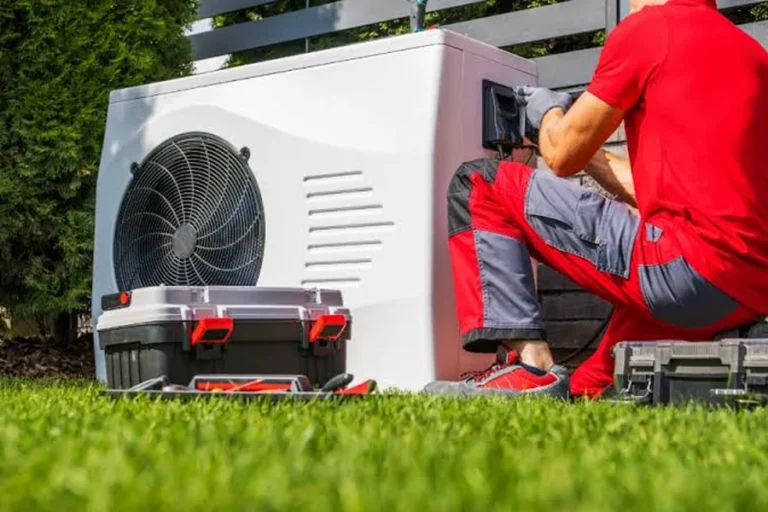
Service Your Air Conditioner
Before hot weather begins:
- Replace air filters
- Clean vents
- Schedule professional HVAC maintenance
- Remove debris around outdoor units
A clean cooling system uses less energy and lasts longer.
Summer Maintenance Tasks for a Healthy Home
Summer provides longer days and better weather for outdoor projects.
Pressure Wash Outdoor Surfaces
Clean:
- Driveways
- Walkways
- Patios
- Decks
- Exterior walls
Removing dirt and mold keeps surfaces looking good and reduces long-term wear.
Inspect Plumbing
Check outdoor faucets and irrigation systems for leaks.
Inside the home, inspect sinks, toilets, and exposed pipes for slow leaks that may waste water.
Test Safety Devices
Replace batteries if needed and test:
- Smoke detectors
- Carbon monoxide detectors
- Home security systems
Safety equipment should always be working properly.
Maintain Landscaping
Trim trees and bushes away from:
- Rooflines
- Windows
- Electrical lines
Healthy landscaping reduces pest problems and protects your home’s exterior.
Check Attic Ventilation
A poorly ventilated attic traps heat, increasing cooling costs and shortening roof life.
Ensure vents remain clear and insulation stays dry.
Fall Preparation Before Cold Weather Arrives
Autumn is the time to prepare your home for colder temperatures.
Clean Heating Systems
Before using your furnace:
- Replace filters
- Clean vents
- Schedule professional servicing
An efficient heating system keeps your home comfortable while lowering energy costs.
Seal Air Leaks
Cold air enters through small gaps around:
- Doors
- Windows
- Utility openings
Apply weather stripping or caulk where necessary.
Inspect Chimneys
If you use a fireplace, have the chimney cleaned and inspected before winter.
A clean chimney reduces fire hazards and improves airflow.
Drain Outdoor Water Lines
Disconnect garden hoses and drain outdoor faucets where required.
Frozen water can burst pipes during winter.
Remove Fallen Leaves
Leaves trap moisture against roofs and lawns. Clean them regularly to prevent mold and drainage problems.
Winter Maintenance Tips to Protect Your Home
It can be a difficult winter at any home. Preventing emergency repairs, by staying ahead of seasonal issues.
Monitor Indoor Humidity
Dry air can cause damage to wood furniture and floors.
Mold will grow if there is excess humidity.
Most homes would benefit from a humidity between 30% and 50%.
Prevent Frozen Pipes
During freezing weather:
- Maintain stable indoor temperature.
- Leave sinks open on cold nights.
Run a trickle from any exposed faucets during freezing temperatures.
Inspect for Ice Dams
Ice dams can form around the edges of the roof if there is a buildup of snow or if the attic is not properly insulated.
Be alert to large accumulations of ice and safely clear snow when necessary.
Check Emergency Supplies
Be prepared for winter storms:
- Flashlights
- Batteries
- First-aid kit
- Drinking water
- Portable phone chargers
Unexpected outages are less stressful if you are prepared.
Watch for Water Leaks
Leaks in the roof can be caused by snow and ice.
Check attics and ceilings for moisture after major storms.
Monthly Home Maintenance Habits That Make a Difference
Some tasks should be completed every month instead of waiting for a particular season.
Replace or Clean HVAC Filters
Dirty filters reduce airflow and force heating or cooling systems to work harder.
Many filters should be replaced every one to three months depending on usage.
Inspect Plumbing
Check under sinks and around appliances for signs of moisture.
Early leak detection helps prevent water damage.
Clean Kitchen Appliances
Regularly clean:
- Refrigerator coils
- Oven interiors
- Microwave
- Dishwasher filter
- Range hood filters
Clean appliances perform better and often last longer.
Test Electrical Safety
Look for:
- Loose outlets
- Damaged cords
- Flickering lights
Call an electrician if electrical issues continue.
Deep Clean High-Traffic Areas
Monthly cleaning prevents dirt buildup on:
- Floors
- Carpets
- Bathrooms
- Kitchen surfaces
Keeping these spaces clean improves indoor air quality and reduces wear.
Review Your Home Maintenance Budget
Set aside money each month for future repairs.
Planning ahead makes major repairs easier to manage when they eventually become necessary.
Final Thought
Home maintenance during the entire year doesn’t have to be a hassle. Organizing your activities on a seasonal or monthly basis can significantly ease your home maintenance routine. Regular home inspections, prompt repairs and proper maintenance will serve as protection of your valuable asset and security for your family.
It all comes down to consistency. Doing little things right today may prevent bigger problems tomorrow. Regardless of whether you are dealing with a new or an old house, by adhering to a simple yearly maintenance schedule, you will be saving yourself time and money in the long run.