Planning a Deck That Fits Your Home
Start With the Way You Want to Use It
A deck can add valuable living space to a home, but the best design depends on what homeowners actually want to do there.
Some people imagine a quiet place for morning coffee, while others want enough room for family dinners, summer barbecues, or larger gatherings. The intended use should guide decisions about size, layout, materials, seating, and access to the house.
For homeowners planning a new outdoor space, working with a Columbus deck builder can also help account for factors such as the property’s existing layout, local conditions, materials, and building requirements. From there, the goal should be creating a deck that feels like it belongs with the home rather than simply adding as much outdoor space as possible.
Choose the Right Size
One of the first decisions is how large the deck should be.
It can be tempting to assume that bigger is always better, but an oversized deck can overwhelm a smaller backyard or leave less room for landscaping and other outdoor activities.
Think about the furniture and features that will actually be used. A dining table needs enough space for chairs to move comfortably. A grill needs a practical location that does not interfere with seating or walkways. Larger decks may also benefit from separate zones for dining and relaxing.
Planning around real furniture dimensions instead of an empty space can provide a much better idea of how large the deck needs to be.
Make the Deck Feel Connected to the House
A good deck should feel like an extension of the home.
Its shape, materials, railing, and proportions can all influence how naturally it connects with the existing architecture. The location of doors and windows matters too, particularly when the deck will become one of the main ways people move between indoor and outdoor spaces.
Color does not necessarily need to match the house exactly, but the overall design should complement it.
The view from inside deserves consideration as well. Because homeowners may see the deck through kitchen, dining, or living room windows every day, the structure becomes part of the home’s visual environment even when nobody is outside.
Think About Materials Beyond Appearance
Decking material has a major impact on appearance, maintenance, and long-term use.
Wood remains popular because of its natural character, while composite materials appeal to homeowners looking for different maintenance requirements and design options. The right choice depends on budget, personal preference, local conditions, and how much maintenance someone is comfortable handling.
Instead of choosing based only on the way a sample looks, homeowners should compare:
- Initial cost and expected lifespan
- Cleaning and maintenance requirements
- Resistance to weather and everyday wear
- How the material complements the house
- How it may look after several years
Outdoor materials experience constant exposure to the elements, so long-term performance deserves just as much attention as appearance.
Pay Attention to Sun and Shade
Where the sun falls throughout the day can completely change how comfortable a deck feels.
An area that seems perfect in the morning may receive intense direct sunlight during the afternoon. Before finalizing the layout, it is worth observing the backyard at different times of day.
Shade can then become part of the design if necessary.
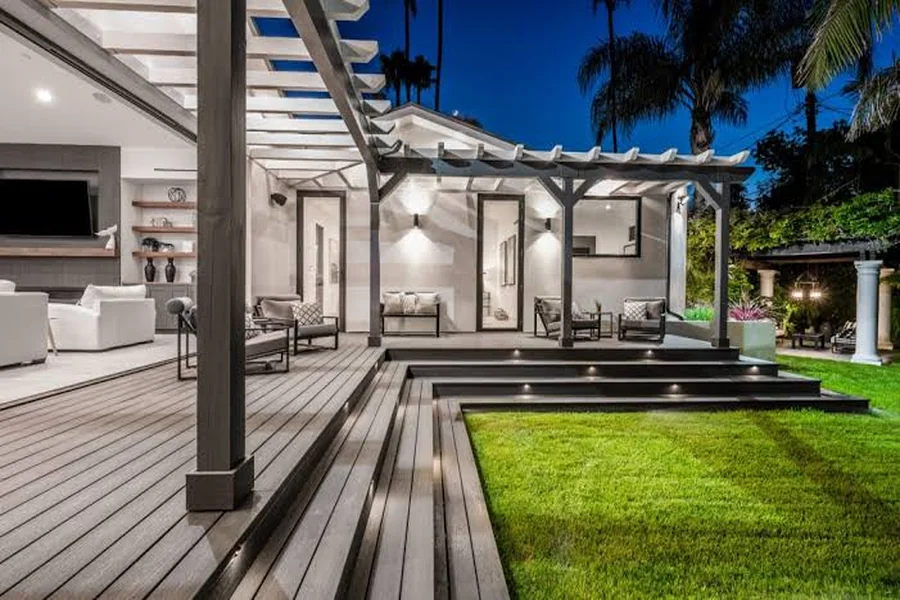
Pergolas, umbrellas, covered areas, and carefully positioned landscaping can provide relief during warmer months. Some homeowners may prefer a combination of covered and uncovered areas so the deck can be used in different weather conditions.
Planning for these conditions early is easier than trying to solve them after construction is finished.
Plan the Space Around Movement
Furniture is only part of a deck layout. People also need room to move.
The path from the house to the yard should feel natural, especially if family members frequently carry food, drinks, or other items between the kitchen and outdoor areas.
Stairs should be positioned where they make sense for the yard rather than simply wherever they fit most easily. The same applies to gates, grilling areas, and seating zones.
A thoughtful layout can make even a relatively modest deck feel comfortable, while poor circulation can make a much larger space feel awkward.
Research Before Construction Begins
A deck involves more decisions than simply choosing its size and color.
Homeowners may need to consider materials, design, permits, structural requirements, safety, budget, and how the project will affect the rest of the property.
This makes the research stage particularly important.
Those who are still comparing remodeling options or looking for professional help can also explore HireARemodeler.com as a resource during the early planning process.
Taking the time to understand priorities before construction begins can make later decisions easier and help keep the project focused.
Build for Your Home, Not Someone Else’s
Design inspiration is useful, but a deck that looks perfect on another property may not be right for yours.
Every home has a different backyard, architecture, orientation, budget, and household routine.
A successful deck takes those differences into account. It provides enough room for the activities that matter, works with the existing property, uses appropriate materials, and remains manageable to maintain.
The result does not need to be the biggest or most elaborate outdoor space. It simply needs to feel like it was planned for the home it belongs to.