
How Modern Microneedling Facials Support Healthier-Looking Skin
Microneedling has become a popular option for people who want to improve their skin without undergoing major cosmetic procedures. The treatment uses very fine needles to create controlled micro-injuries on the surface of the skin. This process encourages the body’s natural healing response and can support the production of collagen and elastin. As the skin repairs itself, it may become smoother, firmer, and more even in appearance. For those interested in this type of treatment, you can find out more about microneedling facials in Singapore and learn how a professional approach can be tailored to different skin concerns.
What Is a Microneedling Facial?
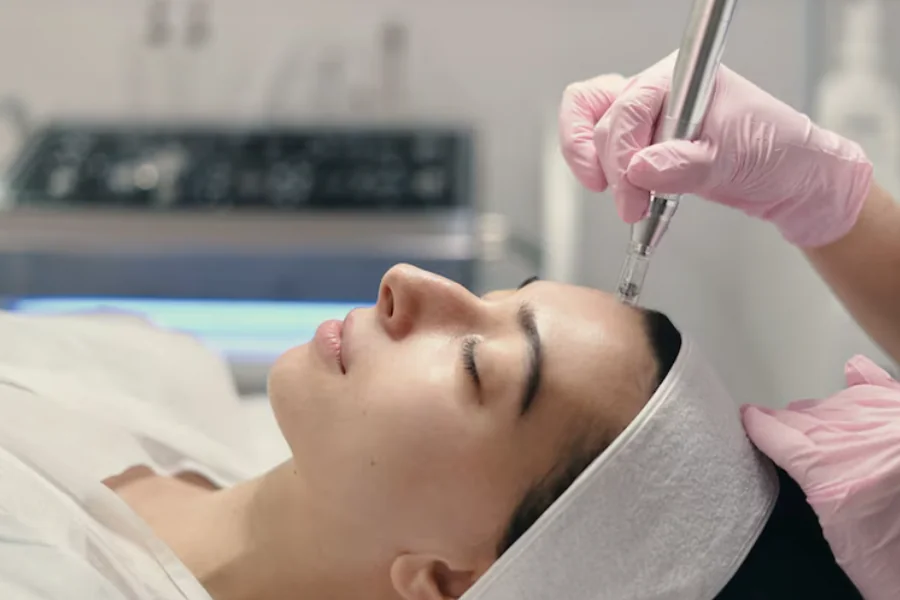
A microneedling facial is a minimally invasive skincare treatment that uses a specialised device fitted with small needles. These needles move across the skin and create tiny punctures at a controlled depth. The process is designed to stimulate the body’s natural repair process without removing large areas of the skin.
Microneedling is also known as collagen induction therapy because one of its main purposes is to encourage collagen production. Collagen provides structure and strength to the skin, while elastin helps it remain flexible. As people age, the natural production of these proteins decreases, which can contribute to fine lines, loss of firmness, and changes in skin texture.
By stimulating the skin in a controlled way, microneedling may help improve some of these concerns over time. Results are gradual because the skin needs time to repair itself and produce new collagen.
How Microneedling Works on the Skin
The science behind microneedling is based on controlled injury. The tiny channels created by the needles signal the body to begin its normal healing process. Blood flow and cellular activity increase around the treated area, while the skin begins producing new collagen and other structural components.
The treatment does not simply remove the outer layer of the skin. Instead, it works by encouraging the skin to improve itself from within. This makes microneedling different from treatments that rely mainly on exfoliation.
The depth of the needles can also be adjusted according to the treatment area and the person’s skin concerns. A professional may use a shallower setting for certain areas and a deeper setting when addressing concerns such as some types of acne scarring. The treatment should always be customised according to the individual’s skin.
Skin Concerns Microneedling Can Address
Microneedling can be used for several common skin concerns. One of the most recognised uses is improving the appearance of acne scars. By stimulating collagen production, the treatment may help make certain depressed scars look less noticeable over time.
It can also be used to improve uneven skin texture. Rough or irregular areas may gradually appear smoother as the skin undergoes the repair process. Some people also seek microneedling to reduce the appearance of fine lines and improve overall firmness.
Enlarged-looking pores are another concern that may improve with better skin texture and collagen support. Microneedling does not permanently remove pores, but changes in the surrounding skin structure may make them appear less noticeable.
The treatment can also contribute to a more even-looking complexion. However, pigmentation concerns can vary significantly, so a professional assessment is important before choosing microneedling specifically for this purpose.
What Happens During a Treatment Session?
A microneedling facial normally begins with a consultation. The skincare professional examines the skin and discusses the individual’s concerns and treatment goals. This is an important step because not every person or skin condition is suitable for microneedling.
Before treatment begins, the skin is cleaned thoroughly. A topical numbing cream may be applied to make the procedure more comfortable, especially when a deeper treatment is planned.
The microneedling device is then moved carefully across the selected areas. Patients may experience a mild prickling or vibrating sensation during the procedure. Some parts of the face may feel more sensitive than others.
The length of a session can vary depending on the area being treated and the treatment plan. Once the procedure is finished, the skin may appear red and feel warm or sensitive. These effects are usually temporary and often resemble a mild sunburn.
The Importance of Modern Microneedling Devices
Technology has changed how microneedling is performed. Early versions of the treatment commonly involved manual rollers, while many modern clinics now use automated pen-style devices.
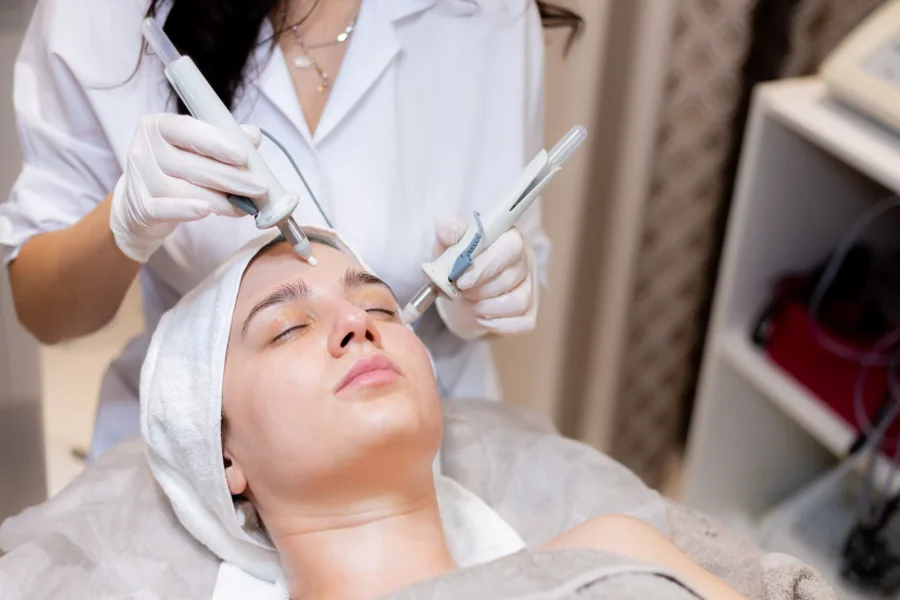
Automated devices allow practitioners to control needle movement, depth, and speed more precisely. This can make it easier to adjust the treatment for different areas of the face. It can also help the practitioner work carefully around areas with different skin thicknesses.
However, advanced equipment does not remove the need for professional skill. The safety and effectiveness of a treatment depend on the device, its settings, hygiene practices, and the experience of the person performing the procedure.
Benefits of a Customised Approach
Everyone’s skin is different, so using the same microneedling treatment for every person may not produce the best approach. A customised treatment considers factors such as skin type, texture, sensitivity, the severity of specific concerns, and the desired outcome.
The needle depth can be adjusted based on the area being treated. The professional may also change the treatment intensity or recommend an appropriate number of sessions according to how the skin responds.
A customised approach is particularly useful when a person has more than one concern. For example, someone may want to address acne scars while also improving overall skin texture and fine lines. A professional can determine how these concerns should be approached within a suitable treatment plan.
Microneedling and Skincare Products
Microneedling creates temporary microchannels in the skin, which can affect how topical products interact with the treated area. However, this does not mean that every skincare product should be applied immediately after treatment.
Freshly treated skin can be sensitive, and certain ingredients may irritate. Products containing strong acids, retinoids, fragrances, or other active ingredients may need to be avoided for a period after the procedure.
A professional can recommend suitable products for the recovery period. Hydrating and soothing products are often preferred while the skin is settling down. Patients should follow their provider’s specific instructions rather than applying unfamiliar products to recently treated skin.
Comparing Microneedling With Other Treatments
There are many cosmetic treatments available for people who want to improve their skin. Chemical peels use chemical solutions to exfoliate selected layers of the skin, while some laser treatments use light or heat to target specific concerns.
Microneedling works differently by using controlled mechanical stimulation. This makes it an option for people who want to encourage collagen production without relying on chemical exfoliation or laser energy.
However, one treatment is not automatically better than another. The appropriate option depends on the individual’s skin, concerns, medical history, and treatment goals. In some cases, different procedures may be used as part of a broader skincare plan, but this should be determined by a qualified professional.
Possible Side Effects and Safety
Microneedling is minimally invasive, but it is still a procedure that can cause temporary side effects. Redness, mild swelling, dryness, sensitivity, and peeling may occur after treatment.
The risk of complications can be reduced when the procedure is performed by a properly trained professional using appropriate sterile equipment. Poor hygiene or incorrect technique can increase the risk of infection, irritation, scarring, or unwanted pigmentation changes.
People with active skin infections, open wounds, certain inflammatory skin conditions, or other medical concerns may not be suitable candidates at the time of treatment. Anyone with a relevant health condition or who takes medication that could affect healing should discuss this with a healthcare professional before undergoing microneedling.
Why Several Sessions May Be Needed
Although some people notice an improvement after their first treatment, microneedling generally works gradually. Collagen production and skin remodelling take time, which is why a series of treatments may be recommended.
The number of sessions varies according to the person’s skin concerns and desired results. Someone seeking general skin rejuvenation may have different requirements from someone treating more noticeable acne scars.
Treatments also need to be spaced appropriately to give the skin enough time to recover. Following the recommended schedule can help support the skin’s natural healing process without placing unnecessary stress on it.
Taking Care of Your Skin After Microneedling
After a microneedling facial, gentle skincare is important. The skin should be kept clean and protected while it recovers. Patients should avoid picking, scratching, or rubbing the treated area, as doing so can cause additional irritation.
Sun protection is also an important part of aftercare. Recently treated skin can be more sensitive to sunlight, and excessive exposure may increase the chance of pigmentation changes. Using suitable sunscreen and limiting direct sun exposure can help protect the recovering skin.
Patients should also follow any specific instructions provided by their skincare professional. Recovery can differ depending on the treatment depth and individual skin response.
Is Microneedling Right for You?
Microneedling can be a useful treatment for people who want to improve skin texture, reduce the appearance of certain scars, support collagen production, and achieve a smoother-looking complexion. Its minimally invasive nature and relatively short recovery period have contributed to its growing popularity.
However, realistic expectations are important. Microneedling does not completely remove every skin concern, and results can vary between individuals. It may also require several sessions to achieve noticeable improvement.
The best way to determine whether the treatment is appropriate is to have the skin assessed by a qualified professional. With the right treatment settings, proper hygiene, personalised planning, and suitable aftercare, microneedling can be a practical addition to a skincare routine for those looking to improve the overall appearance and condition of their skin.