Dental Implants: Types, Costs, Recovery, and What to Expect
Key Takeaways
- Dental implants can replace a single missing tooth, several teeth, or an entire arch.
- The most appropriate option depends on bone levels, gum health, medical history, bite, goals, and budget.
- A complete estimate may include imaging, extractions, grafting, surgery, temporary teeth, and the final restoration.
- Some patients may qualify for temporary teeth on the day of surgery, but final teeth often require additional healing time.
- Long-term implant success depends on professional follow-up and consistent home care.
What Are Dental Implants?
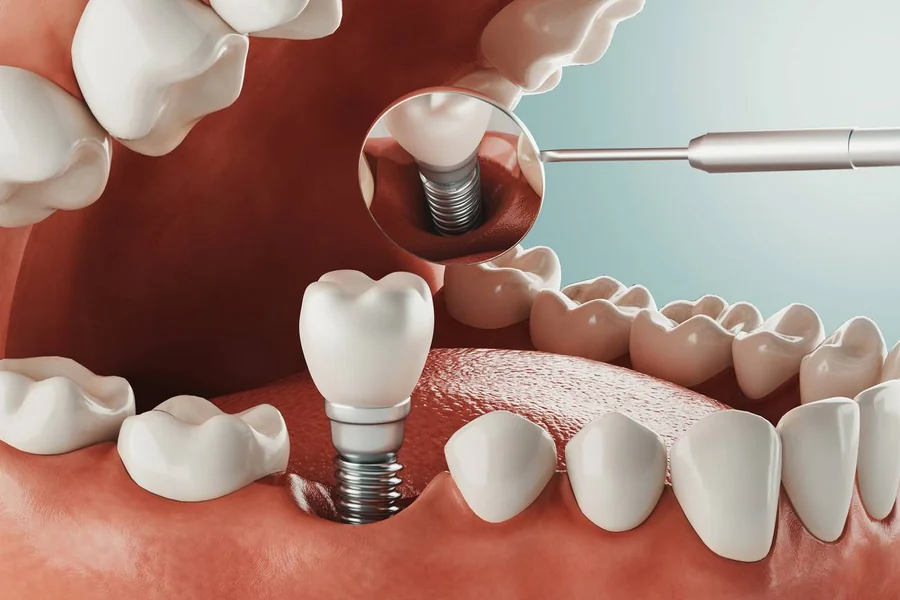
Dental implants are artificial tooth roots placed in the jawbone to support a crown, bridge, or denture. People considering treatment can speak with dental implant specialists in Sacramento to determine whether an implant-based solution fits their oral health needs, timeline, and desired results. An implant restoration usually has three parts: the implant post placed beneath the gums, an abutment that connects the post to the replacement tooth, and the visible crown, bridge, or denture. Unlike a traditional bridge, a single implant can often replace a missing tooth without reshaping the healthy teeth adjacent to the gap.
How Implants Restore Function
After placement, the surrounding bone heals around the implant in a process called osseointegration. This creates a stable foundation for chewing and speaking. The American Dental Association explains that implants may support a customized crown for one missing tooth or a bridge or denture when multiple teeth are missing, depending on the individual treatment plan.
The Main Types Of Dental Implants
Implants are not a one-size-fits-all treatment. The number and location of missing teeth, the quality of the jawbone, and whether a restoration needs to be removable all influence the recommendation.
- Single-tooth implants: One implant post supports one custom crown. This is often considered when a single tooth, such as a molar, is missing.
- Implant-supported bridges: Two or more implants may support a bridge that replaces several neighboring teeth without placing an implant at every missing-tooth site.
- Implant-retained dentures: A removable denture attaches to implants for added stability and may be easier for some patients to clean outside the mouth.
- Fixed full-arch restorations: Several strategically placed implants support a full set of replacement teeth that only a dental professional can remove.
- Zygomatic implants: These specialized upper-jaw implants may be considered in select cases involving significant bone loss and typically require advanced planning.
The restoration material also matters. Crowns and bridges may be made with ceramic, zirconia, porcelain-fused materials, or other options selected for strength, appearance, bite forces, and available space.
Who May Be A Candidate?
Age alone does not determine whether someone can receive dental implants. A consultation focuses more on the health of the gums, the amount of supporting bone, the condition of nearby teeth, the bite, the medical history, and the ability to maintain daily oral hygiene.
- Healthy gums, or gums that can be treated before implant surgery
- Enough jawbone for support, or the ability to receive bone grafting when appropriate
- Medical conditions that are well-managed and compatible with healing
- Consistent brushing, cleaning between teeth, and routine dental visits
- A willingness to avoid tobacco and follow aftercare instructions
Diabetes, active gum disease, tobacco use, certain medications, teeth grinding, and prior radiation treatment can affect planning or healing. These factors do not automatically rule out treatment, but they may require additional evaluation, a modified timeline, or closer follow-up.
What The Treatment Process Looks Like
Every case is different, but implant treatment commonly follows a series of planned stages.
- Consultation: The dentist reviews missing teeth, symptoms, health history, goals, and possible alternatives.
- Imaging and examination: X-rays or 3D scans help evaluate bone, nerves, sinuses, and the position of surrounding teeth.
- Preparation: Damaged teeth may be removed, infections treated, or bone and gum procedures completed before placement.
- Implant surgery: The implant post is placed in the jawbone under local anesthesia, sedation, or another planned comfort option.
- Healing: The site needs time to heal and stabilize before the final restoration is attached.
- Final restoration: A custom crown, bridge, denture, or full-arch prosthesis is fitted and adjusted.
Some patients can receive a temporary tooth or a temporary full-arch restoration on the day of surgery. That option depends on implant stability, bite pressure, bone quality, and the ability to protect the surgical area during healing. It is not appropriate for every case.
What Affects Dental Implant Costs?
Comparing implant prices can be difficult because one estimate may cover only the surgical implant, while another includes all stages of treatment. A lower starting price does not necessarily represent the total cost of the completed restoration.
- The number of teeth being replaced
- The type of restoration, such as a crown, bridge, removable denture, or fixed full arch
- Whether extractions, bone grafts, sinus lifts, or gum treatment are needed
- Imaging, anesthesia, laboratory work, and temporary teeth
- The materials selected for the final prosthesis
- Case complexity, provider experience, and geographic location
- Insurance benefits, financing terms, and possible future maintenance costs
Ask for a written treatment plan that identifies what is included. Useful questions include whether the estimate covers consultations, scans, surgery, the abutment, final teeth, follow-up visits, adjustments, and replacement components, if needed later.
Recovery And Daily Care
It is common to experience tenderness, swelling, minor bruising, or temporary dietary changes after implant surgery. Recovery varies based on the number of implants, whether grafting or extractions were performed, and the person’s overall health.
Practical Recovery Checklist
- Use medications and cleaning products exactly as directed.
- Choose soft foods and avoid chewing directly on the surgical area when instructed.
- Use cold packs as recommended during the initial recovery period.
- Avoid smoking, vaping, and activities that could disturb healing tissue.
- Attend every follow-up visit so the bite, gums, and implant sites can be checked.
- Contact the dental office promptly for worsening pain, persistent bleeding, fever, or unusual swelling.
Once treatment is complete, implants still require daily care. The National Institute of Dental and Craniofacial Research recommends that adults brush with fluoride toothpaste and regularly clean between their teeth to control plaque and support gum health around natural teeth and restorations.
Questions To Ask Before Treatment
- Which implant restoration best matches my current dental condition?
- Will I need extractions, gum treatment, or bone grafting first?
- What does the estimate include and exclude?
- How long could the complete process take in my case?
- Will temporary teeth be provided during healing?
- What foods and activities should I avoid after surgery?
- Who handles adjustments, repairs, or complications after treatment?
- How should I clean around the implant restoration each day?
- What is the plan if an implant does not heal as expected?
Final Thoughts
Dental implants can be a durable way to replace missing teeth, but the best solution depends on a complete evaluation rather than a generic treatment promise. A clear plan should address oral health, treatment stages, healing time, total costs, home care, and realistic long-term expectations before treatment begins. Patients should also understand whether they need additional procedures, how many appointments may be involved, and what factors could affect healing. Discussing available alternatives can help ensure the chosen treatment fits both oral health needs and personal circumstances. Good communication with a qualified dental professional also makes it easier to understand potential risks, maintenance requirements, and expected results. Taking time to review these details before treatment can help patients make informed decisions and feel more prepared throughout the implant process.