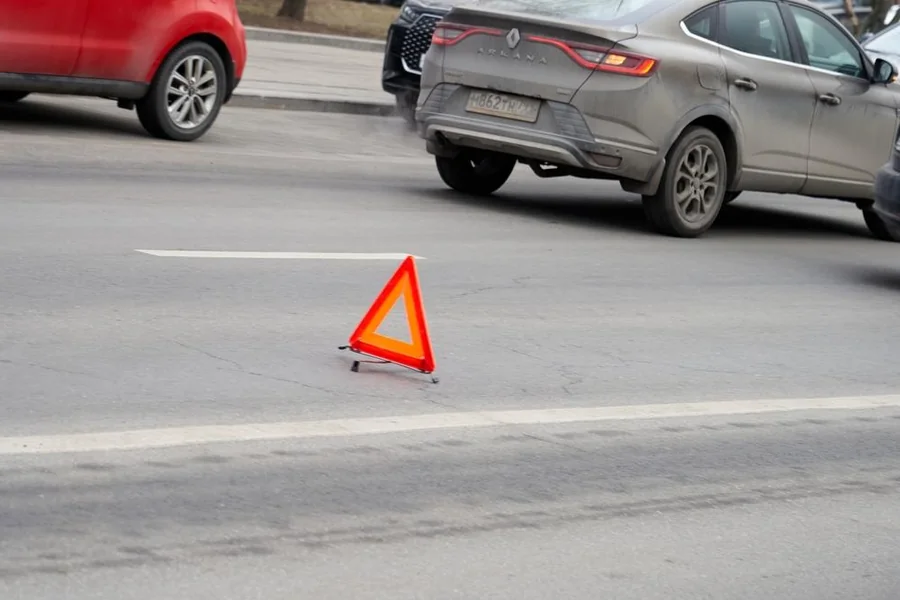
What Happens When Multiple Drivers Share Fault in a Car Crash in Milwaukee, WI?
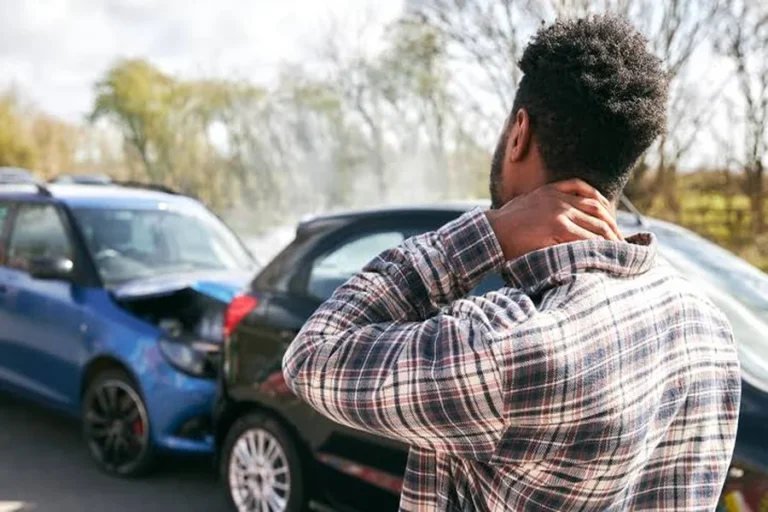
A car crash in Milwaukee does not always come down to one careless driver. On a busy road, one driver may change lanes without looking, another may be speeding, and a third may fail to stop in time. Each action can play a part in the same collision. Sorting out responsibility becomes harder because the damage may involve several vehicles and different accounts of what happened. Milwaukee car crash statistics 2026 may offer a broader picture of local road safety, but an individual claim depends on the facts of that crash. Here is what happens when several drivers share fault.
How Fault Is Divided Among Multiple Drivers
The first step is to find out what each driver did before and during the crash. Investigators may review the police report, speak with drivers and witnesses, examine vehicle damage, and check available traffic camera footage. Their goal is to build a clear picture of how the collision happened.
For example, a driver on a Milwaukee road may speed through traffic, while another changes lanes without checking the blind spot. A third driver may follow too closely and fail to stop in time. Each action may have contributed to the crash, but the drivers may not share equal responsibility.
Fault is usually expressed as a percentage. One driver may be assigned 50% of the responsibility, another 30%, and a third 20%. These numbers show how much each person’s actions contributed to the collision. Being involved in a crash does not automatically make every driver equally responsible. The evidence and the facts of the case matter.
What Happens Under Wisconsin’s Comparative Negligence Rule?
Wisconsin follows a modified comparative negligence rule. This means an injured person may still recover damages if their share of negligence is not greater than the negligence of the person they are seeking damages from. However, the amount they can recover is reduced based on their own share of fault.
Wisconsin law also compares the injured person’s negligence separately with each defendant’s negligence. This detail matters in a crash involving several drivers. A person may be able to seek damages from one driver but not another, depending on how their individual fault percentages compare.
For example, suppose a Milwaukee driver suffers $100,000 in damages and is found 30% responsible for the crash. If the driver seeks recovery from another driver who is 40% responsible, the injured driver’s negligence is not greater than that defendant’s negligence. The damages may be reduced by 30%, leaving $70,000 before other issues are considered.
However, if the injured person is more negligent than a particular defendant, Wisconsin’s rule generally prevents recovery from that defendant. This is why the percentage assigned to each driver can affect the outcome of a claim.
What Happens to Insurance Claims?
After a crash involving several drivers, more than one insurance company may become involved. Each insurer usually reviews the accident to decide what happened and how much responsibility its policyholder may have. The companies may look at police reports, photographs, witness statements, repair records, and other available information.
The process does not always move in one direction. One insurer may believe its driver had little responsibility, while another may argue that the same driver caused a major part of the collision. These different views can lead to delays because the companies may need more information before deciding how to handle the claims.
Coverage also matters. A driver’s policy may have limits on how much it pays for injuries or vehicle damage. If several people are injured or multiple vehicles need repairs, those limits may affect how much money is available. A person may also have coverage under their own policy, depending on its terms and the type of loss.
Who Pays for Damages After Shared Fault?
The amount each responsible driver may have to pay depends on their share of fault and Wisconsin’s liability rules. Under Wisconsin Statute 895.045, a driver found less than 51% responsible is generally liable only for their percentage of the total damages. A driver found 51% or more responsible may be jointly and severally liable for the damages allowed.
For example, if one driver is found 60% responsible and another is found 40% responsible, the first driver may be responsible for the full amount of damages allowed under the joint and several liability rule. The second driver’s responsibility is generally limited to their 40% share.
This rule does not mean that an insurance company will automatically pay every amount claimed. Policy limits, coverage terms, the final fault findings, and other legal issues can affect the actual payment. The final responsibility also depends on the facts and applicable law.
What Happens If Drivers Disagree About Fault?
Disagreements are common in multi-vehicle crashes because each driver may describe the collision differently. One person may say another vehicle cut them off, while someone else may claim that the driver behind them was speeding. Insurance companies may also reach different conclusions after reviewing the same evidence.
If the parties cannot agree, additional investigation may be needed. This can include reviewing road conditions, checking vehicle damage, collecting witness accounts, and examining available video footage. If a claim leads to a lawsuit, a judge or jury may consider the evidence and decide how negligence should be divided.
Useful evidence may include:
- Police reports and witness statements.
- Traffic camera or nearby business video footage.
- Photographs of vehicle damage and the crash location.
- Medical records and repair estimates.
- Available vehicle data and other crash records.
No single record always tells the full story. Different sources may need to be compared to understand each driver’s role.
How Shared Fault Shapes the Final Claim Outcome
A crash involving several drivers can lead to more than one insurance claim and different views about responsibility. Milwaukee car crash statistics for 2026 may provide local road safety context, but they cannot decide fault in an individual collision.
That decision depends on the evidence, each driver’s actions, and Wisconsin’s negligence rules. Fault percentages can affect compensation and payment duties, so the final outcome depends on the specific facts of the crash.