Improving Workplace Efficiency With Flexible Aerial Lift Solutions
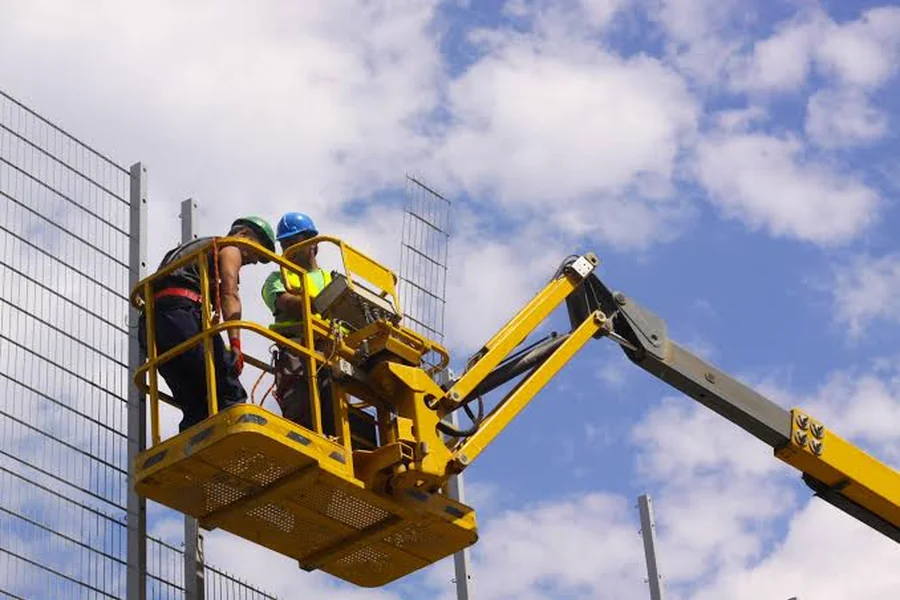
Working at elevated heights requires dependable equipment, careful planning, and a strong commitment to workplace safety. Warehouses, manufacturing facilities, construction projects, maintenance teams, and commercial operations often need to reach overhead areas to complete installations, inspections, repairs, and other essential tasks. Ladders and traditional scaffolding may not provide the mobility, working platform, or stability required for every application, particularly when employees need to carry tools and materials while working above ground level. A scissor lift offers a practical solution by providing a raised platform that moves vertically and gives authorized workers access to elevated work areas. Choosing scissor lift rental can help businesses obtain suitable equipment for specific projects without making the substantial upfront investment associated with purchasing machinery. With appropriate equipment selection, trained operators, and a well-organized work plan, companies can improve productivity, manage project expenses, and complete elevated tasks more efficiently.
Understanding Scissor Lifts
A scissor lift is an aerial work platform that uses a linked folding support mechanism to raise and lower a platform vertically. Its design provides a stable working area where authorized employees can perform tasks such as installing electrical fixtures, inspecting overhead systems, painting interior surfaces, maintaining warehouse equipment, or completing construction work. Unlike equipment designed primarily to extend workers outward, a conventional scissor lift focuses on vertical elevation, making it suitable for tasks that require access directly above the machine’s position. Different models offer varying platform heights, load capacities, dimensions, power systems, and operating features. Understanding these differences is essential because the right equipment must accommodate the work being performed, the number of authorized occupants, the tools being carried, and the conditions of the operating environment. Selecting equipment based on these requirements helps prevent delays and supports a safer, more organized working process.Businesses should also understand that scissor lifts are available in different configurations to accommodate different applications. Electric models are commonly considered for indoor work where low-emission operation and maneuverability are important, while other models may be designed for demanding environments or surfaces that require different operating capabilities. Compact equipment can be useful in restricted workspaces, narrow access areas, and facilities with limited maneuvering room, provided the machine fits the available clearances and meets the task’s requirements. Larger platforms may provide additional working space for approved personnel and equipment, but they also require sufficient room for movement, setup, and safe operation. Before choosing a machine, project managers should review platform dimensions, maximum working height, rated capacity, doorway widths, floor conditions, and any relevant environmental restrictions. A careful evaluation reduces the risk of receiving equipment that cannot operate effectively in the intended workspace.
Choosing the Right Equipment
Selecting appropriate equipment begins with understanding the exact work that needs to be completed. Project managers should determine the required working height, the dimensions of the elevated area, the approximate duration of the job, and the materials that workers must carry onto the platform. It is also important to distinguish between platform height and working height because these measurements are not interchangeable across manufacturers and equipment models. The total load must remain within the machine’s rated capacity, including occupants, tools, supplies, and any other permitted materials. Businesses should consider the available access routes, ceiling clearances, floor strength, and the space required to position the machine before elevation. These details help rental specialists identify suitable equipment and reduce the likelihood of interruptions caused by incorrect specifications. Providing accurate project information before delivery can make equipment selection more efficient and help ensure that the selected platform matches the practical demands of the job.The operating environment is another important factor in equipment selection because indoor and outdoor applications may require different features. Smooth, level floors in warehouses and commercial buildings may accommodate certain electric platforms, while rough or uneven surfaces can require equipment specifically designed for those conditions. Businesses should never assume that a machine suitable for one environment will automatically be appropriate for another. Surface gradients, floor openings, overhead obstructions, pedestrian traffic, nearby machinery, and weather exposure can all influence whether a particular model is suitable. If the project involves working near shelving, production lines, loading areas, or fixed installations, managers should also consider how the lift will be positioned and moved without creating unnecessary hazards. Discussing these conditions with the rental provider helps establish realistic operating requirements and supports a more informed decision before the equipment arrives.
Benefits of Renting
Purchasing aerial equipment may not be practical for every business, especially when elevated work occurs only occasionally or when different projects require different machine specifications. Renting allows companies to obtain equipment for a defined period without committing to the full purchase price, long-term storage, or ownership responsibilities associated with maintaining a permanent fleet. This arrangement can be particularly helpful for contractors handling temporary projects, facility managers completing scheduled upgrades, and warehouse operators who need additional equipment during periods of increased activity. Rather than tying up capital in machinery that may remain unused between assignments, businesses can allocate funds toward labor, materials, project preparation, and other operational priorities. Rental arrangements can also make it easier to match equipment selection with the duration and requirements of each job, helping companies avoid purchasing a machine that may not suit future projects.Flexibility is another important advantage because equipment requirements can change as projects progress. A business may need a compact platform for work inside a building during one phase and a different type of aerial equipment for another task. Renting can provide access to alternative equipment without requiring the company to purchase several machines or maintain a large fleet. It may also provide a practical temporary solution when owned equipment is unavailable, undergoing maintenance, or unable to meet a particular project’s specifications. Companies can discuss short-term and longer-term options with the rental provider to determine which arrangement best matches the expected duration of use. Before agreeing to any rental, businesses should review the rental period, delivery arrangements, maintenance responsibilities, insurance requirements, damage provisions, and any applicable charges for extending the agreement. Clear expectations help prevent misunderstandings and support better financial planning.
Workplace Safety
Safety should remain the highest priority whenever employees use elevated work platforms. Before operation begins, businesses should ensure that workers receive appropriate training and authorization for the equipment they will use. Operators must understand the machine’s controls, rated capacity, emergency procedures, warning systems, and manufacturer instructions. A pre-use inspection should identify visible damage, fluid leaks where applicable, worn tires, damaged guardrails, malfunctioning controls, and other conditions that could affect safe operation. Any equipment showing a potentially hazardous defect should be removed from service until qualified personnel evaluate and address the issue. Workers should also inspect the intended travel path and work area for floor openings, overhead obstructions, uneven surfaces, nearby vehicles, and pedestrian traffic. A properly planned work zone helps reduce avoidable hazards and allows operators to focus on completing the task safely.Guardrails, platform gates, access points, and other protective features must remain in the condition required by the equipment manufacturer. Operators should never bypass safety systems, climb on guardrails, use improvised extensions to gain additional height, or exceed the platform’s rated capacity. Tools and supplies should be arranged securely so that they do not create tripping hazards or interfere with the operation of controls. When the machine is elevated, movement and positioning must follow the manufacturer’s instructions and the conditions under which the equipment is approved to operate. Businesses should also establish communication procedures for work areas where noise, restricted visibility, or multiple contractors may complicate coordination. Workers nearby should understand the operating zone and avoid entering restricted areas without authorization. Combining training, inspections, clear communication, and appropriate operating practices helps create safer conditions for employees and others working around elevated machinery.
Preparing the Worksite
Preparing the worksite before equipment delivery can improve efficiency and reduce unnecessary rental time. Project managers should verify that the intended work area is accessible and that the floor or ground conditions are suitable for the selected machine. Doorways, corridors, loading entrances, and turning areas should provide sufficient clearance for the equipment to reach its destination. Any overhead obstructions, including pipes, beams, lighting fixtures, electrical installations, and ventilation systems, should be identified before the platform is raised. Where required, the work area should be isolated from pedestrian movement and vehicle traffic using suitable controls. Materials and tools should be organized in advance so workers can complete tasks without repeatedly lowering the platform to retrieve supplies. These preparation measures can reduce interruptions, improve coordination between trades, and help ensure that the equipment is used productively throughout the scheduled rental period.Worksite planning should also include an assessment of how the lift will be delivered, unloaded, positioned, and returned after the project is complete. Businesses should confirm access arrangements with the supplier and ensure that the delivery area can accommodate the equipment safely. If the machine will operate in a facility with restricted access, managers should provide accurate measurements and describe any relevant limitations before confirming the rental. The intended route should be checked for obstacles, unsuitable surfaces, and areas where other operations could interfere with movement. When several contractors are working in the same space, scheduling elevated work during an appropriate window may help reduce congestion and improve safety. Establishing these details beforehand allows the project team to use the equipment more efficiently instead of losing valuable time resolving avoidable access or coordination problems after delivery.
Managing Rental Costs
Controlling equipment expenses requires more than comparing the advertised rental price. Businesses should evaluate the complete cost of using the machine, including the rental period, transportation, delivery and collection arrangements, required accessories, applicable fees, and any additional charges described in the agreement. The cheapest option may not provide the best overall value if its platform height, capacity, dimensions, or operating features are unsuitable for the project. Conversely, selecting a machine with capabilities beyond the actual requirements may result in unnecessary expenditure. Managers should compare available options according to the work to be completed, the expected duration, and the operational conditions. Asking for a clear quotation helps establish which services are included and which expenses may be charged separately. This approach makes it easier to prepare a realistic budget and reduces the likelihood of unexpected costs affecting project profitability.Accurate scheduling can also help businesses make better use of their rental budget. Delays caused by missing materials, incomplete site preparation, unavailable personnel, or scheduling conflicts can extend the time equipment remains on rent. Before delivery, project managers should coordinate labor, confirm that the work area is ready, and organize the necessary tools and supplies. They should also estimate the duration of each task realistically and discuss the process for extending the rental if unforeseen circumstances arise. A project that requires a longer period than originally anticipated may benefit from a revised rental arrangement, depending on availability and contract terms. Maintaining communication with the provider allows businesses to address changing requirements before they become costly problems. With effective planning and regular progress reviews, companies can reduce wasted rental time while ensuring that workers have access to suitable equipment for the entire assignment.
Maintenance and Reliability
Equipment reliability is essential because a mechanical problem can interrupt work, delay other contractors, and increase project expenses. Before accepting a rental unit, businesses should understand the provider’s inspection procedures, maintenance arrangements, and process for reporting equipment problems. Operators should complete the required pre-use checks each day and remain alert to unusual sounds, warning indicators, damaged components, or changes in performance. If a problem develops, they should follow the manufacturer’s instructions and the provider’s reporting procedure rather than attempting unauthorized repairs. Equipment that may be unsafe should not continue operating simply because the project deadline is approaching. Clear communication helps the rental provider determine the appropriate response and explain whether inspection, repair, or replacement equipment may be available under the agreement. Understanding these responsibilities in advance helps project teams respond more effectively when unexpected problems occur.A dependable rental provider should be able to explain the available support arrangements and help customers understand the equipment’s operating requirements. Businesses should ask who is responsible for routine inspections, what to do if a machine develops a fault, and how service interruptions are handled during the rental period. They should also confirm whether operators are expected to complete any specific documentation and whether there are restrictions on the equipment’s use or movement. Keeping the machine clean, following operating instructions, and avoiding unauthorized modifications can help preserve its condition throughout the assignment. At the end of the rental, equipment should be returned according to the agreed procedures, with any damage or operational concerns reported clearly. These practices help maintain accountability between the customer and the supplier while supporting a more organized and reliable rental experience.
Selecting a Rental Provider
Choosing an experienced equipment provider can simplify the rental process and help businesses identify a suitable machine for their requirements. A reliable provider should ask relevant questions about the project’s working height, platform capacity, access limitations, operating environment, and expected rental duration. It should also explain the available equipment options, delivery arrangements, operating instructions, and service procedures in clear terms. Businesses should consider the provider’s ability to support different project sizes, respond to equipment concerns, and explain the terms of the rental agreement before a commitment is made. Access to knowledgeable rental personnel can be particularly useful when customers are uncertain about which platform configuration best suits their work. Rather than selecting equipment based on appearance or price alone, businesses should evaluate how well the proposed machine matches the actual job requirements and whether the rental arrangement provides suitable operational support.Companies seeking aerial and material-handling equipment can explore the rental options offered by Tri-Lift Industries through its official website. The company provides short-term and long-term equipment rental options, including platform scissor lifts, and offers support from dedicated rental technicians for its rental customers. Businesses should share the expected working height, load requirements, indoor or outdoor conditions, access measurements, and estimated project duration when discussing their needs. This information can help the rental team identify potentially suitable equipment and explain the available options. Customers should confirm current availability, specifications, delivery arrangements, pricing, and contract conditions directly with the provider before finalizing a rental. Taking time to clarify these details helps ensure that the equipment and agreement align with the project’s practical requirements, budget, and schedule.
Conclusion
Elevated work requires dependable equipment, thorough preparation, and a consistent commitment to safe operating practices. A suitable scissor lift can help businesses complete maintenance, installation, inspection, and construction tasks more efficiently by providing a stable platform for authorized workers to access overhead areas. The right equipment selection depends on working height, platform capacity, access restrictions, surface conditions, project duration, and the tools or materials that must be carried. Careful planning, trained operators, pre-use inspections, and effective communication can reduce avoidable hazards and help keep work moving according to schedule. Choosing scissor lift rental also gives businesses flexibility when they need specialized equipment for temporary assignments without making a major purchase. By comparing equipment options, understanding rental terms, preparing the worksite, and working with a dependable provider, companies can control expenses, improve productivity, and complete elevated projects with greater confidence.