
What Evidence Do You Need for a Successful Lawsuit?
While it can be a serious decision to send a lawsuit into the world, winning one is based on a lot more than just telling your side of the story. Evidence is the most critical part of a dispute in court. It is in the court’s interest to know facts, documents and testimony of what actually took place. A valid claim can still be lost if it cannot be substantiated with strong evidence.
From personal injury cases to contract disputes, to workplace conflicts, and beyond, knowing what kind of evidence you’ll need to be successful in your case can only help your case. Gathering and retaining evidence early can also help to ensure that key details are not lost over time.
In this article, we’ll cover the various types of evidence that are typically used in a lawsuit, their significance, and how to build a strong case with evidence and preparation.
Why Evidence Is Essential in a Lawsuit
The basis of a successful lawsuit is evidence. It provides the opportunity to the court to consider the facts and determine whether a legal action is warranted. Judges and juries are not allowed to make decisions on assumptions/personal opinions. Rather, they test the credibility of the evidence that is offered by both parties.
In a typical civil case, the plaintiff must establish their case. That, in general, involves demonstrating a likelihood greater than 50% that their side of the story is correct. The more convincing and persuasive your evidence is, the more likely you’ll meet the legal standard.
Good evidence also allows you to build credibility. Unless your statements have documents, photos and witness testimony to back them up, they are not as convincing as supported statements.
Types of Evidence That Can Strengthen Your Case
Different lawsuits require different forms of evidence, but several categories are commonly used across many legal cases.
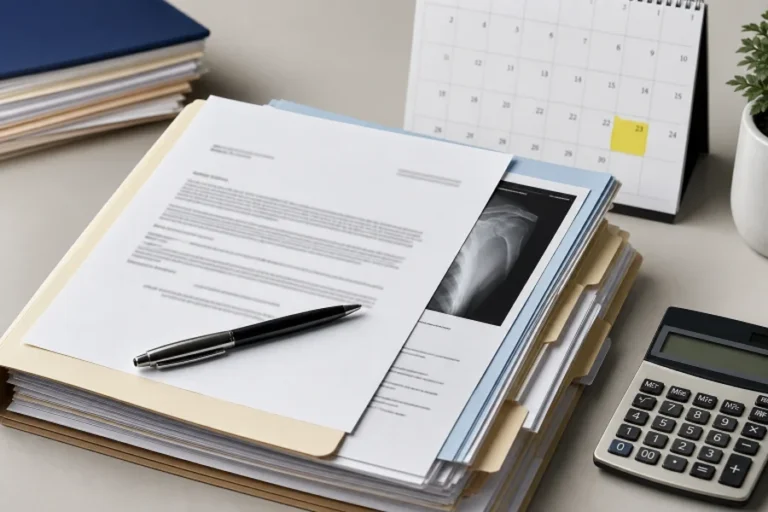
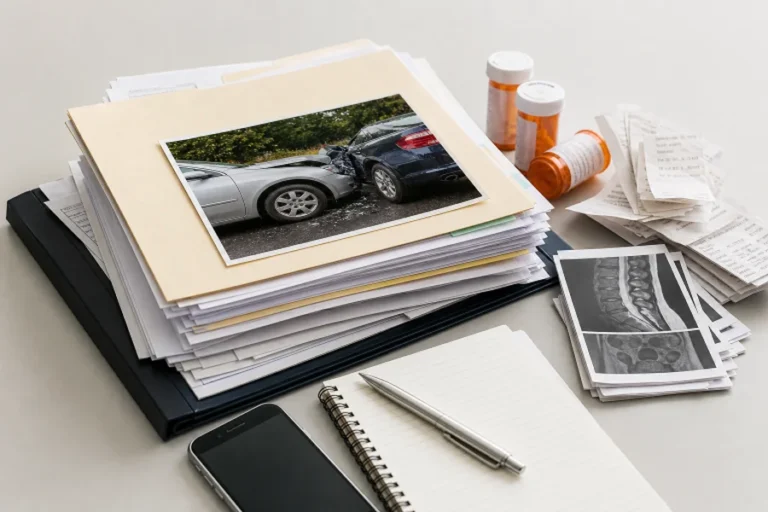
Documents are often among the strongest forms of evidence. These may include contracts, invoices, receipts, medical records, emails, text messages, bank statements, insurance policies, and business records. Written documents can clearly show agreements, payments, communications, or timelines that support your claim.
Photographs and videos provide visual proof of events, injuries, property damage, or unsafe conditions. Images taken soon after an incident are often more persuasive because they accurately capture the circumstances before anything changes.
Witness testimony is another valuable source of evidence. Witnesses who personally observed an event can explain what they saw or heard. Independent witnesses who have no personal interest in the outcome are often viewed as especially reliable.
Physical evidence includes damaged property, defective products, clothing, equipment, or any object directly connected to the dispute. Preserving physical evidence in its original condition is important whenever possible.
Digital evidence has become increasingly important in modern lawsuits. Social media posts, GPS data, security camera footage, phone records, and electronic communications may all help establish facts or verify timelines.
The most effective lawsuits often rely on several different types of evidence working together to support the same conclusion.
How to Collect and Preserve Evidence Properly
Collecting evidence is a part of the process. Correctly preserving it is also essential as incorrect evidence may be discredited or unusable at trial.
Begin gathering of information as early as possible after the incident. Memories may be lost, documents may be lost, and physical evidence can be changed over time. Timely action maintains accurate information.
Wherever possible, preserve original documents. For digital files, have duplicate copies in safe places. Do not touch up photos, videos, or electronic communications as changes may be called into doubt.
Keep organized records: Use folders for various evidence types. Use dates and short descriptions when labeling documents to help find them later.
Get immediate medical care and follow your health care provider’s advice if you have injuries. Medical records not only help you with your recovery but they will also provide a formal record that might come into play in your case.
Having a personal journal to record significant events, conversations, costs, and how the conflict is affecting you on a personal level is also beneficial. Close notes taken to the events can be helpful later on.
Lastly, don’t ruin or throw out anything that could be important. Any appearance of an insignificant piece of evidence could be very important in the courtroom.
Common Mistakes That Can Weaken a Lawsuit
Avoidable errors in relation to evidence make many lawsuits more difficult.
A frequent mistake is waiting too long to get information. Key witnesses can disappear, videos may be erased, and documents may be lost.
The second error is using only verbal statements and no evidence. Testimony is important, but written documentation and physical evidence is generally more convincing.
It is also unfortunate that some people end up harming their own cases by spreading news of the controversy on social media. The opposing party can use public posts, comments and photos as evidence, particularly if they seem to contradict the claims being made.
Another common issue is not keeping track of expenditures. For medical expenses, lost wages, repair costs or other damages, providing detailed receipts and financial records is useful to establish the amount of damages you’re seeking.
Also, it’s important to note that you may harm your credibility if you try to manipulate or make up evidence. It’s a serious matter, honesty, and if you give false evidence, you may be penalized or dismissed.
Working with an experienced attorney can help you avoid these common mistakes and ensure that your evidence is properly presented.
Final Thought
But being right is not enough to win a lawsuit. If there is strong evidence, your claim is credible and supported and will help persuade the court. All documents, photographs, witness evidence, and physical things and records are vital in establishing a strong case.
Starting to gather, and preserve evidence, as early as possible, improves the chances of preserving important information. Being well organized, keeping a good record and avoiding common errors can make a big difference in your case during the legal proceedings.
Each case will be different, and the evidence that will be necessary will be different for each case and legal claim. It’s easy to see how important it is to seek out a qualified attorney if you are thinking about taking legal action to ensure that you have the best evidence, know what you’re legally entitled to, and have a strategy that puts your case in the best position.