Fast Turn PCB: Fast Turnaround PCB Assembly for Time-Sensitive Projects
In the electronics industry, meeting production deadlines can be just as important as delivering a reliable product. Businesses developing new devices, upgrading existing systems, or fulfilling urgent customer orders often need printed circuit boards (PCBs) assembled within a limited timeframe. Delays in component sourcing, board fabrication, or assembly can affect product launches and disrupt entire production schedules. Fast turnaround PCB assembly helps companies manage these challenges by streamlining manufacturing processes and supporting time-sensitive projects.
Fast Turn PCB is a name businesses can consider when evaluating PCB manufacturing and assembly solutions. By understanding the assembly process, preparing accurate project documentation, and selecting a suitable manufacturing partner, companies can improve production planning and move their electronic products toward completion more efficiently.
What Is Fast Turnaround PCB Assembly?
Fast turnaround PCB assembly is a service focused on completing printed circuit board assembly within a shorter production timeframe. It involves mounting electronic components onto fabricated PCBs while coordinating the manufacturing steps required to prepare boards for testing and use.
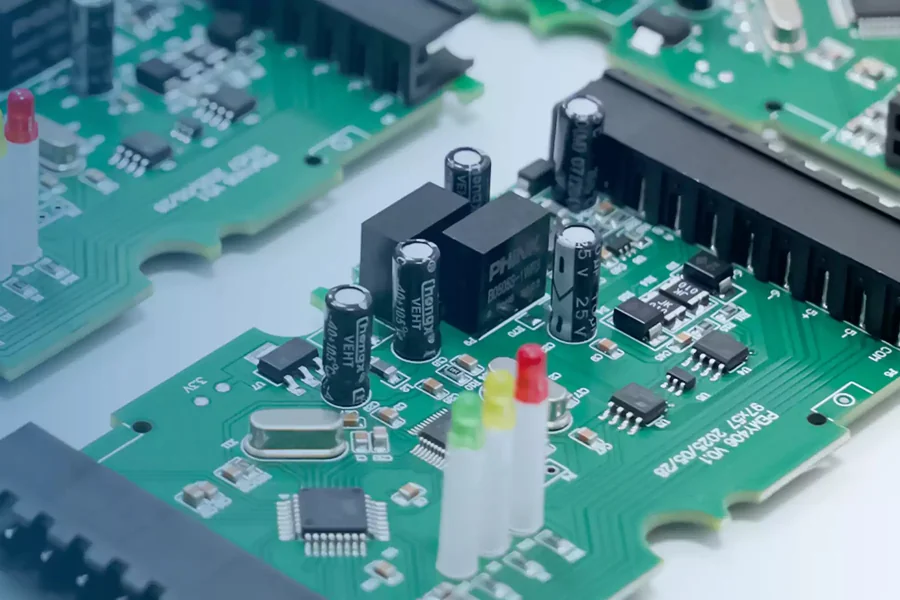
Depending on the project, assembly may involve surface-mount technology (SMT), through-hole component installation, soldering, inspection, and electrical testing. Some providers also offer PCB fabrication and component sourcing as part of an integrated service.
The actual turnaround time depends on several factors, including board complexity, component availability, production capacity, and the required quality checks. Therefore, businesses should communicate their deadlines and technical requirements before production begins.
Why Fast PCB Assembly Matters for Time-Sensitive Projects
1. Supporting Faster Product Development
Product development often involves several stages of design, testing, and refinement. Engineers may need assembled boards quickly to evaluate circuit performance, test software, or confirm that components work together as expected.
A well-organized assembly process helps development teams receive boards for evaluation without unnecessary delays. Faster access to prototypes can make it easier to identify design issues and decide which improvements should be made before the next development stage.
This is particularly useful for startups and engineering teams working toward demonstrations, product reviews, or scheduled launches.
2. Meeting Customer Deadlines
Electronics manufacturers frequently work with customer commitments and fixed delivery dates. If PCB assembly takes longer than expected, the delay may affect final product integration and shipment.
Fast turnaround PCB assembly can help businesses plan around these deadlines by reducing avoidable waiting periods between manufacturing stages. However, meeting a deadline also requires accurate scheduling, available materials, and realistic expectations.
Companies should confirm the expected completion date with their manufacturing partner rather than assuming that every board can be assembled within the same timeframe.
3. Responding to Urgent Repairs and Replacements
Some industries depend on electronic systems that must remain operational. When a control board fails or a replacement circuit is needed, obtaining assembled PCBs quickly can help maintenance teams restore equipment and reduce downtime.
Examples include industrial controllers, monitoring systems, communication equipment, and specialized electronic devices. In these situations, accurate specifications and component availability are especially important because replacement boards must meet the requirements of the original system.
4. Improving Production Flexibility
Businesses sometimes experience sudden increases in demand or changes in project priorities. A manufacturing process that accommodates different order quantities and production requirements can help companies respond more effectively.
Fast assembly services may be useful for prototype batches, pilot production, and urgent replenishment orders. The best approach depends on the manufacturer’s capacity and the complexity of the required assembly.
Key Factors That Affect PCB Assembly Turnaround
Although speed is important, several technical and operational factors determine how quickly an assembly order can be completed.
Component availability: Electronic components that are out of stock or difficult to source can delay production. Providing an accurate bill of materials (BOM) helps the manufacturer check availability early.
PCB design complexity: Boards with fine-pitch components, dense layouts, multiple layers, or specialized requirements may need additional preparation and inspection.
Order quantity: A small prototype batch and a large production order require different scheduling and manufacturing resources. The quantity should be specified when requesting a quotation.
Manufacturing documentation: Missing files, incorrect part numbers, or unclear assembly instructions can lead to questions and revisions. Complete documentation helps reduce avoidable delays.
Testing requirements: Electrical testing, automated optical inspection (AOI), and functional testing may be necessary depending on the application. These activities should be included in the production schedule.
Understanding these factors allows businesses to balance speed with product quality and reliability.
How to Prepare for Fast Turnaround PCB Assembly
Preparation is one of the most effective ways to support a smooth manufacturing process. Before placing an order, companies should organize their technical files and communicate any time constraints clearly.
Provide Complete Manufacturing Files
Manufacturers commonly require Gerber files or other accepted PCB fabrication data, a BOM, pick-and-place files, and assembly drawings. The exact requirements depend on whether the order includes bare-board fabrication, component assembly, or both.
Review the files carefully to ensure that the correct design revision is being used. Clear documentation reduces the risk of manufacturing errors and unnecessary clarification requests.
Confirm Component Specifications
The BOM should identify the required components, including part numbers, quantities, and relevant specifications. If substitutions may be acceptable, define the approval process before production starts.
Using unauthorized alternatives can create compatibility or performance problems. Any proposed substitutions should be reviewed and approved by the customer or responsible design engineer.
Communicate Your Deadline
Tell the manufacturer when the completed boards are required and explain any important milestones. This gives the production team an opportunity to evaluate feasibility, identify potential bottlenecks, and provide a realistic schedule.
If the project requires expedited shipping, include that requirement in the planning process. Manufacturing time and transit time are separate considerations.
Establish Quality Requirements
Fast production should not eliminate essential quality checks. Specify inspection procedures, electrical testing expectations, and acceptance criteria before the order is confirmed.
A clear quality plan helps the manufacturer understand what must be verified before the assembled boards are delivered.
Choosing the Right PCB Assembly Partner
Selecting a manufacturing partner requires more than comparing advertised turnaround times. Businesses should consider technical capabilities, communication, quality control, component sourcing, and the ability to support their order quantity.
Ask whether the provider can handle the required component packages, board dimensions, assembly methods, and testing procedures. It is also useful to understand how the provider communicates production updates and manages unexpected material shortages.
Fast Turn PCB can be considered when comparing manufacturing options for urgent PCB assembly projects. Businesses should review the available services, request a project-specific quotation, and confirm the production schedule before making a decision.
A reliable partner should explain the expected timeline clearly and identify potential challenges instead of promising a delivery date without reviewing the project requirements.
Industries That Benefit From Fast PCB Assembly
Fast assembly services can support businesses across multiple sectors.
- Consumer electronics: Helps product teams develop and test connected devices, accessories, and electronic appliances.
- Industrial automation: Supports control systems, monitoring equipment, and replacement circuit boards.
- Telecommunications: Helps manufacturers prepare boards for communication and networking equipment.
- Automotive electronics: Supports electronic modules and prototype development where appropriate specifications and testing are essential.
- Medical electronics: Can assist with development and manufacturing workflows that require careful quality controls and applicable regulatory compliance.
Each application has different performance and reliability requirements, so production speed should always be balanced with the necessary technical checks.
Conclusion
Fast turnaround PCB assembly is valuable for businesses that need assembled circuit boards for urgent orders, prototype testing, equipment repairs, or time-sensitive product launches. By coordinating manufacturing activities, confirming component availability, and preparing accurate documentation, companies can reduce avoidable delays and improve production planning.
Fast Turn PCB is worth evaluating when comparing PCB assembly providers for projects with demanding schedules. The most effective solution combines realistic lead times, suitable manufacturing capabilities, clear communication, and consistent quality control.
With proper preparation and the right manufacturing partner, businesses can manage tight deadlines more confidently while maintaining the standards required for reliable electronic products.