Termite Control Helps Protect Singapore Properties From Hidden Damage
Termites can be difficult to notice because they often work out of sight. By the time a homeowner or property manager sees damaged wood, bubbling paint, mud tubes, or other signs, the colony may already be well established. Singapore’s warm and humid climate also creates suitable conditions for termite activity throughout the year. For this reason, professional termite control services can be an important part of protecting homes, offices, condominiums, and other properties from costly damage.
Unlike pests that are easy to spot around food or rubbish areas, termites can remain inside walls, flooring, timber, and other hidden spaces. A property may appear perfectly normal while termites are already causing damage. Understanding how infestations develop and why early treatment matters can help property owners take action before the problem becomes more serious.
Why Termites Are a Concern in Singapore
Singapore’s warm temperatures and high humidity provide favourable conditions for termites. These pests can enter properties through small openings, cracks in foundations, pipe penetrations, or areas where soil comes into contact with a building.
Subterranean termites are a particular concern because their colonies are located underground. They can travel from the soil towards a building and reach timber or other materials without being immediately noticed. Drywood termites are different because they can establish colonies directly inside dry wood, making them harder to detect from the outside.
This means that seeing a few termites does not necessarily indicate the full size of the problem. The visible insects may only represent a small part of a much larger colony.
Termites Can Cause Damage Without Being Seen
One of the biggest problems with termites is how quietly they work. They can feed on timber and other cellulose-based materials inside a property while leaving the surface looking relatively normal.
Wood may become hollow from the inside, while doors, cabinets, flooring, skirting boards, and other timber features can gradually weaken. In more serious cases, termites can affect parts of a building’s structure. This is why waiting for obvious damage before arranging an inspection may allow the infestation to become more difficult to manage.
PestMan notes that termite colonies can continue feeding for long periods before an infestation becomes visible. Early detection can therefore help reduce the extent of damage and make treatment more targeted.
Signs That Could Point to Termite Activity
Although termites can remain hidden, there are signs that property owners can watch for. Mud tubes along walls or foundations are one possible indication of subterranean termite activity. These narrow tunnels protect termites travelling between their colony and a food source.
Other warning signs can include wood that sounds hollow when tapped, discarded wings around windows or doors, bubbling or blistering paint, damaged timber, and powdery residue. In some cases, people may even hear faint clicking sounds from inside walls.
These signs can sometimes be mistaken for water damage, ageing materials, or ordinary wear and tear. If something seems unusual, it is better to have the area professionally inspected rather than assuming the problem will disappear on its own.
Why a Professional Inspection Matters
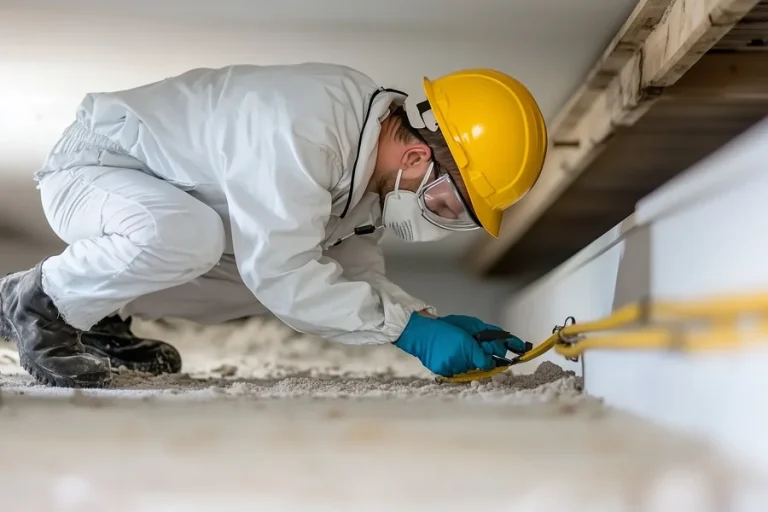
Finding termites is not always as simple as looking at the areas where damage is visible. A professional inspection can help determine whether termites are active, where they are entering the property, and what type of treatment is likely to work.
PestMan uses Termatrac T3i technology during inspections. The device combines radar, thermal, and moisture sensors to help locate termite activity within walls, floors, and structural timber without drilling or cutting into the property.
This type of non-invasive detection can be useful when there are no obvious surface signs. It can also help technicians identify risk areas before deciding which treatment should be used.
Treatment Should Address the Source
Simply killing visible termites does not necessarily solve an infestation. If the main colony remains active, more termites may continue entering the property.
The treatment therefore needs to match the type of infestation and the conditions around the building. PestMan provides post-construction treatments for properties where termite protection was not installed during construction or where previous protection has weakened over time.
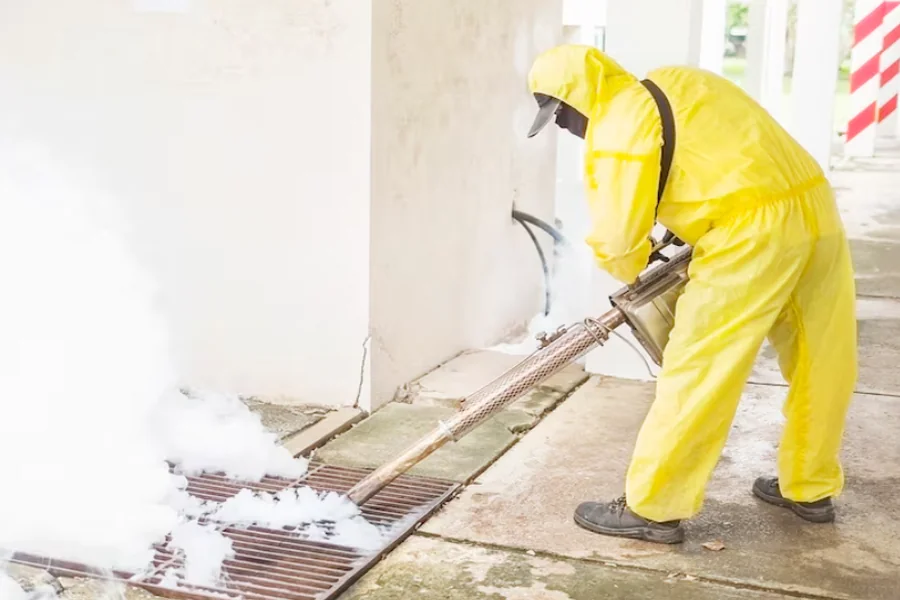
For some properties, soil correction treatment may be appropriate. This involves applying an approved termiticide around the building perimeter and other important areas to create a barrier between the soil and the structure.
Another option is a termite baiting system. Bait stations are positioned in areas where termite activity is identified. The slow-acting bait can then be carried back to the colony by worker termites, helping target the infestation at its source.
The suitable approach depends on the property, termite species, level of activity, and location of the infestation.
Termite Control Is Not Only for Older Buildings
Some people assume that only old houses or buildings are vulnerable to termites. In reality, properties of different ages and construction types can experience termite activity.
HDB flats, condominiums, landed homes, commercial buildings, and other properties can all have conditions that allow termites to enter. Building age may affect the condition of existing protective measures, but newer properties should not automatically be considered safe from infestation.
This is one reason regular inspections can be useful, particularly for properties with significant timber features, landscaping close to the building, or a previous history of termite activity.
Why Ongoing Monitoring Is Important
Treatment is not always the end of termite management. Continued monitoring can help determine whether the infestation has been successfully controlled and whether new activity appears later.
PestMan provides scheduled follow-up inspections and monitoring as part of its termite control approach. For properties using bait stations, technicians can check bait consumption and replenish stations when needed. Written reports can also be provided after monitoring visits.
Regular monitoring gives property owners another opportunity to catch renewed activity before it develops into a larger problem. For buildings that have experienced termites before, this can be especially useful.
Choosing a Qualified Termite Control Provider
Termite treatment involves more than spraying an affected area. The provider needs to understand termite behaviour, identify the species involved, assess the property, and select a suitable treatment method.
PestMan states that its termite services are carried out by NEA-certified technicians and that the company has more than 20 years of experience serving residential and commercial properties in Singapore. Its approach includes inspection, diagnosis, treatment, follow-up, and ongoing protection.
Working with trained professionals can also help ensure that pest control products are applied correctly. This is particularly important in homes where children or pets may be present and in commercial properties where treatment needs to be managed without unnecessary disruption.
Why DIY Termite Treatment May Not Be Enough
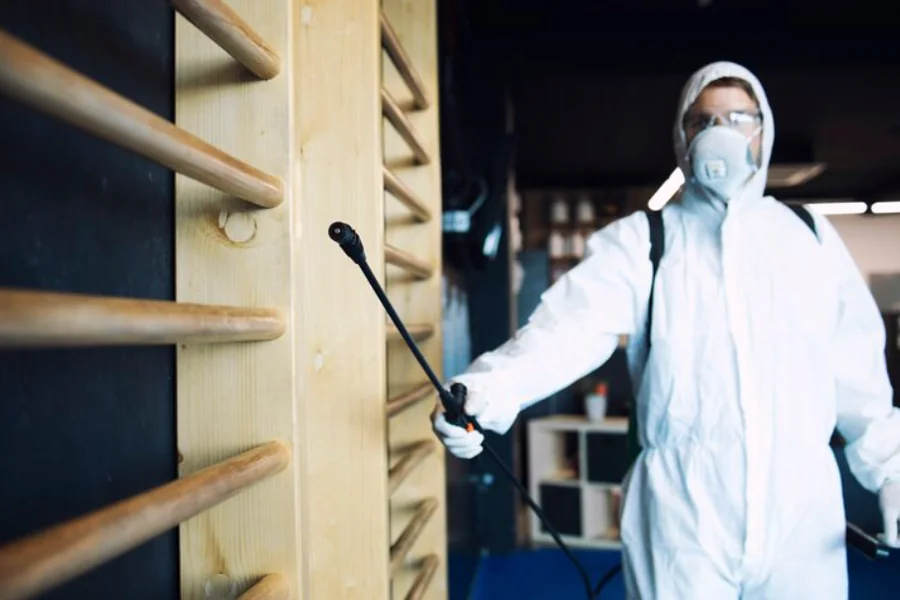
It can be tempting to buy an over-the-counter spray after seeing termites or signs of damage. While this may kill insects that are directly exposed to the product, it does not necessarily reach the colony.
Termites can remain hidden behind walls, under floors, or underground, meaning surface treatment may only address part of the problem. Professional inspection and targeted treatment are more useful when the goal is to locate and manage the infestation rather than simply remove visible insects.
Getting professional advice early can also prevent property owners from spending money repeatedly on temporary solutions that do not address the source.
Protecting Your Property Before Damage Gets Worse
Termites are small, but an established colony can create a major property problem if left untreated. The hidden nature of these pests makes early detection particularly important in Singapore, where the climate allows termite activity to continue throughout the year.
Regular inspections, professional treatment, and follow-up monitoring can help property owners stay ahead of potential infestations. Whether the property is an HDB flat, condominium, landed home, office, or commercial facility, understanding the risks and responding to early warning signs can make termite management much easier.
Instead of waiting until damaged timber or other visible signs appear, property owners can treat termite prevention as part of normal building maintenance. With the right inspection and treatment plan, it is possible to address termite activity at its source and reduce the chance of hidden damage becoming a much larger and more expensive problem.