

Custom Data Centre: Building Infrastructure for Modern Digital Demands
As businesses become increasingly dependent on cloud computing, artificial intelligence, big data, and digital applications, the demand for reliable and scalable data centre infrastructure continues to grow. Traditional data centre models may not always provide the flexibility or performance required by modern organisations. A custom data centre in Malaysia can help businesses address specific infrastructure requirements while supporting scalability, operational efficiency and future growth. This is where a custom data centre can provide a significant advantage.
A custom data centre is designed around the specific requirements of an organisation rather than relying on a standard, one-size-fits-all infrastructure model. From power capacity and cooling systems to security, connectivity, rack density, and future expansion, every element can be planned according to the business’s operational and technical needs.
What Is a Custom Data Centre?
A custom data centre is a purpose-built facility or infrastructure solution designed to meet specific workload, capacity, security, and operational requirements. It can support enterprises, cloud providers, telecommunications companies, financial institutions, technology businesses, and organisations running demanding computing environments.
Unlike conventional facilities, custom data centres can be configured around factors such as expected IT load, power requirements, equipment density, redundancy, cooling technology, network connectivity, and scalability.
This approach is particularly valuable for organisations managing high-performance computing and AI workloads, where conventional infrastructure may not offer sufficient power or cooling capacity.
Key Benefits of Custom Data Centres
One of the biggest advantages of a custom data centre is scalability. Businesses can design infrastructure that meets their current requirements while allowing additional capacity to be introduced as workloads grow. This can help organisations avoid major infrastructure changes every time their computing requirements increase.
Another important benefit is optimised performance. A custom facility can incorporate high-density racks, specialised cooling systems, efficient power infrastructure, and connectivity options designed around specific applications. This is increasingly important as AI and high-performance computing workloads require significantly more power and advanced thermal management.
Reliability and security are also central considerations. Custom data centre environments can incorporate redundant power systems, backup infrastructure, monitoring technologies, physical security, and operational procedures designed to minimise downtime and protect critical workloads.
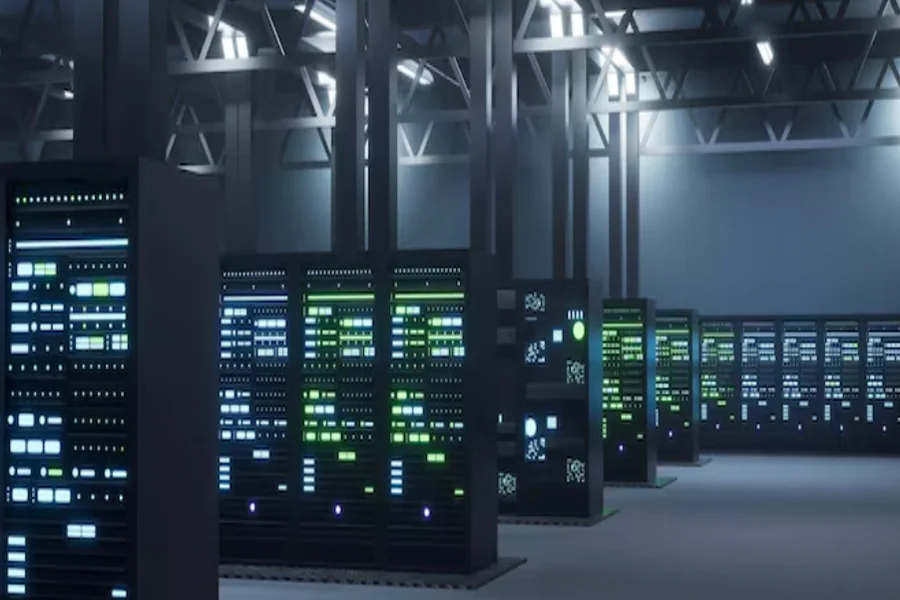
For businesses operating across Southeast Asia, location is another major consideration. Access to strong connectivity, suitable power infrastructure, and proximity to important digital markets can make a significant difference to the performance and resilience of data centre operations.
Custom Data Centre Solutions in Malaysia
Malaysia has become an increasingly important location for digital infrastructure in Southeast Asia. Its strategic position, connectivity opportunities, and expanding digital economy make it attractive for organisations looking to deploy scalable data centre capacity.
Businesses exploring a custom data centre in Malaysia can consider infrastructure designed for hyperscale, build-to-suit, and colocation requirements. Bridge Data Centres states that its Malaysian operations provide infrastructure for cloud and AI-driven workloads, with facilities designed around scalability, connectivity, reliability, and sustainability.
The company’s Malaysia portfolio includes multiple data centre campuses with substantial IT capacity. Its listed facilities include high-density-ready environments and a 99.999% uptime SLA, while advanced cooling options include cold plate and immersion solutions for demanding workloads.
Advanced Cooling for High-Density Workloads
Cooling is one of the most important components of modern data centre design. As processors become more powerful, traditional air-cooling approaches may not always be sufficient for high-density computing environments.
Custom data centres can incorporate advanced cooling technologies according to workload requirements. Liquid cooling, cold plate systems, and immersion cooling can provide additional options for managing the heat generated by high-performance processors.
Effective cooling can help maintain equipment reliability while supporting higher rack densities and improving energy efficiency. For organisations planning AI infrastructure, considering cooling requirements at the design stage is particularly important.
Efficient Power and Modular Infrastructure
Power availability and efficiency are equally important. A well-designed custom data centre can incorporate appropriate UPS systems, battery technologies, power distribution infrastructure, and redundancy levels based on operational requirements.
Modular infrastructure can further improve flexibility. Prefabricated and modular components can support faster deployment and allow capacity to be expanded as demand increases. Bridge Data Centres highlights modular infrastructure, optimised power systems, intelligent monitoring, and advanced cooling as features of its Malaysian facilities.
This combination of flexibility and efficiency allows organisations to create infrastructure that can adapt to changing technology requirements instead of becoming obsolete as workloads evolve.
Sustainability and Intelligent Operations
Sustainability is becoming an increasingly important part of data centre planning. Efficient cooling, power optimisation, renewable energy strategies, and sustainable building practices can help reduce the environmental impact of digital infrastructure.
Intelligent monitoring can also improve operational efficiency. Modern data centres can use automated monitoring and predictive maintenance technologies to identify potential issues before they result in significant downtime.
For organisations investing in long-term digital infrastructure, these capabilities can contribute to both operational resilience and improved resource management.
Conclusion
A custom data centre provides businesses with the opportunity to build infrastructure around their specific technical, operational, and growth requirements. By combining scalable power, advanced cooling, reliable connectivity, robust security, modular construction, and intelligent operations, organisations can create an environment capable of supporting demanding digital workloads.
As cloud computing, artificial intelligence, and high-performance applications continue to expand, flexible data centre infrastructure will become increasingly important. Malaysia’s growing role in Southeast Asia’s digital ecosystem also makes it an attractive market for organisations seeking scalable and strategically positioned data centre capacity.
Choosing the right data centre partner and designing infrastructure around both current and future requirements can help businesses achieve greater reliability, efficiency, and long-term scalability.