Home Updates That Can Make Everyday Spaces Feel More Refined
A home does not need expensive finishes or a complete renovation to feel more polished. Often, the difference comes from smaller choices that make rooms look more intentional and less improvised.
Lighting, wall treatments, textiles and better organisation can all change the way a space feels without altering its basic layout. The strongest updates are usually the ones that simplify rather than add too much.
Refinement is often about control. A few well-chosen details tend to create a stronger effect than filling every surface with decoration.
Use Darker Tones With More Intention
Dark walls can make a room feel sophisticated when they are used carefully. Instead of covering every surface, one feature wall or a smaller defined area can add depth without making the room feel heavy.
A black wallpaper can create a striking backdrop behind a bed, console or dining area, giving lighter furniture, artwork and metallic details more contrast and visual presence.
The contrast is what gives the look its impact. Dark surfaces work especially well when the rest of the room includes enough light, texture and visual breathing space.
Upgrade the Lighting Before Replacing Furniture
Lighting can make ordinary furniture feel much more considered.
Rooms that rely only on one bright ceiling fixture often look flat, no matter how well they are decorated. Adding table lamps, floor lamps or wall lighting creates depth and allows different areas to feel more distinct.
Warm light can soften harder materials, while focused light can highlight artwork or architectural features.
Dimmers are useful too because they allow the same room to shift between practical daytime use and a calmer evening atmosphere.
A better lighting plan often changes the mood more than replacing a major piece of furniture.
Choose Fewer, Better Decorative Pieces
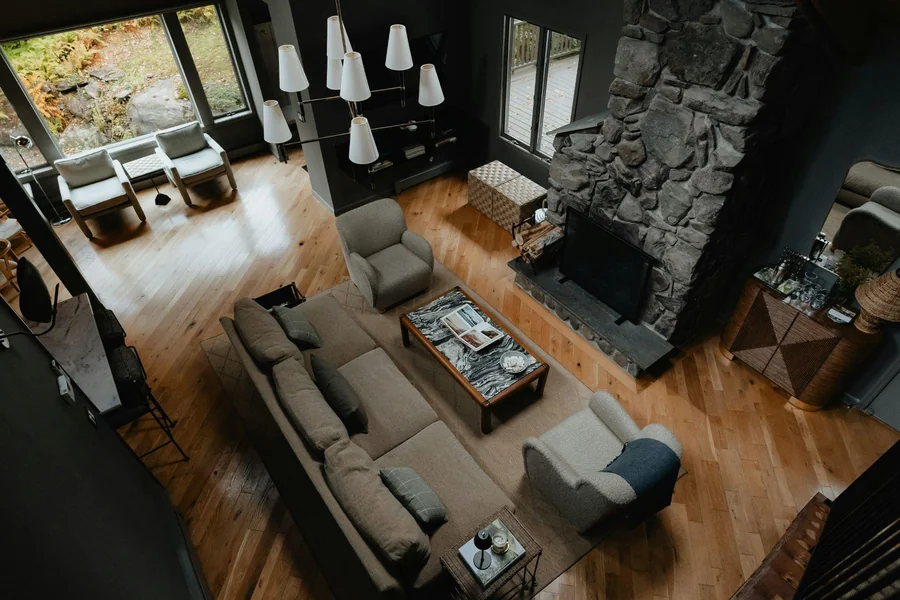
A refined room usually has enough empty space for individual objects to stand out.
Too many small accessories can make shelves, tables and consoles feel busy, even when each item is attractive on its own.
Instead, choose a few pieces with stronger shape, texture or personal meaning.
A sculptural lamp, large vase or framed artwork often has more impact than several smaller objects competing for attention.
This does not mean the room needs to feel minimal.
It simply means every visible item should feel as though it belongs there rather than filling space by default.
Pay More Attention to Textiles
Textiles can quietly raise the quality of a room.
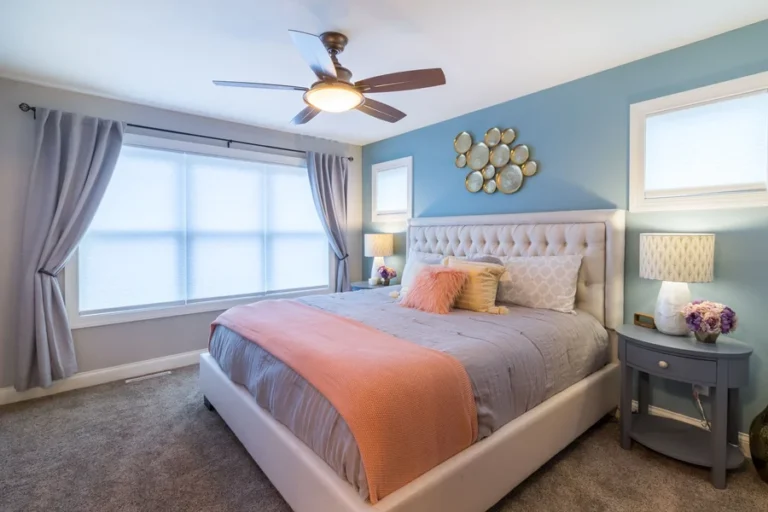
Curtains that reach the floor, a properly sized rug and cushions with more substantial fabrics can make the space feel more finished without requiring structural work.
Texture matters as much as colour.
Linen, wool, velvet and woven materials add depth, particularly in rooms built around neutral tones.
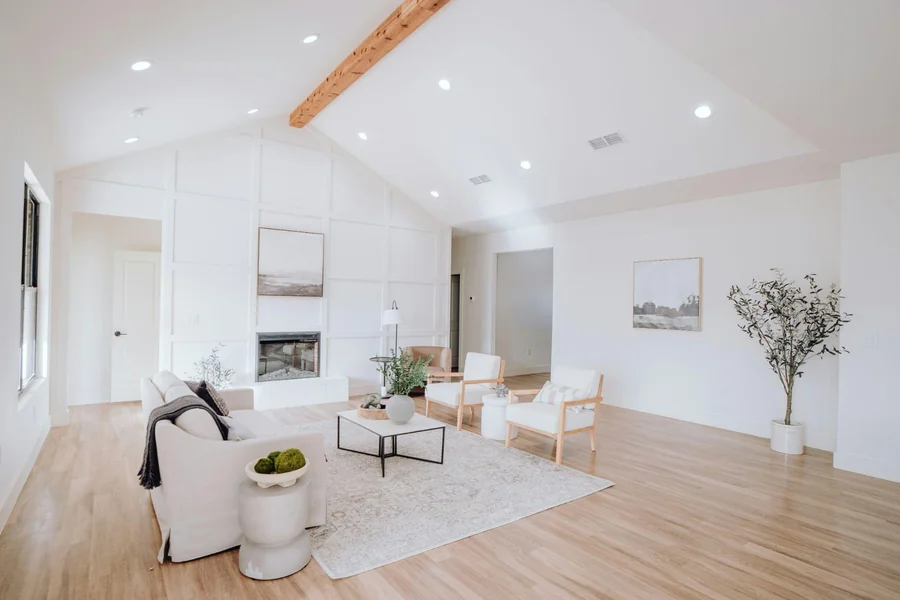
Scale matters too. A rug that is too small can make the furniture feel disconnected, while a larger one can visually bring the seating area together.
These details are easy to underestimate because they are familiar, but they influence the room constantly.
Improve the Areas That Create Visual Clutter
Even a beautifully decorated room can feel less polished when everyday clutter dominates the surfaces.
Entryways, kitchen counters and living-room storage are often the biggest offenders.
The solution is usually not more decorative storage but clearer systems.
A tray for keys, closed baskets for smaller items and a defined place for chargers or paperwork can remove visual noise without changing daily habits dramatically.
When surfaces stay clearer, the furniture, artwork and materials already in the room become more noticeable.
The organisation therefore contributes directly to the visual quality of the space.
Let Materials Repeat Across the Room
A room feels more cohesive when a few materials or finishes appear more than once.
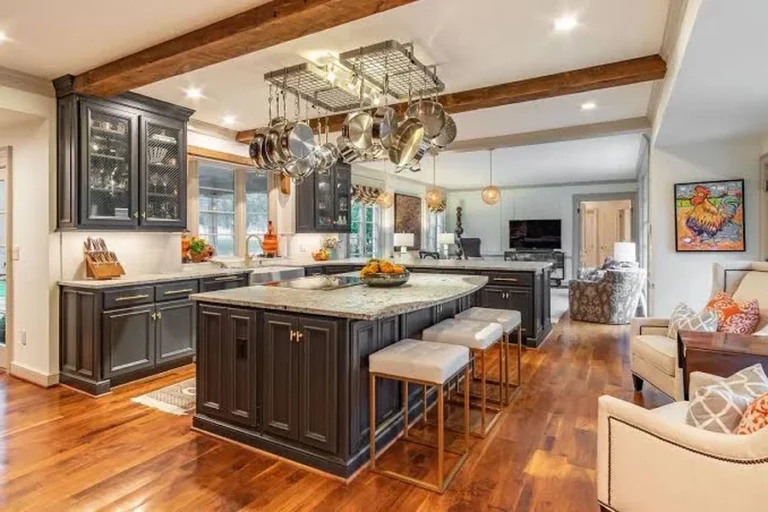
Black metal might show up in a lamp, table frame and picture frame. Warm wood can repeat across shelving and smaller furniture, while brass details may appear in lighting and hardware.
The repetition does not need to be exact.
The goal is to create subtle connections between different parts of the room.
That helps individual pieces feel related even when they were bought at different times.
Refined interiors rarely depend on everything matching perfectly. They work because the choices seem intentional.
A few repeated materials, stronger lighting and better control of colour and clutter can make an everyday room feel noticeably more polished without requiring a major renovation.