Michael Anthony’s Fortune After Van Halen: The Business Ventures Fans Never Hear About
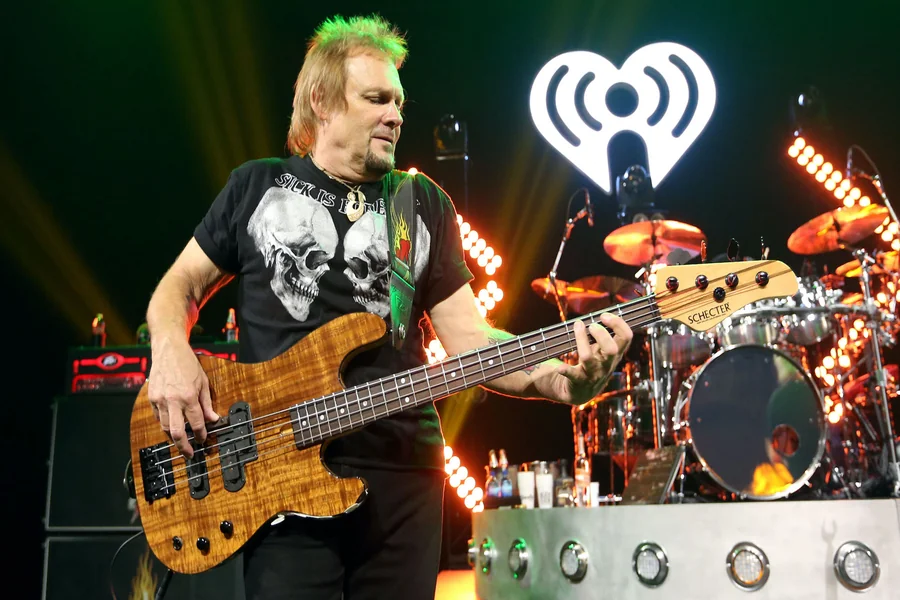
Most people remember Michael Anthony as the guy in the corner with the Jack Daniels bass, harmonizing behind Eddie Van Halen for three decades. Fewer know he spent the years since building something that has nothing to do with power chords. Wine. Real estate. A second act that looks less like rock retirement and more like a small business portfolio.
That’s the part PostlyPress’s own net worth breakdown doesn’t fully unpack. The number is one thing. Where the money actually goes once a musician stops touring full time is a different story, and Anthony’s version of it is worth a closer look.
The Wine Label Nobody Saw Coming
Anthony launched Mad Anthony Wines back in 2007, years before he’d left Van Halen for good. It wasn’t a vanity label slapped on a bottle to sell at merch tables. He partnered with actual Sonoma winemakers, put his name behind a Cabernet and a Zinfandel, and kept the operation running long after the band’s internal drama peaked.
Here’s the thing that surprises people. Musician wine brands usually flop within a few years. Anthony’s didn’t. It survived lineup changes, a Van Halen breakup, and Eddie’s death in October 2020. That’s not luck. That’s a business built with actual attention, not just a famous face on a label.
Compare that to most celebrity side ventures, which read like tax write-offs dressed up as passion projects. Anthony’s wine label reads more like an actual second career.
Real Estate as the Quiet Retirement Plan
Touring musicians face a specific problem once the stadium dates dry up. Income gets lumpy. One year you’re pulling in arena money, the next you’re doing acoustic sets at a casino ballroom for a fraction of the payout. Real estate smooths that out, and it’s why so many rock veterans from that era ended up owning property in warm-weather states.
Anthony has split time between California and Florida for years, and Florida in particular has become a landing pad for musicians looking to convert touring income into something that appreciates instead of evaporates. No state income tax helps. So does a housing market that, according to Federal Reserve Bank of Atlanta data, has outperformed national averages in several Sun Belt metros over the past five years.
It’s not just Anthony. Sammy Hagar owns property in Maui and Cabo. Alex Van Halen has kept a low profile but reportedly holds real estate outside California too. The pattern isn’t coincidence. It’s what financial advisors have been telling touring musicians since the 1990s: buy something that doesn’t depreciate the moment the tour bus stops.
What Retired Rock Musicians Actually Do With Their Downtime
Here’s where it gets less predictable. Ask what a 71-year-old former arena bassist does on a Tuesday afternoon in Florida, and the answer is rarely “writes another album.” It’s golf. It’s boating. For a lot of them, it’s a few hours at a casino, either the physical kind near Tampa or Orlando, or increasingly, an online session from a couch.
That shift toward online play isn’t unique to musicians, but it’s noticeable among the retired touring crowd specifically. They grew up around casino floors on the road (plenty of Van Halen-era arena tours ran through Vegas and Atlantic City), so the format feels familiar even when the venue changes. Fans who’ve followed this lifestyle shift and want to understand the legal landscape usually end up looking at lists with proper online casinos in FL, since Florida’s rules around online play are more layered than people expect and not every site operating there is doing so legitimately.
Worth a quick note here: gambling carries real financial risk, and nothing in a celebrity’s spending habits should read as encouragement to bet more than you can afford. If you or someone you know struggles with gambling, BeGambleAware.org and 1-800-GAMBLER are free resources.
Back to the bigger picture. This leisure spending pattern says something about how touring wealth actually gets used once the paychecks slow down. It’s not extravagant. It’s closer to what any retiree with disposable income does, just with better stories attached.
Session Musician Work Nobody Talks About
Anthony didn’t vanish from music either. He’s played sessions and toured with Sammy Hagar’s various projects (Chickenfoot, The Circle) for over a decade, and that work matters more to his finances than most coverage admits. Session and touring fees for a musician with his name recognition aren’t Van Halen money, but they’re steady, and steady beats spectacular when you’re managing a decades-long career instead of a five-year run.
There’s also the gear side. Anthony has had signature bass models with Yamaha and later Schecter for years. Signature instrument deals don’t generate headline-grabbing numbers, but they’re recurring, low-effort income that compounds over a career length most musicians never reach.
The Model Other Musicians Are Copying
What makes Anthony’s approach interesting isn’t any single venture. It’s the mix. Wine that took a decade to mature into a real brand. Property that appreciates whether or not he ever tours again. Session work that keeps him visible and paid without the grind of headlining. None of it depends on Van Halen nostalgia alone, which is smarter than it sounds, because nostalgia has an expiration date and mortgage payments don’t.
Younger touring artists watching this from the outside are, slowly, doing the same math. Fewer bands are betting everything on one album cycle. More are building the boring stuff early: property, small brands, session credits. Anthony didn’t invent that model. He’s just one of the clearer examples of it actually working.
Frequently Asked Questions
How did Michael Anthony make money after leaving Van Halen?
He built Mad Anthony Wines into a lasting Sonoma-based label, kept touring and recording with Sammy Hagar’s projects including Chickenfoot, held signature bass endorsement deals, and invested in real estate across California and Florida.
Is Mad Anthony Wines still operating?
Yes. The label launched in 2007 and has continued selling Cabernet and Zinfandel varietals well past the Van Halen breakup, longer than most celebrity wine brands typically survive in the market.
Why do so many retired musicians buy property in Florida?
No state income tax, a housing market that outpaced national growth in recent years, and a warm-weather lifestyle that suits touring veterans looking to settle down without fully retiring from public life.
Does Michael Anthony still perform live?
Yes. He continues touring and recording with Sammy Hagar’s various bands, including The Circle, and has remained active in session work well into his 70s.
What’s Michael Anthony’s estimated net worth in 2026?
Estimates put it around $50 million, built from three decades in Van Halen plus his wine business, real estate holdings, and ongoing music work with Hagar-led projects.
Anthony’s story is a decent blueprint for what a music career looks like once the big checks stop arriving on schedule. Wine, property, session work, none of it glamorous on its own, but together it’s why he’s still financially comfortable fifteen years after Van Halen effectively stopped being a functioning band.