
Why Children’s Clothing Costs Add Up So Quickly

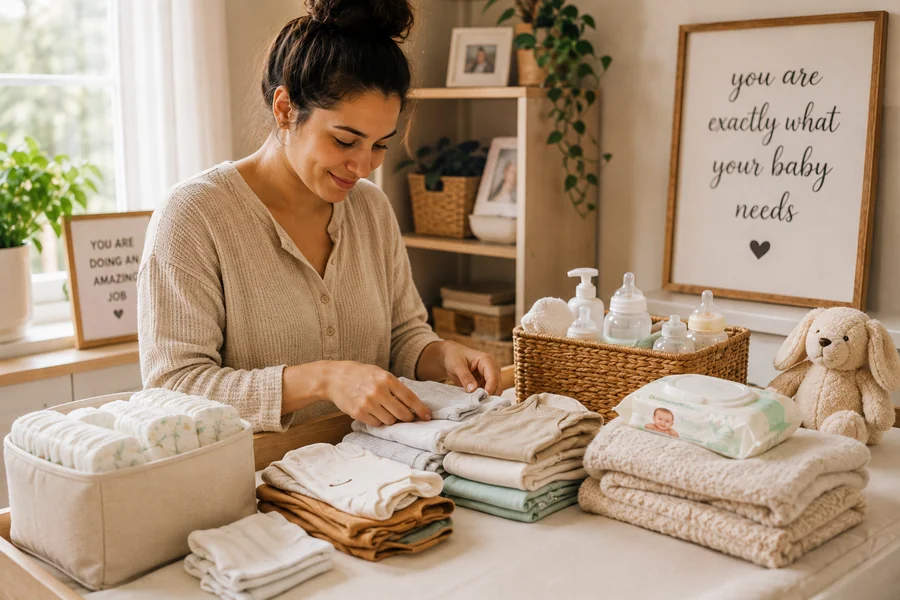
Buying clothes for children can feel like a never-ending expense. Just when a wardrobe seems complete, trousers become too short, shoes start feeling tight, and last season’s jackets no longer fit. Add changing weather, school activities, and the occasional growth spurt, and keeping children comfortably dressed becomes an ongoing challenge.
However, building a practical children’s wardrobe doesn’t necessarily mean spending more money. In many cases, thoughtful shopping decisions can make a bigger difference than the amount spent.
Understanding fabric quality, choosing versatile pieces, and considering how frequently an item will be worn can help parents make better purchases.
The key is to look beyond the price tag and think about the actual value each garment provides.
Why Children’s Clothing Costs Add Up So Quickly
Unlike adults, who may wear the same clothing size for years, children regularly need larger garments as they grow.
A sweater purchased in autumn might become too small before the following winter. Similarly, trousers that fit perfectly at the beginning of a school term may need replacing only a few months later.
Children’s clothing also experiences considerable wear. Running, climbing, crawling, and outdoor play place demands on fabric and stitching.
Frequent washing adds another challenge, particularly for garments exposed to food stains, mud, and everyday spills.
These factors make it important to distinguish between clothing that represents good value and items that simply appear inexpensive.
A lower purchase price isn’t always the most economical option if the garment quickly loses its shape or becomes uncomfortable.
Understanding Cost Per Wear
One useful way to evaluate clothing purchases is through the concept of cost per wear.
Rather than focusing exclusively on the initial price, consider how frequently a garment is likely to be used.
Imagine two pairs of children’s trousers. One costs €15 and is worn five times before becoming unsuitable. The other costs €30 but is worn thirty times.
The first pair costs €3 per wear, while the second costs €1 per wear.
This simple comparison illustrates why a higher upfront price doesn’t necessarily mean worse value.
Of course, the calculation is only an estimate. Children can unexpectedly outgrow clothing, and the number of times an item is worn cannot always be predicted.
Still, cost per wear encourages parents to think about practicality and expected use before making a purchase.
Fabric Quality Matters More Than Brand Recognition
Recognizable labels and attractive designs can influence purchasing decisions, but neither automatically guarantees quality.
A useful starting point is examining the material.
Cotton is commonly used in children’s clothing because it is generally soft and relatively easy to maintain. Fabrics containing a small amount of elastane can provide additional flexibility, particularly in leggings and fitted trousers.
For colder weather, suitable wool blends, fleece, and insulating fabrics may provide warmth.
However, the material composition alone doesn’t tell the complete story.
Parents should also consider how the fabric feels, whether seams are properly finished, and how the garment responds to washing.
Stitching around knees, pockets, and waistbands deserves particular attention because these areas frequently experience stress during everyday activities.
A thoughtfully constructed garment can offer better value than one chosen primarily for its appearance.
Shop According to Actual Needs
One of the easiest ways to overspend on children’s clothing is to shop without first checking what is already available.
Parents may purchase another sweatshirt because it looks appealing, only to discover several similar items already in the wardrobe.
Before buying anything new, review the clothes that still fit.
Separate garments that are regularly worn from those that are rarely used. Check which pieces need replacing and whether any seasonal essentials are missing.
Creating a short shopping list can make the process more focused.
For example, a child might need two pairs of everyday trousers and a waterproof jacket, rather than several complete outfits.
Parents looking for clothing inspiration can explore collections from retailers such as Name IT, a Danish children’s clothing brand offering garments for babies and older children.
Comparing different styles and clothing categories can help identify useful options, but the final decision should always reflect the child’s needs, existing wardrobe, and family budget.
Choose Clothes That Work Together
A versatile wardrobe can reduce the need for unnecessary purchases.
Instead of buying outfits that only work as matching sets, consider choosing garments that can be combined in different ways.
A neutral pair of trousers might work with several colorful T-shirts, while a comfortable cardigan can be worn over dresses, shirts, or casual tops.
This doesn’t mean children’s clothing needs to be plain or boring.
Bright colors, playful prints, and distinctive designs can still be included. The goal is simply to ensure that new purchases complement at least a few existing pieces.
When garments work together, getting dressed becomes easier, and parents may be less likely to purchase additional items simply to complete an outfit.
Avoid Buying Too Far Ahead
Buying children’s clothing in larger sizes can seem like a smart financial decision.
However, purchasing too far ahead creates several risks.
Children don’t always grow at a predictable rate, making it difficult to know exactly when a particular size will fit.
Seasonal timing can also cause problems. A heavy winter coat purchased in a larger size might fit during spring, when it is no longer needed.
Another consideration is changing preferences. Older children may develop strong opinions about colors, patterns, or styles.
A garment purchased a year earlier may no longer appeal to them when it finally fits.
Buying slightly larger sizes can be practical, particularly for everyday basics, but excessive advance shopping can create waste rather than savings.
Pay Attention to Comfort and Movement
Children spend much of their day moving.
Whether climbing playground equipment, sitting on classroom floors, or running around the garden, their clothing needs to support a wide range of activities.
A fashionable pair of trousers may look attractive but offer limited value if the waistband feels uncomfortable or the fabric restricts movement.
Similarly, a shirt with complicated buttons might be unsuitable for a younger child learning to dress independently.
Flexible waistbands, comfortable seams, and easy-to-use fastenings often provide practical advantages.
Parents should consider the child’s age and daily routine rather than selecting clothing solely based on current trends.
An item that feels comfortable and suits everyday activities is generally more likely to be worn regularly.
Learn When Sales Are Actually Worthwhile
Seasonal promotions can provide opportunities to save money, but discounts don’t automatically represent good purchases.
A jacket reduced by 50% may look tempting. However, if the child doesn’t need it or the size is unlikely to fit at the right time, the purchase offers little practical value.
The most useful approach is to identify genuine needs before browsing discounted products.
Compare the final price with alternatives and consider whether the quality and features meet expectations.
It’s also worth checking return policies, particularly when buying online.
A discounted garment that cannot be returned may become an unnecessary expense if it doesn’t fit.
The best sale purchase is usually something the family would have considered buying anyway.
Consider Secondhand Clothing
Children frequently outgrow garments before wearing them out.
As a result, secondhand clothing can be an economical option, especially for everyday basics and items needed for a relatively short period.
Parents may find suitable clothes through local exchanges, secondhand stores, online marketplaces, or relatives with older children.
Before purchasing, inspect the condition carefully.
Check for damaged seams, worn fabric, missing buttons, and faulty zippers.
Outerwear deserves additional attention because protective coatings and waterproofing may deteriorate with use.
Combining secondhand finds with selected new garments allows families to balance affordability, comfort, and individual preferences.
Proper Care Can Extend Clothing Life
Even well-made garments can wear out prematurely if they aren’t maintained correctly.
Following care labels is one of the simplest ways to preserve their condition.
Different fabrics require different washing temperatures, detergents, and drying methods.
Washing unnecessarily at high temperatures can contribute to shrinkage or color fading in some materials.
Turning printed garments inside out may also help reduce wear on decorative surfaces.
Small repairs can make a difference. A loose seam or missing button doesn’t always mean the entire garment needs replacing.
When clothes are maintained carefully, they may remain suitable for younger siblings or other children after the original owner outgrows them.
Teach Children to Value Their Clothes
Shopping decisions can also become an opportunity to teach children about responsible consumption.
As children grow older, parents can involve them in choosing clothing within an agreed budget.
Discussing why one garment is more practical than another helps introduce the idea that purchases involve trade-offs.
Children can also learn simple care habits, such as putting dirty clothes in the laundry basket, storing jackets properly, and recognizing when an item needs repairing.
These activities encourage responsibility without making clothing an unnecessarily serious subject.
It’s equally important to allow room for personal expression.
Children should have opportunities to develop their own preferences while learning that owning more items doesn’t automatically create greater happiness or confidence.
A Better Wardrobe Starts With Better Decisions
Keeping children comfortably dressed can be expensive, but thoughtful planning can help families manage those costs.
Rather than focusing exclusively on discounts or brand names, parents can evaluate clothing based on fit, durability, versatility, and expected use.
A smaller collection of well-chosen garments may provide more practical value than a larger wardrobe filled with rarely worn items.
Checking what is already available, considering secondhand alternatives, and maintaining clothes properly can further reduce unnecessary spending.
Ultimately, shopping smarter isn’t about buying the cheapest children’s clothing or avoiding fashionable designs.
It’s about choosing garments that children genuinely enjoy wearing, that support their daily activities, and that make financial sense for the family.
When those priorities come together, a practical and stylish children’s wardrobe becomes much easier to maintain.