
How Do Air Conditioning Repairs Help When a Thermal Expansion Valve Starts Restricting Refrigerant Flow?

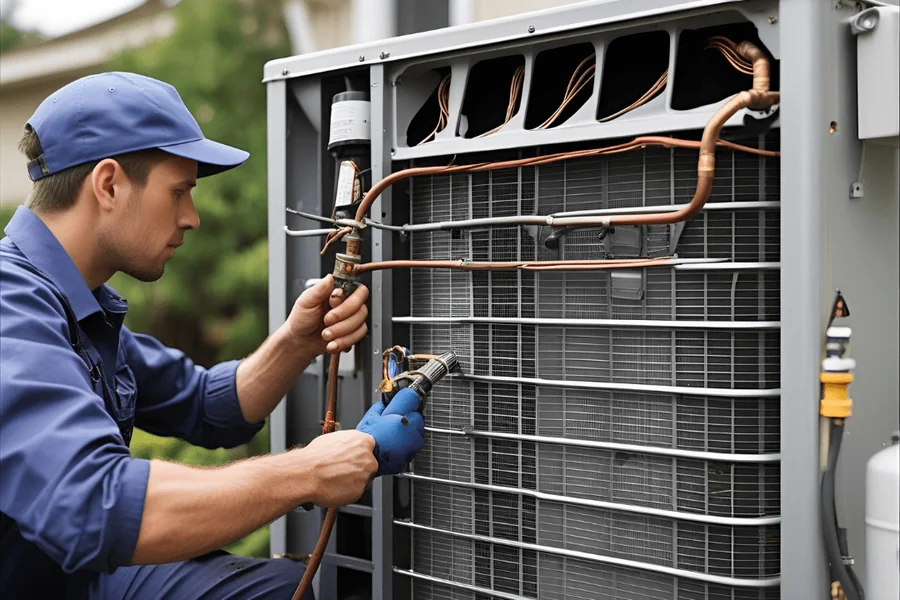
A thermal expansion valve controls how much liquid refrigerant enters an evaporator coil as cooling demand changes. When the valve begins restricting flow, the air conditioner may continue running while capacity gradually declines. Rooms can take longer to cool, supply air may feel less effective, and parts of the evaporator coil may become unusually cold. These symptoms can resemble low refrigerant charge, airflow trouble, or compressor problems, making careful diagnosis important. Air conditioning repairs help separate a valve restriction from other faults by measuring temperatures, pressures, superheat, and system behavior before any component is replaced or refrigerant adjustments are made.
Tracking Refrigerant Flow Through the Cooling Cycle
1. Superheat Readings Can Reveal a Starved Evaporator
A restricted thermal expansion valve can prevent enough refrigerant from entering the evaporator, leaving the coil starved even though the compressor continues pulling vapor toward the outdoor unit. One useful clue is unusually high superheat, particularly when refrigerant pressure and coil behavior support the same diagnosis. Homeowners arranging air conditioning repairs in Tuscumbia from Price Heating & Air can have refrigerant measurements compared under stable operating conditions rather than assuming low cooling always means the system simply needs more refrigerant. Technicians can measure suction pressure, line temperature, indoor load, and other operating conditions to determine whether the evaporator is receiving the refrigerant it requires. This distinction is important because adding refrigerant to a system with a restricted valve may not correct the underlying problem and can create additional operating concerns. By evaluating superheat along with other measurements, repair work can focus on whether the valve is truly limiting refrigerant flow or another condition is producing similar symptoms.
2, The Sensing Bulb and Equalizer Need Careful Inspection
The thermal expansion valve responds to evaporator conditions through a sensing bulb attached to the suction line. If that bulb becomes loose, loses proper contact, is positioned incorrectly, or is affected by missing insulation, the valve may receive misleading temperature information and meter refrigerant improperly. Some systems also use an external equalizer that helps the valve respond to pressure conditions at the evaporator outlet. Air conditioning repairs can include inspecting bulb placement, attachment, insulation, equalizer connections, and valve response before concluding that the valve body itself has failed. This matters because a valve that appears restricted may actually be reacting to inaccurate sensing conditions. Technicians can also observe whether the valve changes refrigerant flow as load conditions shift. Correcting bulb contact or another external issue can sometimes restore proper control without replacing the entire metering device. Evaluating these related components provides a more complete picture of why refrigerant is not entering the evaporator at the rate needed for normal cooling.
3. Contamination or Moisture Can Create Intermittent Restrictions
A thermal expansion valve can also become restricted when debris, wax, moisture, or other contamination interferes with its small internal passages. Some restrictions remain present continuously, while others appear and disappear as system temperatures change. Moisture inside a refrigeration circuit can freeze near the metering point and temporarily block flow, then melt after the equipment shuts down. That pattern may cause cooling to weaken, recover, and fail again without an obvious electrical problem. Air conditioning repairs help identify these changing conditions by comparing pressures and temperatures over time rather than relying on a single reading. If contamination is suspected, technicians may need to evaluate filter driers, refrigerant condition, previous repair history, and evacuation procedures. Simply replacing the valve without addressing contamination can allow the same problem to return. Proper repair therefore involves finding why the restriction developed, protecting the refrigeration circuit from additional debris or moisture, and confirming that clean refrigerant can move through the metering device consistently after corrective work.
4. Coil Temperature Patterns Help Confirm the Restriction
A restricted valve changes how refrigerant spreads through the evaporator, which can create uneven coil temperature patterns. The area near the refrigerant inlet may become very cold while other sections receive too little refrigerant to absorb heat effectively. Under certain operating conditions, frost may appear near the valve or distributor while the rest of the coil remains comparatively warm. Air conditioning repairs can use temperature measurements, pressure readings, and visual inspection to determine whether this pattern matches a metering restriction. Technicians should also evaluate indoor airflow because dirty filters, blower problems, and blocked ducts can create coil icing that looks similar from a homeowner’s perspective. Refrigerant charge must also be considered because an undercharged system can produce high superheat and reduced cooling. Comparing several measurements prevents one symptom from controlling the diagnosis. When the evidence consistently points toward restricted metering, the valve and related refrigerant circuit can be addressed without overlooking airflow or charge conditions that might otherwise lead to an incorrect repair.
5. Stable Operation Should Be Verified After Valve Work
After a thermal expansion valve restriction is corrected, the air conditioner should be operated long enough for refrigerant conditions to stabilize. Air conditioning repairs can then verify suction pressure, liquid line conditions, superheat, subcooling, supply air temperature, and evaporator performance. This final testing helps confirm that refrigerant is moving through the valve at an appropriate rate and that the coil is absorbing heat across its full surface. Technicians can also watch for frost, unusual pressure changes, or signs that another restriction remains elsewhere in the circuit. If the system was opened during repair, proper evacuation and refrigerant charging are also important because moisture or incorrect charge could create new problems. A successful valve repair should restore predictable refrigerant flow rather than only produce a temporary drop in indoor temperature. Complete operating verification helps confirm that the metering device is responding correctly as cooling demand changes and that the compressor is receiving refrigerant conditions consistent with normal system operation.
Restoring Controlled Refrigerant Flow and Cooling
Air conditioning repairs are important when a thermal expansion valve restricts refrigerant because several other problems can produce similar symptoms. High superheat, uneven coil temperatures, weak cooling, and unusual frost patterns need to be evaluated alongside airflow, refrigerant charge, sensing bulb condition, and possible contamination. Accurate measurements help determine whether the valve is truly restricting flow before changes are made to the refrigeration circuit. Once the underlying cause is corrected, stable operation should be confirmed across a complete cooling cycle. Restoring proper metering allows the evaporator to receive refrigerant according to demand, supporting more consistent heat absorption and dependable cooling performance.