How to Read a Vallejo Dispensary Menu: Formats, Labels, and Dosing That Make Sense
Walking into a dispensary for the first time can feel like stepping into a new language. Product walls list THC percentages, terpene profiles, and ratios. Jars, cartridges, gummies, and tinctures promise very different experiences. If you are shopping in Vallejo, learning how to translate a California dispensary menu will help you pick products that fit your day, your tolerance, and your setting. This guide focuses on practical decisions: matching delivery method to timing, decoding labels like mg per serving versus THC percentage, using cannabinoids and terpenes to narrow choices, and forming a dosing plan that avoids common redosing mistakes.
1. Decide the Effect You Want, Then Filter by Cannabinoids and Terpenes
Start with your objective: smooth social energy, focused daytime creativity, post work relaxation, or deeper sleep. On most menus, this translates to how you combine cannabinoids and terpenes. THC drives intoxication, while CBD can soften intensity and add balance. Terpenes add character: limonene often pairs with bright, upbeat effects; myrcene is associated with heavier body calm; pinene may support a clearer head; linalool is frequently found in products aimed at rest. Look beyond broad “sativa” and “indica” tags and scan the actual THC/CBD numbers and any listed dominant terpenes to align with your goal.
Local menus, including the one at the Vallejo Relief Center dispensary, typically let you filter by potency, strain type, or form factor. Use those filters to remove categories that do not fit your plan. For example, if you want a low key hike companion, favor a vape cart with moderate THC and citrus forward terpenes over a high THC infused pre roll intended for heavy sedation. If better sleep is the target, a 1:1 THC edible or a tincture labeled with myrcene or linalool may be a better starting point than a racy, high limonene cartridge.
2. Match Delivery Method to Timing and Setting: Flower, Vapes, Edibles, Tinctures, Topicals
Delivery dictates both onset and duration. Inhalation (flower or pre rolls, or a 510 thread vape cartridge) generally kicks in within minutes and lasts a couple of hours. It is easier to “titrate” a few puffs, wait 10 to 15 minutes, and add more. The tradeoff is odor and equipment: flower requires a grinder and lighter; vape carts need a charged battery and are more discreet but can feel stronger per puff than expected. Edibles (gummies, chocolates, beverages) have a delayed onset, often 45 to 120 minutes, and can last 4 to 8 hours. That long tail is great for sustained relief but unforgiving if you overshoot the dose.
Tinctures placed under the tongue sit between the two: many users feel effects within 15 to 45 minutes, especially with oil or alcohol based formulas designed for sublingual absorption, and duration typically falls in the 3 to 6 hour range. Topicals (balms and transdermal patches) are largely non intoxicating on the skin, useful for localized application, though patches can deliver cannabinoids systemically. Choose your form based on where you will be and how long you need it to last. A social backyard barbecue might call for a few measured puffs from a vape; a long flight or movie night may favor a low dose gummy with a clear mg per piece label.
3. Decode California Labels: THC Percentages, mg per Serving, Ratios, and COAs
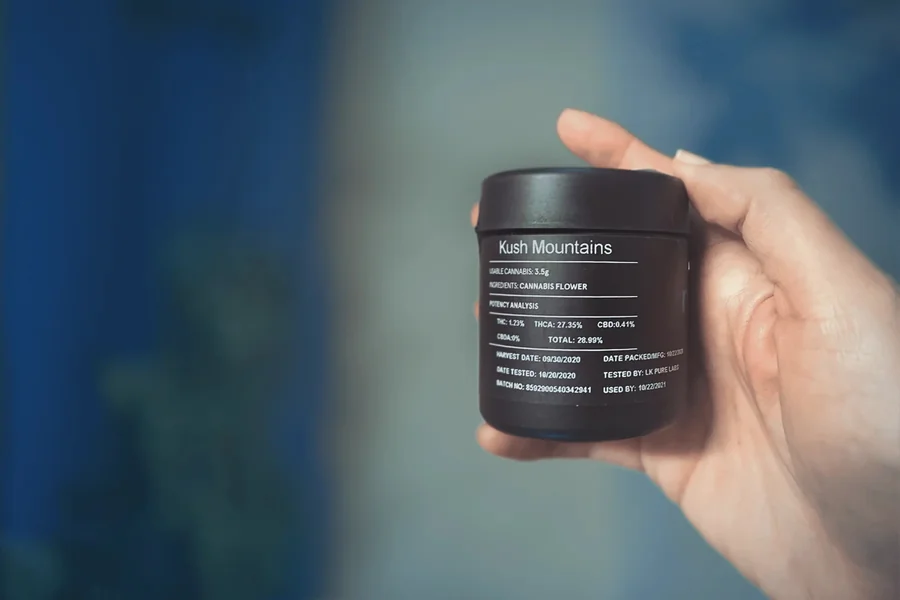
Label math matters. Flower lists THC as a percentage by weight, like 23 percent THC, and sometimes total cannabinoids. That number does not translate to an edible’s milligrams; it simply signals potential potency of the flower, not a guaranteed effect. Edibles and beverages use milligrams per serving and per package, such as 5 mg THC per gummy and 100 mg per bag. Many beginners mistakenly compare a 30 percent flower to a 10 mg edible; those are different units entirely. For edibles, focus on mg per piece. For vapes, look at total mg in the cartridge (often 500 mg or 1,000 mg oil) and any THC/CBD ratio listed.
Ratios can help you dial intensity. A 1:1 THC tincture offers a balanced profile; 2:1 or 4:1 CBD dominant options typically feel gentler. Scan for harvest dates on flower and manufacturing dates on manufactured goods; fresher products generally preserve terpenes better. Check for the universal California THC symbol on edibles, a batch number, and the QR code or link to the Certificate of Analysis (COA). The COA verifies lab testing for potency and contaminants like pesticides, residual solvents, and microbial impurities. If the label or menu lists terpene percentages (for example, 1.5 percent myrcene and 0.8 percent limonene), use that to predict character rather than chasing the single highest THC number.
4. Build a Beginner Dosing Plan and Avoid Redosing Traps
A practical starting point for inhalation is one or two puffs, then wait 10 to 15 minutes before deciding on more. A simple mistake is stacking multiple large hits in under five minutes, which can lead to dizziness or anxiety. For edibles, beginners often do well at 2.5 to 5 mg THC; some prefer 1 to 2 mg “microdoses,” especially when combined with CBD. The redosing trap is taking more at the 30 minute mark because you “do not feel it yet,” only for the first dose to peak after an hour. Give edibles at least two hours before adding more. Have a light snack and hydrate; taking edibles on an empty stomach can accentuate the come up.
Two realistic scenarios illustrate the point. If you are headed to a Saturday art walk, a 2.5 mg THC gummy with a matching 2.5 mg CBD (a 1:1) taken an hour before leaving can provide a mild lift without overpowering you for the afternoon. If you are seeking deeper sleep, a tincture measured to 5 mg THC with myrcene forward labeling taken 45 minutes before bed is a controlled trial. In both cases, write down the product name, THC/CBD numbers, any dominant terpenes, dose, and timing. Next time, you will have a log to adjust by small increments rather than guessing.
Checkout, Storage, and Local Rules That Keep Purchases Safe
Bring a valid, government issued ID and a backup payment method; dispensaries frequently accept cash and may offer debit options. Expect child resistant packaging and an exit bag at checkout, which you should keep for reuse. Follow state purchase limits and local consumption laws: no driving under the influence, and do not open cannabis in public places. Store products in a locked, cool, and dark spot away from kids and pets; heat and light degrade terpenes and can dry out flower. Keep vape devices clean, upright, and away from extreme temperatures to avoid leaks, and recycle batteries responsibly at drop off points when they reach end of life.
The more precisely you match your goal with a delivery method, label details, and a measured dose, the more predictable your experience will be. Think in terms of timing (onset and duration), intensity (THC/CBD numbers), and character (terpenes), then use your notes to refine. Avoid the common pitfalls of chasing only the highest THC, comparing percentages to milligrams, or redosing edibles too soon. With a clear plan and a few careful trials, a Vallejo dispensary menu becomes a set of useful tools rather than a wall of jargon.