Doing Your Own Hair and Makeup for a Big Event? Practice These Steps First
Doing your own hair and makeup for a wedding, party, graduation, or another important event can save money and give you more control over how you look. The challenge is that a routine that works perfectly on an ordinary morning may feel very different when photographs, heat, nerves, and several hours of wear are involved.
The best way to avoid last-minute problems is to rehearse the full look before the event. That gives you time to adjust products, timing, and technique while there is still room to change your mind.
Practice Your Eye Look Before the Day It Matters
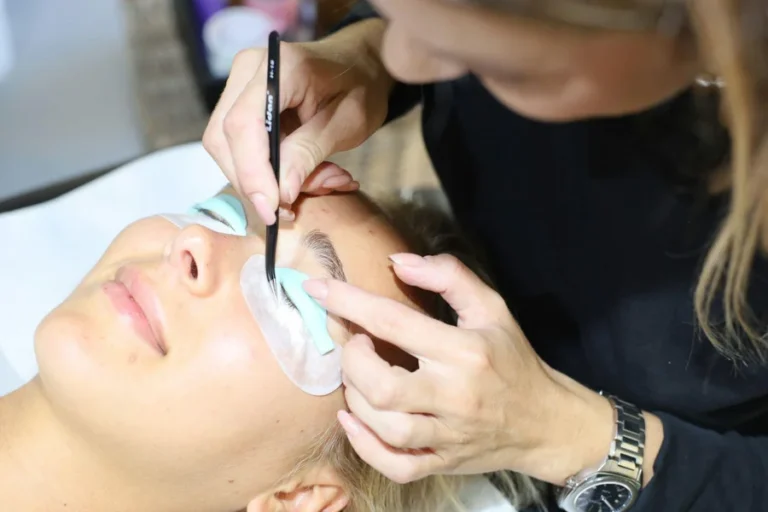
Eye makeup is one of the easiest parts of a special-event routine to underestimate. A liner shape that takes five minutes one day may take twenty when you are rushing, and false lashes can become frustrating if you have not practiced applying them.
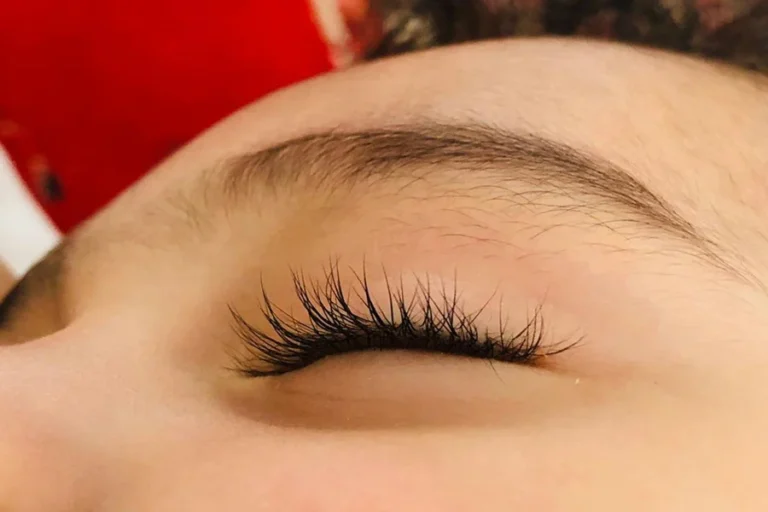
If you want extra definition without committing to a full strip lash, trying the best tested lash clusters in advance gives you time to work out placement, length, and how many clusters create the effect you want.
Do at least one complete trial rather than practicing only one eye. Wear the finished look for several hours and check whether anything lifts, smudges, or starts feeling uncomfortable.
Take photos in daylight and artificial light too. Eye makeup can look balanced in the mirror but much heavier or lighter in photographs.
Test Your Hair Routine From Start to Finish
Hair often takes longer than expected because preparation matters just as much as styling. Wash timing, drying, heat styling, products, clips, and finishing touches all affect the final result.
If you are working with oils, smoothing products, or treatments from brands such as Rennora Beauty, test them before the event so you know how much your hair needs and whether they work better before styling or as a finishing step.
Rehearse the exact hairstyle rather than something similar. If you plan to curl your hair, time the full process. If you want an updo, check whether it still feels secure after several hours.
This also tells you whether the style works with your outfit, earrings, neckline, and any veil, headpiece, or accessories you plan to wear.
Build the Base for Longevity, Not Just the First Hour
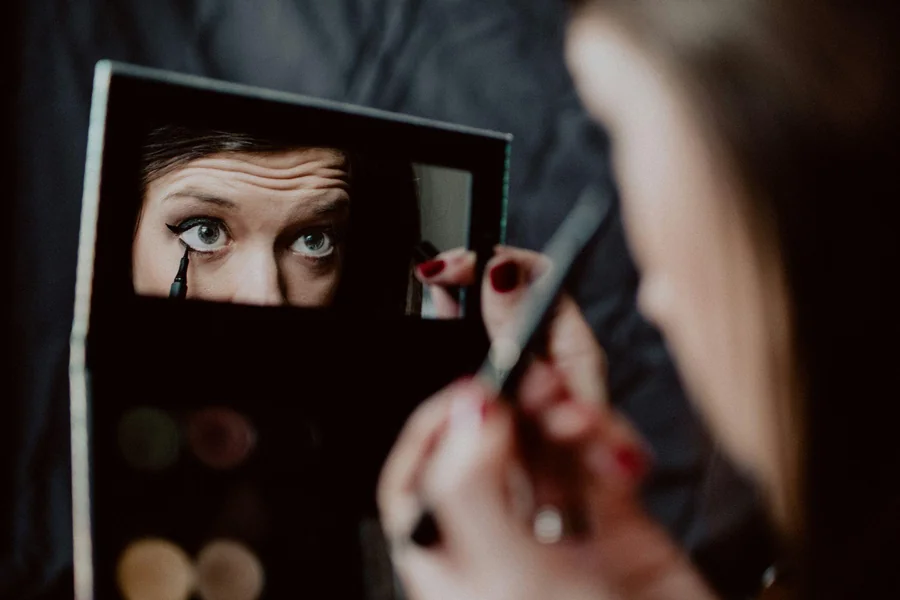
Special-event makeup needs to look good when you first finish it, but it also needs to survive the rest of the day.
Practice your skincare and base products together. A moisturizer that works well on its own may cause foundation to separate, while too many layers underneath makeup can create pilling or excess shine.
Apply your normal foundation, concealer, powder, and setting products, then wear them through several hours of ordinary activity. Pay attention to the areas where makeup disappears first, such as around the nose, chin, or under the eyes.
Avoid introducing several new complexion products at once right before the event. It is much easier to adjust one familiar routine than troubleshoot an entirely new combination on the morning itself.
Time the Entire Routine Once
One of the most useful rehearsals has nothing to do with technique. It is simply finding out how long everything actually takes.
Do your hair, skincare, makeup, lashes, and final touch-ups in the order you expect to use on the event day. Include small tasks such as cleaning brushes, waiting for products to dry, fixing mistakes, and getting dressed carefully afterward.
Then add extra time.
A routine that takes ninety minutes in a calm practice session can easily take longer when people are messaging you, someone needs the bathroom, or you suddenly decide one side of your hair looks wrong.
Knowing your real timing lets you create a schedule that feels comfortable instead of spending the final twenty minutes rushing through the most visible details.
Make Sure the Look Works With Your Outfit
Hair and makeup should be tested with the rest of the look, not treated as separate projects.
Try on the outfit after completing at least one rehearsal. Check whether the neckline changes how the hairstyle looks, whether earrings compete with the hair, and whether your makeup feels balanced with the color and formality of what you are wearing.
If the outfit has to go over your head, think about when you should get dressed. It may be easier to put it on before finishing hair and makeup, or use a robe or button-up top during preparation so you do not disturb the finished look.
Photograph the complete combination from several angles. Sometimes a hairstyle that looks beautiful from the front loses its shape from the side, or makeup that feels dramatic in person looks exactly right once paired with formal clothing.
Prepare a Small Touch-Up Kit
Even a well-tested look may need minor adjustments after several hours.
Pack only what you are realistically likely to use: lip color, powder or blotting sheets, a few hairpins, a small mirror, lash adhesive if necessary, and whatever product you need for quick hair touch-ups.
Avoid carrying your entire makeup collection. A compact kit is easier to use and much less likely to disappear into the bottom of a large bag.
Think about the specific weaknesses you noticed during your practice run. If lipstick faded quickly, bring it. If your hair stayed perfectly secure for eight hours, you probably do not need six styling products with you.
The purpose of the kit is reassurance, not recreating the whole routine halfway through the event.
Doing your own hair and makeup can feel far less stressful when the event day is not the first time you have tried the finished look. Practice the difficult steps, test how everything wears, time the full routine, and make adjustments while there is still no pressure.
By the time the day arrives, getting ready should feel familiar rather than experimental.