
Exploring the Timeless Craft of Mechanical Watches

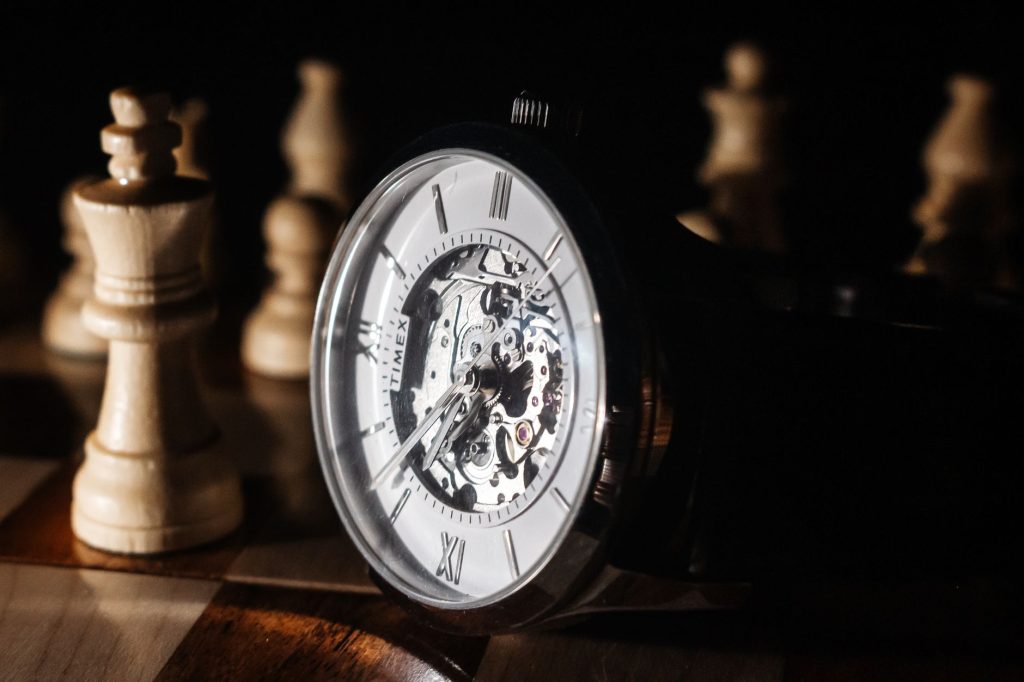
Mechanical watches represent a remarkable intersection of art, engineering, and tradition. Unlike their quartz counterparts, which rely on battery-powered movements, mechanical watches operate purely through intricate mechanical components. This feature not only highlights the remarkable craftsmanship behind each piece but also preserves a centuries-old tradition of horology that continues to fascinate enthusiasts and collectors around the world.
The Origins of Mechanical Watches
The history of mechanical watches dates back several hundred years, evolving alongside advances in technology and precision engineering. Early timepieces were bulky and imprecise, often reserved for nobility and the wealthy. However, the gradual miniaturisation of movements and improvements in gear systems allowed the creation of portable watches that became accessible to a broader audience. These historical developments laid the foundation for the mechanical watches admired today for their blend of utility and artistry.
The Anatomy of a Mechanical Watch
A mechanical watch is composed of multiple components working in harmony to measure and display time. These parts include the mainspring, gear train, escapement, balance wheel, and dial train. The mainspring stores the energy, which is then transmitted through the gear train to power the watch’s hands. The escapement regulates the release of this energy, ensuring consistent movement. This sophisticated mechanism is entirely mechanical, requiring no electricity or batteries.
Manual vs. Automatic Movements
There are two primary types of mechanical watches: manual wind and automatic. Manual wind watches require the wearer to wind the crown regularly to tighten the mainspring and maintain power. In contrast, automatic watches feature a rotor that winds the mainspring using the natural motion of the wearer’s wrist. Both types exhibit unique qualities and appeal to different preferences among watch enthusiasts.
The Art of Craftsmanship
Mechanical watches are celebrated not only for functionality but also for the skill required to design and assemble them. Each component must be precisely engineered to fit into a compact case and work flawlessly with the rest. Watchmakers meticulously assemble tiny gears and springs by hand, often under magnification, to ensure optimal performance. This careful attention to detail and dedication to quality distinguishes mechanical watches from mass-produced timepieces.
The Role of Materials
The materials used in mechanical watches contribute significantly to their durability and aesthetic appeal. Traditional watchmakers utilise high-grade metals such as stainless steel, gold, and platinum for cases and gears. Synthetic rubies serve as jewel bearings that reduce friction, enhancing the movement’s longevity. These materials, combined with expert assembly, create timepieces capable of lasting several generations with proper care.
Why Mechanical Watches Remain Relevant
In an age dominated by digital technology, mechanical watches continue to command respect due to their enduring craftsmanship and elegance. Owning a mechanical watch often signifies an appreciation for tradition, mechanical ingenuity, and luxury. Furthermore, the mechanical watch market has experienced a resurgence, driven by collectors and individuals seeking a connection to horological history.
Mechanical Watches as Collector’s Items
Many mechanical watches gain value over time, especially those produced by renowned manufacturers or limited editions. This trend has spurred a thriving collector community that actively trades, restores, and preserves vintage models. The continued demand supports the sustainability of traditional watchmaking techniques and encourages innovation within the craft.
Maintenance and Longevity
Mechanical watches require regular maintenance to ensure accurate timekeeping and component longevity. Regular servicing every three to five years is recommended, involving cleaning, lubrication, and calibration. Unlike quartz watches, which generally require less upkeep, mechanical watches depend on precise adjustments and high-quality care to maintain their functionality.
Wearing and Storing Mechanical Watches
Proper handling and storage also influence the lifespan of mechanical watches. Keeping the watch wound, protecting it from shocks, and avoiding exposure to extreme temperatures or magnetic fields can prevent mechanical failure. Collectors often store watches in dedicated cases that control environmental factors and provide protection.
Modern Innovations in Mechanical Watchmaking
While the fundamental principles behind mechanical watches remain unchanged, modern technology has introduced innovations that enhance their performance and endurance. Contemporary watchmakers integrate advanced materials such as silicon in certain movement parts to reduce friction and magnetic interference. These advancements coexist with traditional techniques, preserving the artisanal value while improving reliability.
Design Trends in Mechanical Watches
Mechanical watch design encompasses a broad range of styles, from classic to contemporary. Many brands focus on transparent case backs or skeleton dials that expose the intricate movements within, allowing wearers to appreciate the complexity of the mechanism. Others emphasise minimalist aesthetics or incorporate complications such as chronographs, moon phases, and tourbillons, highlighting technical prowess.
Choosing a Mechanical Watch
When selecting a mechanical watch, consumers should consider factors such as movement type, case material, brand reputation, and price range. It is advisable to explore collections that offer a comprehensive range of designs and functionalities. For those interested in acquiring authentic mechanical watches, established retailers provide expert guidance and assurance of quality.
The Investment Value of Mechanical Watches
Beyond their aesthetic and functional appeal, mechanical watches often hold or increase in value over time. Investing in well-crafted mechanical timepieces can serve as both a personal treasure and a financial asset. Awareness of market trends and limited edition releases can assist buyers in making informed decisions.
Conclusion
The timeless craft of mechanical watches represents a fusion of technical mastery and artistic expression. Despite the prevalence of digital alternatives, mechanical watches continue to captivate through their complex inner workings, heritage, and the meticulous care involved in their creation. For enthusiasts and collectors alike, these timepieces offer more than just timekeeping; they embody a legacy of innovation and exquisite craftsmanship passed down through generations.