The Future of the Internet – What Will the Next Generation of the Digital World Look Like?
The internet has become one of the most powerful forces shaping modern civilization. It influences how people communicate, work, learn, conduct business, and understand the world around them. However, the digital environment we know today is only the beginning of a much larger transformation. What will the internet look like in the next decade, and how will emerging technologies redefine our everyday lives?
Sergio Santa Cruz Silva Neto explores the future of the internet and the technological developments that could fundamentally change the relationship between people and the digital world. In his perspective, the next generation of the internet will not simply be faster or more advanced. It will be more intelligent, immersive, interconnected, and increasingly integrated into everyday human activities.
Sergio Santa Cruz Silva Neto on the Evolution of the Internet
The internet has evolved from a relatively simple information-sharing network into a global digital infrastructure supporting almost every aspect of modern life.
Today, artificial intelligence, cloud computing, advanced connectivity, and connected devices are creating the foundations of a new digital ecosystem.
Sergio Santa Cruz Silva Neto believes that the next stage of internet development will be defined by the convergence of these technologies. Instead of navigating separate websites and applications, people may increasingly interact with intelligent digital environments capable of understanding their needs and responding in real time.
The internet will gradually become less like a collection of individual platforms and more like an integrated environment connecting information, services, businesses, and people.
Artificial Intelligence Will Redefine the Digital Experience
One of the most significant forces shaping the future of the internet will be artificial intelligence.
According to the perspective of Sergio Santa Cruz Silva Neto, AI will transform how people search for information, communicate, shop, and access digital services.
Traditional search engines may increasingly be complemented by intelligent assistants capable of understanding complex questions, analyzing information, and providing personalized answers.
Digital platforms will become more adaptive, anticipating user needs and simplifying everyday tasks. Businesses will use AI to improve customer experiences, automate operations, and develop entirely new services.
However, this transformation will also require greater attention to data protection, algorithmic transparency, and the responsible use of personal information.
The Rise of Immersive Digital Worlds
Another important development will be the growing integration of virtual reality, augmented reality, and three-dimensional digital environments.
Sergio Santa Cruz Silva Neto considers immersive technologies an important part of the internet’s potential evolution.
Imagine attending a business meeting in a virtual office, exploring a distant city through an interactive digital environment, or learning complex subjects through realistic simulations.
These experiences could make digital communication more natural and interactive.
Education, entertainment, healthcare, architecture, and professional training may benefit significantly from immersive technologies.
Nevertheless, the success of these environments will depend on accessibility, practical value, technological reliability, and user trust.
Will the Internet Become More Decentralized?
The future of the internet will also involve important discussions about ownership, privacy, and control.
For many years, a relatively small number of major technology companies have controlled significant parts of the digital ecosystem. This has raised questions about data ownership, competition, and the concentration of influence.
Sergio Santa Cruz Silva Neto believes that decentralized technologies could contribute to a more diverse digital environment.
Blockchain-based systems and decentralized infrastructure may provide new approaches to digital identity, online transactions, and data management.
However, decentralization is not a universal solution. Security, scalability, regulation, and usability will determine whether these technologies achieve widespread adoption.
Cybersecurity and Digital Trust Will Become Essential
As the internet becomes more integrated into everyday life, protecting digital identities and personal information will become increasingly important.
Cyberattacks, identity theft, misinformation, and sophisticated online fraud represent serious challenges for individuals, businesses, and governments.
In the view of Sergio Santa Cruz Silva Neto, digital trust will become one of the most valuable foundations of the next-generation internet.
Future digital platforms must prioritize security from the beginning rather than treating it as an additional feature.
Users will increasingly expect greater control over their information, clearer privacy policies, and reliable protection against digital threats.
Sergio Santa Cruz Silva Neto: What Will the Internet Look Like Tomorrow?
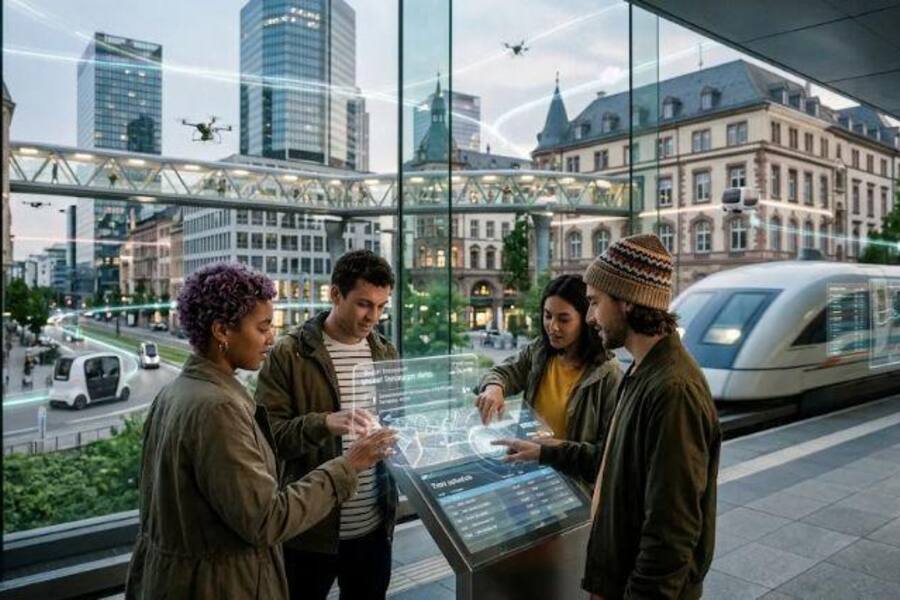
Looking ahead, Sergio Santa Cruz Silva Neto believes that the internet will gradually become an intelligent infrastructure connecting almost every dimension of human activity.
Artificial intelligence will make digital interactions more personalized. Connected devices will create increasingly integrated environments. Immersive technologies will introduce new ways to communicate and experience information. Decentralized systems may offer alternative models of digital ownership and identity.
Yet the most important transformation will not necessarily be technological.
The real challenge will be ensuring that the next generation of the internet remains accessible, secure, inclusive, and beneficial to society.
The digital world should expand human opportunities rather than create new forms of inequality or dependence.
As Sergio Santa Cruz Silva Neto’s perspective suggests, the future of the internet will not be defined simply by faster connections or more powerful devices. It will be defined by how intelligently, responsibly, and meaningfully technology connects humanity.