Revolutionising Automation with Advanced Computing Solutions
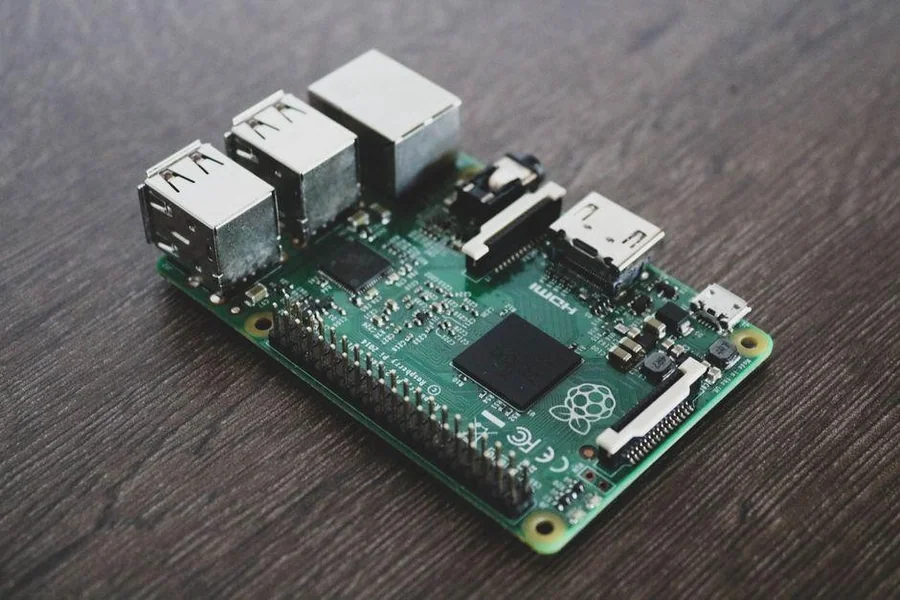
The modern era of automation thrives on the robust capabilities of the industrial single board computer, a marvel of compact engineering that packs immense processing power into a small, efficient form factor. These computers are foundational to the transformation of custom industrial applications, offering unprecedented flexibility and reliability that help drive innovation across an array of sectors.
The Evolution of Single-Board Computers
Single-board computers (SBCs) represent a significant evolution from traditional computing systems. Originating from the need to miniaturise and economise computing hardware, SBCs incorporate an entire computer on a single circuit board, complete with a microprocessor, memory, input/output features, and other vital peripherals. This design not only conserves space but also reduces power consumption, making it ideal for industrial applications where efficiency and stability are paramount.
Unpacking the Industrial Advantages
Industrial SBCs stand apart from their consumer counterparts due to their durability and enhanced capabilities tailored for demanding environments. Built to withstand harsh conditions, these devices operate in extreme temperatures, high electromagnetic interference zones, and areas subjected to mechanical stress. This ruggedness ensures uninterrupted operation, vital in critical mission-control and industrial surveillance systems.
Application in Automated Systems
The integration of industrial single-board computers into automated systems represents a paradigm shift in manufacturing and logistics. These computers facilitate precise control and monitoring of complex processes, ensuring improved productivity and reduced human error. Their compact size allows easy integration into machinery, robotics, and distributed sensor networks, thereby enabling real-time data processing and decision-making essential for industrial automation.
Enhancing Connectivity and Integration
One of the standout features of industrial SBCs is their ability to enhance connectivity through a myriad of interfaces, such as Ethernet, USB, and serial ports, along with cutting-edge wireless options like Wi-Fi and Bluetooth. These connectivity capabilities ensure seamless integration with other devices and systems, underpinning the interconnectedness of modern industrial environments. With IoT gaining traction, industrial SBCs serve as pivotal nodes, gathering and processing data at the edge of networks, thereby expanding operational scopes and capabilities.
Operating System Versatility
The flexibility of industrial SBCs extends to software, with support for multiple operating systems such as Linux, Windows, and real-time OS options. This versatility allows developers and engineers to choose the best platform that suits the specific requirements of their applications, whether that’s running complex algorithms or managing real-time data streams. Open-source platforms, in particular, offer a cost-effective and adaptable solution, poised to benefit from community-driven enhancements and support.
Security and Reliability
In the world of industrial computing, security and reliability are non-negotiable. Industrial SBCs are engineered with these priorities in mind, featuring advanced security protocols that safeguard operations from cyber threats. Built-in redundancy and failure recovery measures further ensure that these systems offer a reliable backbone for critical industrial processes. This assurance of high availability is particularly crucial in sectors such as healthcare, energy, and transportation, where uptime directly impacts safety and efficiency.
Customisation and Scalability
The ability to customise industrial SBCs to fit bespoke application requirements adds another layer of appeal. With modular options and expandable interfaces, these computers can be adapted and scaled according to the evolving needs of industries. This flexibility not only supports present demands but also prepares systems for future innovations, facilitating a seamless pathway for upgrading and expanding capabilities without overhauling entire infrastructures.
Power Efficiency and Cost-Effectiveness
Energy consumption and cost management are key concerns in industrial settings. Industrial single-board computers address these issues through their power-efficient designs and lower total cost of ownership. Their ability to perform complex computational tasks with reduced energy input results in significant cost savings, contributing to the sustainability goals of modern businesses.
The Future Landscape
As technology continues to advance at a rapid pace, industrial SBCs are set to further influence the landscape of industrial computing. Emerging trends such as artificial intelligence and machine learning are likely to benefit from the processing power of advanced SBCs, enabling more autonomous and intelligent systems. Moreover, developments in material science and semiconductor technologies promise even smaller, faster, and more efficient boards, pushing the boundaries of what these devices can achieve.
In conclusion, the role of industrial single-board computers is indispensable in the progression towards smarter and more efficient industrial systems. Through their robust design, advanced capabilities, and unparalleled adaptability, they form the cornerstone of a future where automation and efficiency are harmoniously intertwined.