Repair or Replace? A Camas Homeowner’s Decision Framework for HVAC Systems
Camas weather swings between damp, chilly winters and increasingly warm summer days, so your HVAC system carries a year-round workload. When comfort slips, or utility bills climb, many homeowners face a familiar question: should you keep repairing the system, or is it finally time to replace it? This guide offers a practical framework you can use before calling a technician. By tracking specific symptoms, understanding which component failures change the decision, weighing Camas climate factors that affect efficiency, and ensuring ducts and sizing are addressed, you can choose a solution that protects comfort without overspending.
-
Symptoms You Can Track Before You Decide
Some clues are more than minor annoyances. Rooms that never quite warm up or cool down, weak airflow at distant registers, longer runtimes, or frequent short cycling can point to airflow or capacity problems. Excessivee outdoor coil icing, a furnace that repeatedly locks out, or supply air that feels unusually lukewarm under load can also signal a problem that deserves attention. Rising electric or gas bills without a major lifestyle change, unusual blower noises, or breakers that trip during peak operation may indicate that the system is struggling.
If you notice these patterns, document when they occur and note the outdoor temperature at the time. That context can help a technician evaluate refrigerant performance, static pressure, blower operation, controls, and other system conditions rather than chasing isolated symptoms. When you need professional evaluation or a clearly scoped replacement proposal, look for local providers that handle both diagnosis and installation so you can compare your options, such as companies offering HVAC repair and installation in Camas.
-
Component Failures That Tilt Repair Versus Replacement
Not all breakdowns carry the same weight. Major failures involving a compressor, furnace heat exchanger, or heavily deteriorated evaporator coil can make replacement worth discussing, especially when the system is already older. These components are central to system operation and can involve substantial labor and material costs.
By contrast, issues involving an inducer motor, capacitor, igniter, condensate safety switch, or certain control components may be more practical to repair when the rest of the equipment remains in good condition.
Refrigerant type can also affect the decision. Older systems that use R-22 can be more expensive to service because new production has ended and available refrigerant is limited. If an aging system also has recurring leaks or compressor problems, replacement may become more practical than repeated repairs.
Consider two realistic scenarios. In the first, an older R-22 heat pump has recurring refrigerant loss and a compressor showing signs of serious wear. Even after a major repair, the homeowner would still have older coils, controls, and refrigerant-related limitations. In the second scenario, a relatively newer gas furnace has a failed inducer motor while the heat exchanger and other major components remain in good condition. A targeted repair may restore reliable operation without requiring complete replacement.
-
Camas Climate: How Efficiency and Comfort Interact
Camas has long stretches of moderate weather when HVAC equipment operates under partial load. Variable-capacity equipment can perform well in these conditions by running longer at lower output, which may reduce temperature swings and improve comfort compared with equipment that operates only at full capacity.
Heat pumps also enter defrost cycles during colder weather to remove frost from the outdoor coil. Depending on the system design, supplemental heat may operate during portions of this cycle. Equipment efficiency, controls, airflow, and system configuration all influence how smoothly these transitions occur.
During warmer summer weather, properly sized equipment that runs steady cooling cycles may provide more consistent comfort than an oversized system that cools quickly and shuts off repeatedly.
A multilevel home with uneven temperatures, for example, may benefit from equipment that can modulate capacity when paired with properly balanced ductwork. However, replacing the outdoor unit alone won't fix airflow problems caused by undersized returns, duct leakage, or poor distribution.
-
Ducts, Filtration, and Sizing Decide More Than the Logo
Even high quality equipment can underperform when ducts are leaky, undersized, or restricted by inadequate return airflow. A Manual J load calculation estimates a home's heating and cooling needs. At the same time, a Manual D duct review helps determine whether the supply and return system can deliver the required airflow.
High static pressure can result from damaged flex duct, restrictive filter arrangements, undersized returns, or other airflow limitations. A highly restrictive 1 inch filter in a small filter rack may reduce airflow enough to contribute to comfort and equipment problems.
If improved filtration is a priority, a deeper media cabinet may provide greater filter surface area with less resistance than a restrictive shallow filter, depending on the system design.
Avoid closing multiple supply registers to force more air into other rooms. This can increase duct pressure and reduce total system airflow.
A better solution may involve improving return pathways to closed bedrooms, sealing accessible duct leakage, adjusting balancing dampers, or correcting blower settings within manufacturer limits.
Zoning can help in some homes, but it must be designed carefully so the system maintains acceptable airflow and static pressure as individual zones open and close.
-
Planning Installation Day to Protect Performance
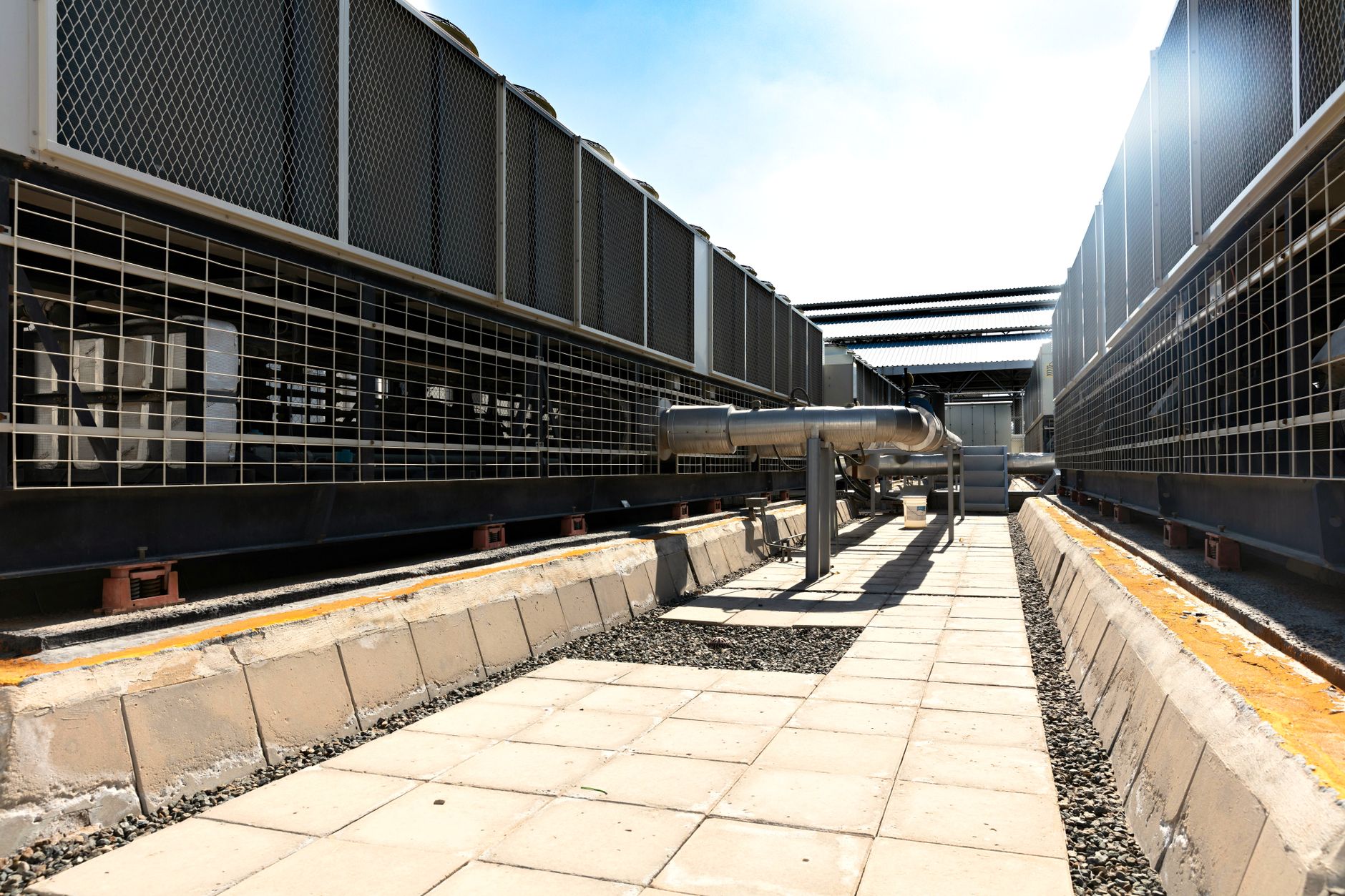
When replacement makes sense, installation quality strongly influences the performance of the new equipment. The outdoor unit should have proper airflow clearance, stable support, and appropriate drainage around the pad.
Refrigerant piping should be sized and installed according to manufacturer requirements, and insulation should be intact where needed. Refrigerant work, brazing, evacuation, charging, and other sealed system procedures should be completed by qualified HVAC professionals using approved practices.
Condensate drainage should also be configured correctly, particularly for equipment installed in attics or other areas where an overflow could damage the home. Depending on the installation, appropriate safety switches and secondary drainage protection may be required.
Smart thermostat upgrades should match the HVAC equipment and electrical controls. Gas furnaces also require proper venting, combustion air, and safety testing per the manufacturer's instructions and applicable codes.
Homeowners can help reduce installation delays by clearing access to attic, crawlspace, indoor, and outdoor equipment areas and keeping pets away from the work zone.
-
Protect the New System After Installation
After installation, follow the manufacturer's guidance for filter inspection and replacement. New construction or remodeling dust can load a filter faster than expected, so checking it during the early weeks may be worthwhile.
Keep the condensate drainage area accessible, listen for unusual airflow noise, and note any rooms that remain consistently warmer or cooler than the rest of the home.
Regular maintenance can help technicians monitor coil condition, blower operation, controls, refrigerant system performance, and static pressure before extreme weather arrives.
Keep basic equipment documentation in one place, including model and serial numbers, filter size, thermostat information, warranty details, and service records. These details can make future maintenance and repairs more efficient.
Make the Decision Based on the Whole System
Deciding whether to repair or replace an HVAC system does not have to be guesswork. Track specific symptoms, identify the failed component, and consider how the age and condition of the remaining equipment affect the value of a repair.
Camas weather patterns, duct capacity, filtration, return airflow, and equipment sizing should all factor into the decision because comfort depends on the entire system, not the equipment badge alone.
If the answer is unclear, ask for a load calculation, airflow measurements, and a written scope that explains any duct, filtration, control, or commissioning work included with replacement.
When repair is the more practical path, a targeted fix can restore reliable service. When replacement makes more sense, properly selected and carefully installed equipment can provide steadier comfort through damp winters and increasingly warm summer afternoons.