Wrist Splint: Uses, Benefits, and How It Supports Wrist Health
During our day to day activities, we rarely think about our wrists, until typing an email or even holding something becomes painful. The wrist is made up of a complex combination of joints, ligaments, tendons and muscles.
They might look small but govern basic hand movements. When these structures become inflamed due to any injury, arthritis or repetitive stress, immobilization is often the first line of defense.
People often turn to a readily available support option of wrist splint. A wrist splint is a specialized orthopedic device designed to stabilize these joints. They gently ease the arising stress and tension of the area.
This guide outlines the primary uses of wrist splints, benefits they offer and the best practices for incorporating them safely into a recovery routine.
Let’s dive in!
What Is A Wrist Splint?
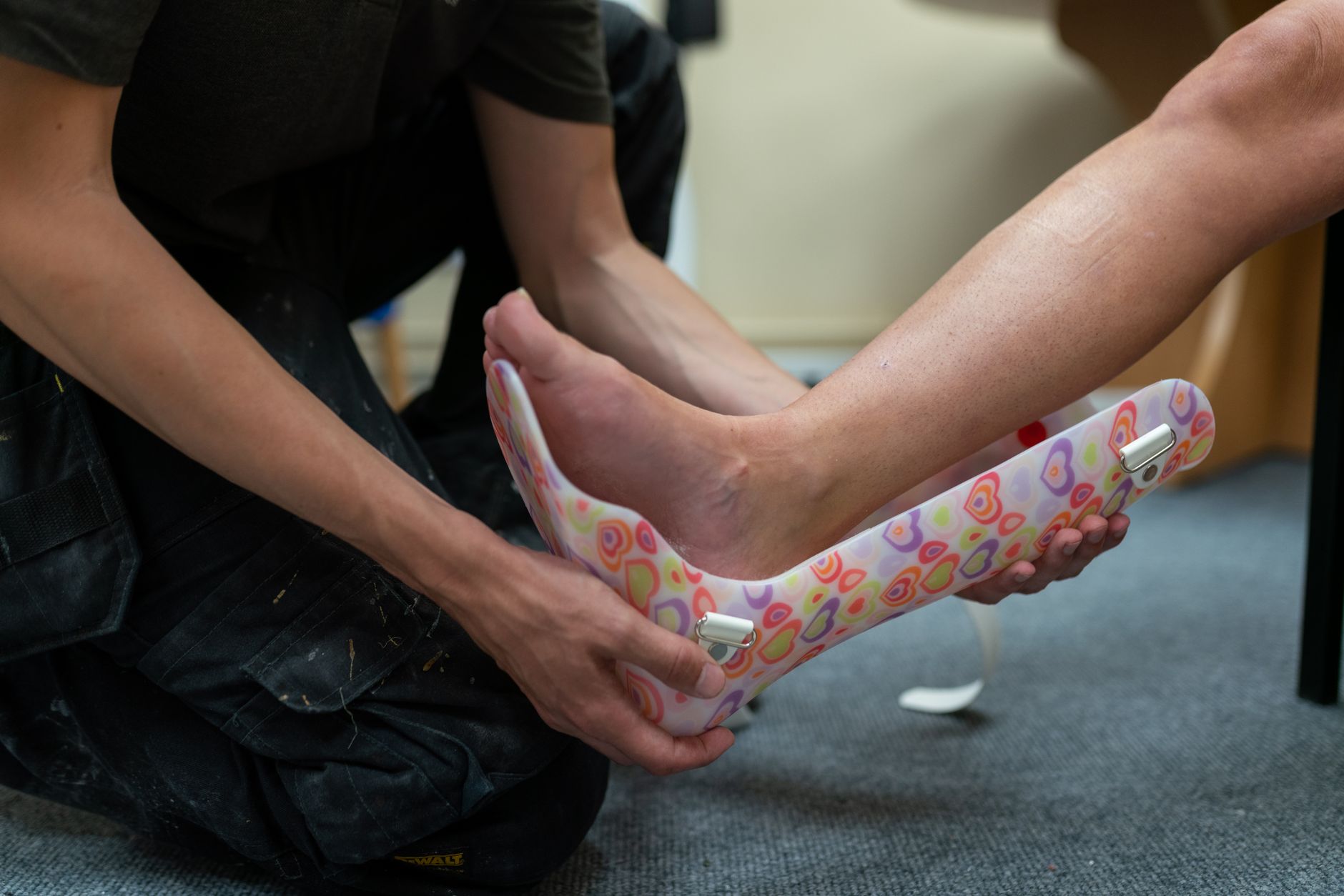
A wrist splint is a specialized orthopedic support device which is designed to keep the wrist in a neutral position. It acts as an external stabilizer to restrict harmful movements such as extreme bending or twisting while allowing the fingers and thumb to move freely.
Key Components of a Wrist Splint
-
Rigid Stay or Palmar Support
Most splints feature a solid plastic or metal bar that runs along the side of the wrist to prevent joints from bending inward.
-
Flexible Fabric
The main body is usually made of breathable, padded materials like neoprene, nylon or mesh designed for comfortable extended wear.
-
Adjustable Straps
They use velcro straps to personalize the tightness and compression level for a supportive fit.
How It Works?
When tissues present in the wrist become damaged, any movement can cause an injury and pain. It works by immobilizing the wrists which takes the workload away from the muscles, tendons and ligaments.
This reduction in mechanical stress lowers inflammation, relieves nerve pressure and gives the body a stable environment to heal itself.
Benefits Of A Wrist Splint
-
Reduced Inflammation and Swelling
The joint immobilization allows irritated tendons and ligaments to rest, which naturally reduces the localized swelling and heat.
-
Immediate Pain Relief
By restricting extreme bending, the splint eliminates the movements that can trigger sharp pain.
-
Prevents Re-injury
Many people subconsciously curl their wrists while sleeping which can compress nerves and tendons present in the area. Wearing a splint at night keeps the wrist straight, preventing morning numbness and stiffness.
-
Faster Tissue Healing
Constant movement creates micro tears in healing tissues. A splint holds the area and allows damaged muscles, ligaments and tendons to repair efficiently.
-
Maintained Daily Functionality
A standard splint leaves the fingers and thumb completely free to perform basic daily tasks like typing, using a phone or holding utensils while keeping the wrists safely protected.
-
Nerve Decompression
For some specific conditions, keeping the wrist straight maximizes the space inside the carpal tunnel which instantly reduces pressure on the median nerve.
5 Primary Uses Of A Wrist Splint
The primary purpose of a wrist splint is to provide stability and rest to the joint. Immobilization is a highly effective first line defense for conditions like:
1. Carpal tunnel syndrome
Compression of the nerve present in the wrist that causes tingling pain and numbness in the hand. A wrist splint holds the joint in a neutral and straight position. This maximizes the space present inside the carpal tunnel and relieves pressure on the nerve.
2. Strain
Overuse from repetitive movements such as typing or heavy lifting leads to tiny tears and painful inflammation in the tendons. A wrist splint restricts repetitive bending, forcing the wrist to relax and gives rest to inflamed tendons.
3. Sprains
A sudden impactful stretch can tear the ligaments or supporting areas around the joint. The wrist splint acts as an external support which keeps the damaged tissues stable so they can be together without being reinjured by sudden movements.
4. Arthritis
Cases of osteoarthritis and rheumatoid arthritis lead to swelling and stiffness in the wrist area. By minimizing the joint movement, wrist splint leads to reduction of friction between the bones.
5. Post Surgery Recovery
The surrounding muscles can become weak after surgery. Wrist support provides protection against any reinjury while rebuilding the strength with the help of physical therapy.
Tips For Using One Correctly
1. Position it Perfectly
- Align the metal bar.
- Keep the wrist straight or slightly back bended.
- Check the thumb and fingers movement.
- The splint should cut off just below the knuckles.
- Adjust the tightness by pulling the velcro straps.
- Perform the finger test where you can easily slide one finger under the straps.
2. Manage Your Wearing Schedule
- Unless a doctor suggests, do not wear the splint for prolonged time.
- Put the splint on during activities that typically cause pain.
- Prioritise night wear.
3. Proper Hygiene
- Take it off frequently to remove the trapped sweat and heat.
- Remove the metal bar and hand wash the fabric with mild soap, then let it air dry completely before use.
Wrapping Up
A wrist splint offers straightforward and effective support for a wide range of wrist issues from carpal tunnel syndrome to post surgical recovery. By limiting the motions that aggravate the joints, it gives irritated nerves, tendons and tissues time to heal. When used with the right fit, at the right times, a splint can evenly distribute the pressure. It limits the irritation of the nerves, while improving the comfort and function.
If the symptoms don't reduce even after using the splint, consult with your doctor about the underlying condition. Incorporate light movement along with the proper use of time to aid healing of the wrist.