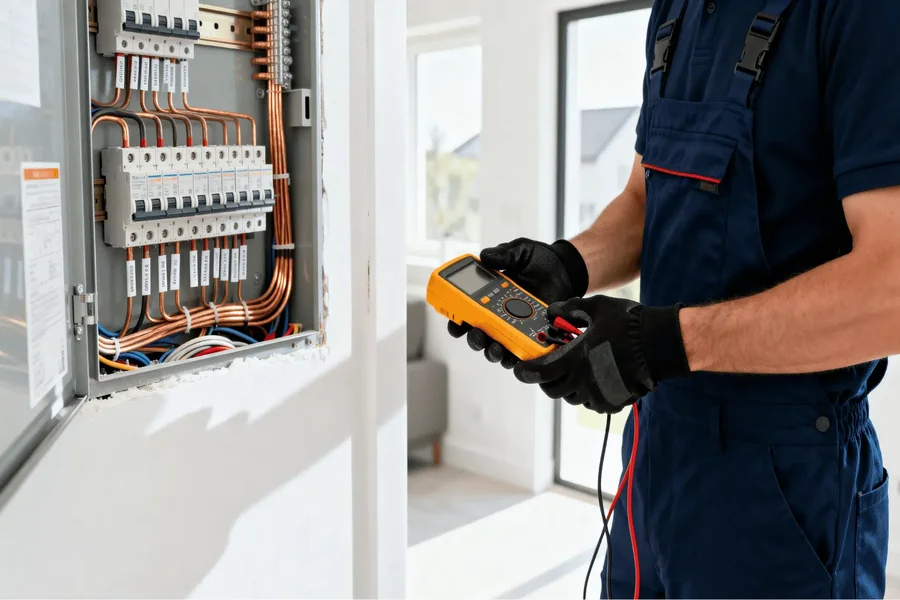
Subpanel, Panel Replacement, or Service Upgrade? Matching Home Electrical Capacity to Modern Loads
Adding a Level 2 EV charger, replacing a furnace with a heat pump, or switching to an induction range can push a home’s electrical system beyond its design limits. Many houses still rely on older main panels with limited breaker spaces and modest ampacity. When lights dim during appliance startup or breakers trip when you cook and run the dryer, the right fix isn’t always obvious. Should you add a subpanel, replace the main panel, or upgrade the entire service from the utility? This article explains how load, space, and service entrance constraints drive that decision, so you can plan a code-compliant upgrade that fits both today’s use and future projects.
1. Start With a Real Load Calculation, Not Guesswork
A proper load calculation totals your existing and planned demand, then applies demand factors for general lighting, small appliance circuits, and large fixed equipment. Include nameplate ratings for 240 volt loads like an EV charger, heat pump air handler, condensing unit, electric range, tankless water heater, and hot tub. Continuous loads such as EV charging and baseboard heat require extra capacity headroom, and some appliances cannot share circuits by code. The calculation often reveals that “space” in the panel is not the same as “capacity” from the service. Depending on those numbers, the fix may be as simple as adding a subpanel or as involved as a service upgrade; in other cases, services such as Reliant Electric panel replacement can restore safe capacity.
Two quick indicators suggest a calculation is overdue. First, if your main breaker is 60 or 100 amps and you plaa 40-ampto add an EV charger (40 amps and a heat pump, you are likely beyond safe margins. Second, if your panel is full and relies on a patchwork of tandem breakers, the limitation may be physical space rather than amperage. Sorting these out early prevents you from paying for work that doesn’t solve the bottleneck.
2. When a Subpanel Solves the Space Problem
A subpanel is essentially a secondary load center fed by a breaker in the main panel. It adds breaker spaces without changing the home’s service ampacity. Subpanels shine when load calculations show your existing 150- or 200-amp service is adequate, but your main panel has no open spaces or isn’t listed for more tandem breakers. For example, a renovated kitchen may need separate 20-amp small appliance circuits, a dedicated microwave circuit, and a 240-volt induction range. Pulling a 60- to 100-amp feeder to a neatly mounted subpanel can provide those slots while keeping wiring organized and accessible.
Details matter. A four-wire feeder (two hots, neutral, equipment grounding conductor) is required; neutrals in the subpanel must be isolated from grounds, and the enclosure location should allow working clearance and a straight feeder path. The tradeoff is that a subpanel does nothing for a service that is already near its ampacity limit; it simply provides more places to land circuits. If your calculation shows the main is undersized, a subpanel is the wrong tool and can mask an underlying capacity issue.
3. When Full Panel Replacement Is the Safer Path
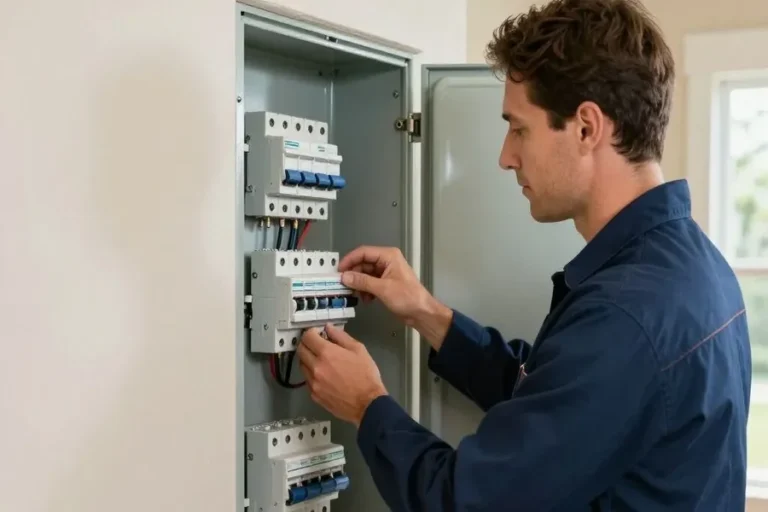
Replacing a main panel is appropriate when the enclosure is damaged, corroded, or too small for modern breakers, or when old breakers no longer trip reliably. A new panel can provide more full-size spaces, accept current AFCI/GFCI breakers, and make room for a whole-home surge protective device on the bus. It also allows fresh labeling, proper lug torque, and correctly sized feeders for large appliances. If your existing service conductors and meter base are in good shape and the load calculation fits the existing ampacity, panel replacement can resolve crowding and safety concerns without changing the service size.
One caveat: panel replacement alone rarely increases the home’s amp rating. If you keep the same service entrance conductors, meter socket, and main breaker size, you still have, for instance, a 100-amp service, just with a cleaner, safer panel. That can be perfect for a home where the bottleneck is equipment condition and breaker space, not total demand. But if the calculation shows you need more than the existing service can deliver, pair a replacement with a service upgrade.
4. When a Service Upgrade Is Necessary
Service upgrades increase the ampacity delivered to the home, often from 60 or 100 amps to 150 or 200 amps. They typically involve a new main panel, larger service entrance conductors, a correctly sized main breaker, and a compatible meter base. Overhead services may need a new mast and weatherhead to meet height clearances; underground services can require trenching and new conduit. The grounding electrode system is often updated at the same time by bonding to the water piping and installing driven ground rods. Because the utility must coordinate the cutover, these projects require planning, permits, and a scheduled outage.
Consider a common scenario: a home with a 100-amp service adds a 40-amp EV charger, a heat pump with electric backup, and a hot tub. Even with diversity, those loads can push real-world demand above what a 100-amp service comfortably supports, especially during cold snaps when heating and charging overlap. In that case, a service upgrade provides more ampacity and physical space, and it prevents the temptation to cram in tandem breakers or double-lug conductors just to make room.
Avoid These Common Pitfalls During Capacity Projects
Several mistakes create hazards or undermine capacity gains. Installing tandem breakers where the panel is not listed for them can overheat the bus bars and void listings. Double lugging neutrals under a single terminal can loosen connections and cause arcing. In subpanels, bonding the neutral bar to the enclosure violates code; keep neutrals isolated and connect equipment grounds to a bonded ground bar instead. Multi-wire branch circuits require handle ties or a two-pole common trip breaker. Planning for a solar backfeed breaker and the panel’s bus rating prevents crowding or bus overloading later when you add PV.
Another scenario: during a kitchen remodel, a homeowner adds two small appliance circuits and an induction range, then finds that AFCI/GFCI breakers will not fit because the old panel is shallow and already full. Swapping in unlisted tandems or sharing neutrals to “make it work” leads to nuisance trips and excessive heat at terminals. The durable fix is either a subpanel with clear labeling or a new main panel with adequate full-size slots. After any upgrade, check labeling, verify lug torque with a calibrated tool, and consider an infrared scan after a few weeks of typical use to confirm connections are running cool.
A right-sized plan starts with a true load calculation. It ends with the correct scope: a subpanel for space, a panel replacement for condition and compatibility, or a full service upgrade when ampacity is the limiting factor. Consider future additions such as a second EV charger, a shop with 240-volt tools, or rooftop solar, and reserve bus space for a surge protective device. Coordinate permits and utility scheduling early to cut downtime. With the load, physical space, and service entrance addressed in the right order, your home’s electrical system can safely power modern appliances without surprise trips or overheated connections.