
Legal Ways to Determine Liability in Truck Accident Cases
A truck crash can look simple from the outside, but responsibility often sits behind several layers. The driver may have made a mistake, but a company, repair shop, loader, or equipment maker could also have played a part.
Finding who is liable for a truck accident requires more than pointing at the person behind the wheel. Records, physical evidence, company practices, and safety rules can reveal what led to the crash. The goal is to build a clear picture from facts instead of assumptions.
Let’s look at the legal ways to examine responsibility and see where the evidence points carefully.
Start With the Evidence From the Crash
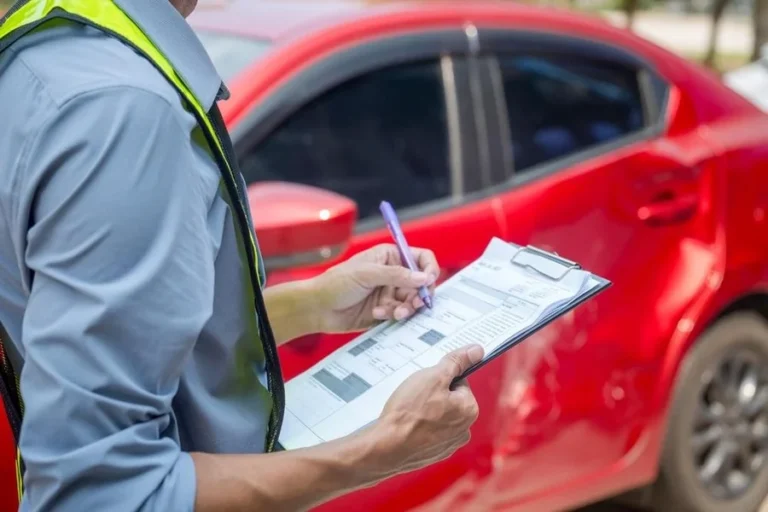
The crash scene can contain useful facts after vehicles are moved. Police reports may record statements, road conditions, violations, and officer observations. Photos and videos can show vehicle positions, damage, signs, and nearby conditions.
Witness accounts can add another view of what happened. Skid marks, broken parts, and the pattern of vehicle damage may also help investigators study how the collision occurred. Together, these details can help establish a clearer account of the event.
Look at the Truck Driver’s Conduct
Driver behavior is often one part of a truck accident liability review. Investigators may look at whether the driver was speeding, distracted, impaired, tired, or violating traffic rules. Records can support or challenge claims about the driver’s actions.
Driver logs and electronic records may show driving hours and other information about the trip. Drug or alcohol testing, if conducted as part of the investigation, may also become relevant. One detail should not decide fault; the available evidence needs to be reviewed as a whole.
Check the Trucking Company’s Role
A commercial truck does not operate in isolation. A trucking company may have responsibilities involving its drivers and how they are managed. Company records can become part of the liability investigation.
Investigators may examine hiring records, training materials, supervision practices, and reports of earlier safety problems. Work schedules may matter if they raise questions about driver fatigue. If company decisions contributed to unsafe conduct, those facts may affect how responsibility is assessed.
Examine Maintenance and Equipment Records
Sometimes the driver’s actions are not the main issue. A mechanical problem may have played a part in the crash, especially if a brake, tire, steering system, or other component failed.
Maintenance records, inspection reports, repair invoices, and service histories can show how the truck was cared for. The truck owner or maintenance company may need to be considered if poor maintenance contributed to the incident. A defective part can also raise questions about the manufacturer or supplier.
Determine Whether Other Parties Played a Part
Truck accidents can involve several businesses, especially during shipping and delivery. A company connected to one part of the process may have responsibilities that differ from the driver.
Relevant parties may include:
- The truck or trailer owner
- A maintenance or repair company
- A manufacturer or parts supplier
- A cargo loader
- A shipping or logistics company
Cargo loading deserves attention because an unsecured or uneven load can affect how a truck handles. Records can help show who handled that task and what happened before the crash.
Use Trucking Rules to Test the Facts
Federal and state trucking rules can provide another source of evidence. These rules cover driver hours, vehicle inspections, maintenance, cargo safety, and other duties. A documented violation may show whether a safety requirement was ignored.
A rule violation alone does not answer every liability question. The facts of the crash matter. Investigators may compare the rule, records, and events leading to the collision to see how the pieces fit.
Build the Liability Picture From Multiple Sources
No single document usually tells the whole story. A police report may explain the crash scene, while electronic records may show what happened before the collision. Maintenance documents add another layer, and witness statements may confirm or challenge those records.
These sources together can reveal which actions or failures contributed to the accident. It can also show that responsibility may involve more than one party. The legal question is who had a role in events that caused or contributed to the crash.
Liability Comes Down to the Facts
Determining responsibility after a truck crash depends on the evidence and the role each party played. Driver conduct, company decisions, maintenance, equipment problems, cargo handling, and trucking rules can all matter.
Records can separate assumptions from facts and show where responsibility may rest. For anyone trying to determine who may be liable for a truck accident, the strongest starting point is a complete review of available evidence rather than a quick conclusion about who caused the crash.