
A Healthier Smile, Fewer Surprises: Why Prevention Pays Off
Dental problems have an inconvenient habit of demanding attention when life is already busy. Preventive care offers a much calmer approach by focusing on everyday habits, routine examinations, and early attention to changes before they become more complicated. In Marina Del Rey, which recorded 11,373 residents in the 2020 Census, making room for regular dental care can help people protect their teeth without waiting for discomfort to force an appointment. A consistent approach can mean fewer surprises, more manageable treatment, and less disruption to everyday life.
Small Problems Are Easier to Manage Early
Many dental concerns develop gradually. A small area of decay, mild gum inflammation, or early enamel wear may cause little or no discomfort at first. That makes these problems easy to ignore.
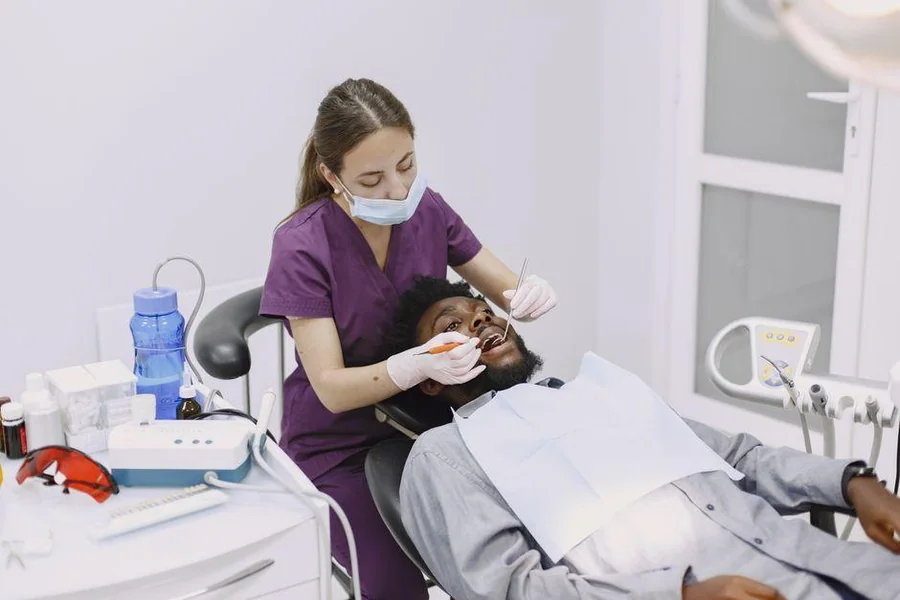
Preventive appointments give dental professionals an opportunity to identify changes that may not yet be obvious. Depending on individual needs, an examination may include checking teeth and gums, reviewing existing dental work, discussing symptoms, and deciding whether additional assessment is appropriate.
Early detection does not guarantee that extensive treatment will always be avoided, but it can create more options. Waiting until pain becomes severe may mean the underlying problem has had more time to progress.
There is also value in continuity. When dental professionals have previous examinations and records for comparison, changes can be easier to recognize over time.
Choosing the Right Dental Provider Supports Consistency
Preventive care becomes easier when appointments fit comfortably into your routine and communication with the dental office feels straightforward.
If you are looking for a family dentist in Marina Del Rey, consider practical factors such as the range of preventive services available, appointment scheduling, communication, and whether the practice can accommodate the changing dental needs of different family members in Marina Del Rey.
Continuity can be particularly helpful when several people in a household need regular care. Instead of approaching every visit as an isolated event, patients can build a longer-term history that makes it easier to discuss changes, previous treatment, sensitivity, or recurring concerns.
The objective is simple: make preventive care convenient enough that routine appointments are less likely to be postponed until something hurts.
Professional Cleaning Goes Beyond a Polished Smile
Brushing and cleaning between your teeth are essential, but home care has limits.
Plaque can accumulate in areas that are difficult to reach. When deposits harden into tartar, routine brushing will not remove them effectively. Professional cleaning addresses this buildup while also providing an opportunity to examine areas that may need greater attention at home.
Cleaning appointments can therefore be useful checkpoints rather than purely cosmetic visits. You may discover that certain teeth consistently collect more plaque or that your brushing technique needs a small adjustment.
The appropriate frequency of professional cleaning can vary. Rather than assuming everyone needs exactly the same schedule, follow recommendations based on your oral health, history, and risk factors.
Your Gums Need Attention Too
Healthy teeth are only part of a healthy mouth. Gums and the supporting structures around the teeth deserve equal attention.
Bleeding during brushing or flossing, persistent bad breath, redness, tenderness, or swelling can indicate that something needs attention. These symptoms should not simply be dismissed because they seem common.
Gingivitis is an early form of gum disease and may improve with appropriate oral hygiene and professional care. If gum disease progresses, however, treatment can become more involved.
That is another reason routine examinations matter. Problems are not always accompanied by dramatic pain, and subtle changes may be easier to address when they are identified sooner.
Rather than waiting for obvious discomfort, mention changes in your gums at a dental visit and ask what adjustments may be appropriate for your daily routine.
Make Daily Care Simple Enough to Repeat
An elaborate oral-care routine is not particularly useful if you abandon it after a week.
Consistency matters more than novelty. Brushing thoroughly and cleaning between teeth should form the foundation of daily care. A helpful explanation of why brushing and flossing are important reinforces the value of maintaining these basic habits for reducing the risk of tooth decay and gum problems.
Technique matters as well. Rushing through brushing can leave areas untouched, while excessive pressure is not necessary for effective cleaning.
Pay attention to the areas that are easiest to overlook, particularly along the gumline and around back teeth. If traditional floss is difficult to use, ask a dental professional about appropriate alternatives rather than simply abandoning interdental cleaning.
Simple habits performed consistently tend to be more sustainable than complicated routines built around every new oral-care trend.
Be Careful With Dental Trends and Quick Fixes
Social media has made it easy to find home remedies promising whiter teeth, fresher breath, or dramatic improvements in oral health. Popularity, however, is not evidence that a method is appropriate for your teeth.
Aggressive brushing, abrasive substances, and improperly used whitening products may contribute to sensitivity or irritation. Even familiar products should be used according to their directions and with consideration for your individual dental health.
It helps to understand common dental myths and everyday oral-care mistakes before experimenting with advice discovered online.
If a trend promises unusually fast results or suggests replacing basic dental care entirely, approach it cautiously. A healthy smile is generally built through repeatable habits rather than dramatic shortcuts.
Questions about whitening, sensitivity, mouthwash, toothbrushes, or other products are also worth bringing to a dental appointment.
Prevention Can Reduce Financial Surprises
Routine dental care still costs money, but neglected problems can become more complicated and potentially more expensive to address.
A problem that requires relatively straightforward treatment at one stage may require a different approach if it progresses. More extensive treatment can also mean additional appointments, recovery time, and disruption to work or other responsibilities.
This does not mean every dental issue can be prevented. Teeth can crack, accidents happen, and some conditions develop despite excellent care.
Preventive care is about reducing avoidable risk. Regular examinations, professional cleaning when appropriate, and consistent home care give you a better chance of identifying manageable concerns before they become urgent ones.
That makes dental expenses somewhat easier to plan around rather than leaving every visit until an unexpected problem appears.
Pay Attention Between Appointments
Your daily routine gives you opportunities to notice changes long before the next scheduled examination.
Sensitivity that persists, pain when biting, bleeding gums, a rough or chipped tooth, swelling, or a recurring bad taste deserves attention. A change does not automatically indicate a serious problem, but waiting for it to become painful is rarely a useful strategy.
The same principle applies to habits such as grinding or clenching. Gradual wear may be difficult to recognize yourself, yet it can become increasingly noticeable over time.
Keep track of anything unusual and mention it during your appointment. Seek professional advice sooner when symptoms are persistent, worsening, or concerning.
Build a Routine That Works in Real Life
Preventive dental care does not require perfect habits. It requires habits that are realistic enough to maintain.
Keep brushing and interdental cleaning part of your normal day rather than treating them as optional tasks. Schedule recommended appointments before they become easy to forget, and avoid postponing concerns simply because they are not yet painful.
Most importantly, think of dental care as maintenance rather than crisis management.
A few minutes of daily attention and appropriate professional care can help protect your teeth and gums while reducing the chance that an overlooked problem becomes a stressful interruption. That is the real advantage of prevention: not a promise that dental problems will never happen, but a practical way to give yourself a better chance of keeping them smaller, simpler, and easier to manage.