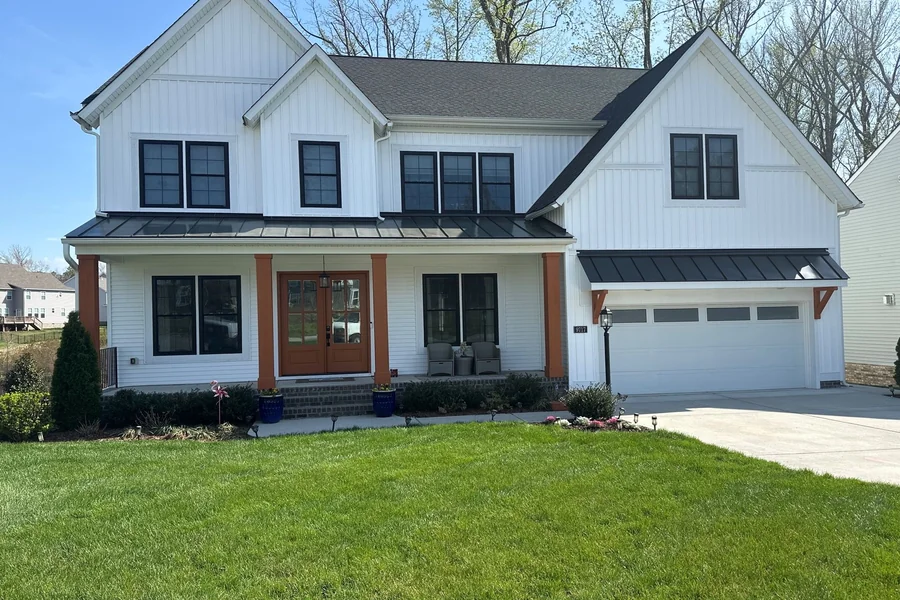
Planning Exterior Painting in Mechanicsville: Weather Windows, Surface Prep, and Coating Choices That Last
Central Virginia’s weather rewards good timing and careful preparation. In Mechanicsville, humidity swings, afternoon pop-up showers, high pollen counts, and four distinct seasons all affect how paint adheres and cures. Homeowners who match the schedule, the prep, and the products to local conditions see longer intervals between repaints and fewer failures on trim, siding, and masonry. This article focuses on exterior work because weather pressure is greatest outside. You will learn how dew point and surface moisture influence start times, how to read common substrate conditions, which primers and topcoats fit typical materials, and which application details resist humidity.
1. Weather Windows in Central Virginia: Temperature, Dew Point, and Drying Time
In humid summers, paint needs more than air temperature within range. The surface must also be several degrees above the dew point so moisture does not condense on siding as the sun shifts. North-facing walls can stay clammy until late morning, and a late-day cooldown can trap uncured coatings overnight. Local crews plan walls by sun exposure and monitor radar for quick-moving storms. If you are coordinating a project window, speaking with a Mechanicsville painting company that schedules around dew and heat helps prevent tacky films, surfactant leaching, and lap marks caused by uneven drying.
Wind matters too. A gentle breeze speeds solvent or water evaporation, but gusts can carry pollen onto fresh paint. In spring, oak and pine pollen can pepper a wet surface and cause bumps that sand like grit later. The practical move is simple: wash or blow off surfaces right before coating, and avoid high-pollen hours when catkins shed. On hot, clear days, work the west elevation last to reduce blistering risk, assun-bakedd walls soften existing layers. On cool days, prioritize east and south walls first to gain drying time before evening dew.
2. Surface Conditions on Local Exteriors to Check First
Mechanicsville exteriors often show a mix of chalking, mildew, and UV wear. Chalking looks like dusty residue that wipes onto your hand from oxidized paint. Mildew and algae thrive on north sides and shaded eaves, appearing as black, gray, or green staining that spreads under gutters and soffits. Brick can show efflorescence, the white crystalline salts that indicate moisture movement through masonry. Cedar trim may bleed tannins, especially where knot patterns show through lighter colors. Each condition points to a specific prep step before primer and topcoat.
Consider two everyday scenarios. First, a shaded north wall with mildew: a dedicated mildew remover or a house wash with a mildewcide breaks the biofilm, but only a thorough rinse prevents residue from undermining adhesion. Second, a brick stoop with efflorescence: dry brushing removes loose salts, but if you do not address water entry at joints or caps, salts return under breathable masonry coatings. In both cases, avoid painting over active problems. Pressure washing without a follow-up scrub and rinse can leave chalk and cleaner behind, which can cause peeling or a patchy sheen later.
3. Matching Primers and Topcoats to Common Substrates
Coating selection should follow the substrate. Weathered wood trim benefits from a stain-blocking primer, often an alkyd or hybrid that seals knots and stops tannin bleed before a 100 percent acrylic topcoat. Fiber cement siding, such as Hardie board, bonds well with quality acrylic latex after any factory primer is intact and clean. Galvanized metal needs a compatible etching or bonding primer to prevent early flaking. For masonry, breathable masonry acrylics, silicate mineral paints, or elastomeric coatings can bridge small hairline cracks while allowing vapor transmission so trapped moisture does not bubble the film.
There are trade-offs. Oil and alkyd primers block stains aggressively and can grip chalky areas when used as bonding layers, but they generally carry longer dry and recoat times. Waterborne bonding primers dry faster and smell less, yet may need more diligent surface cleaning to equal adhesion. Sheen matters too. Satin on siding sheds dirt and moisture better than flat, but it shows lap lines if you break a wet edge. Semi-gloss protects trim and doors from scuffs and sun, yet magnifies brush marks on rough grain. Dark colors on vinyl can absorb heat and warp panels; check the manufacturer’s light reflectance value guidance before choosing a deep tone.
4. Application Details That Improve Durability in Humid Summers
Technique often decides whether a coating lasts through the next July. On textured siding, spray and back roll works paint into pores; on rough sawn trim, back brushing pushes acrylic into open grain so moisture cannot sneak behind. Maintain a wet edge on wide walls by painting in sections, top to bottom, so the roller does not overlay tacky paint and leave lap marks. Use caulk where it belongs: a quality paintable elastomeric or siliconized acrylic at joints up to about a quarter inch, and backer rod plus caulk for wider gaps. Overfilling wide seams without backer rod leads to three sided adhesion that tears the seal when wood moves.
A few failure points are predictable. Painting over chalk without a bonding primer risks sheets of peeling weeks later. Coating damp wood traps moisture, which expands with heat and blisters the new film. A quick check with a moisture meter helps, especially on end grain and horizontal sills. Tool choice matters too. A 3/4 inch nap roller carries enough paint to level rough lap siding; a 1/4 inch nap skates across texture and leaves holidays. Fine finish brushes are excellent for doors, but a stiffer angular sash brush cuts cleaner lines along fiber cement edges and holds up better against rough primer coats.
After Paint Care in a Four Season Climate
Fresh coatings need time to cure before heavy cleaning. Gentle rinsing with a garden hose can remove pollen once the paint has set per the label, but avoid pressure washing close to joints and never blast upward into lap siding. Bird droppings and tree sap are acidic; spot clean them with mild soap and a soft sponge rather than strong solvents that can dull sheen. Inspect horizontal surfaces like window sills and water tables each spring for hairline cracks in caulk, then touch up with compatible sealant and paint to keep water out before summer storms arrive.
Exterior painting in Mechanicsville rewards planning shaped by climate and materials. Start with weather windows that keep surfaces above dew point, clear the substrate of chalk and mildew, choose primers and topcoats that suit wood, masonry, and metal, and use application methods that fight humidity. Those decisions, plus simple aftercare like gentle washing and seasonal caulk checks, stretch the life of your finish. If you align timing, prep, and product to local conditions, you will see steadier color, tighter joints, and fewer touch ups when the next sticky summer rolls in.