Lash Lift Gone Wrong? Here’s What Usually Causes It
A successful lash lift should create a smooth, flattering upward shape that works with the client’s natural lashes. When the result is dramatically over-curled, barely visible, uneven, or noticeably different between the two eyes, it can seem as though the treatment simply failed.
Usually, however, there is a specific reason behind the result. Lash length and condition, shield selection, placement, product application, and processing time all influence the final shape. Understanding those variables makes inconsistent results much easier to prevent.
The Natural Lashes Weren’t Properly Assessed
Not every set of natural lashes responds to a lift in exactly the same way. Fine lashes, coarse lashes, previously treated lashes, and naturally resistant lashes can require different approaches.
That makes the consultation and assessment important before any lifting solution is applied. An artist needs to consider lash length, thickness, condition, previous treatments, and the type of result the client wants.
Professional suppliers such as Envolash support this technical side of lash services with products and tools developed for lash and brow professionals, giving artists access to specialist options they can incorporate into a carefully planned treatment.
The more accurately the starting condition is understood, the easier it becomes to select an appropriate technique rather than treating every client according to the same routine.
The Shield Size Wasn’t Right
Shield selection has an enormous influence on the finished shape.
If the shield is too large for the natural lash length, the result may appear much softer than expected or the lashes may barely lift. A shield that is too small can produce an excessively tight curl, potentially causing lashes to curve back toward the eyelid.
This is why choosing the smallest possible shield is not automatically the route to a better lift.
Artists need to consider both natural lash length and the intended effect. Someone seeking a softer, elongated appearance may require a different choice from a client who wants a more dramatic upward result.
Getting this decision right establishes the shape before processing even begins.
Lash Placement Can Create an Uneven Result
Even with the appropriate shield, the lashes need to sit correctly on it.
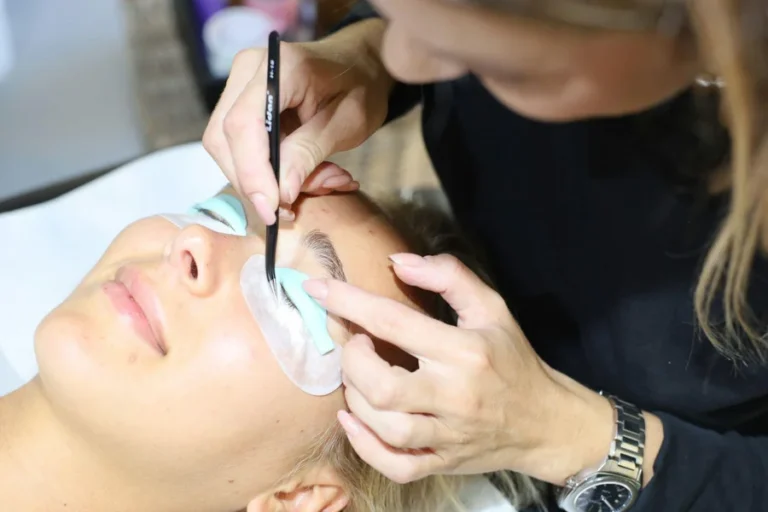
Crossed, twisted, clumped, or inconsistently positioned lashes can produce a finished lift that looks disorganized. If neighboring lashes are pointing in different directions during processing, those differences can become much more noticeable afterward.
Placement requires patience because each section contributes to the overall appearance.
The lashes should be arranged smoothly and consistently rather than simply attached to the shield as quickly as possible. Particular attention around the inner and outer corners can help create a balanced result across the entire lash line.
A few extra minutes spent perfecting placement can prevent much more difficult troubleshooting later.
Processing Time Has to Match the Lashes
Timing is one of the most important variables in a lash lift.
Leaving lifting solution on longer does not simply create a stronger version of the same result. Fine or previously treated lashes may process more quickly than coarse, resistant lashes, which means using identical timing for every client can produce inconsistent outcomes.
Under-processing can leave the lift weak or cause the desired shape not to develop fully. Excessive processing can affect lash condition and contribute to a dry, frizzy, or compromised appearance.
Artists should therefore work within the instructions for the specific system they use while assessing the individual lashes rather than relying on a universal time that worked for another client.
Product Placement Matters Too
Where the lifting solution is applied can influence the shape just as much as how long it remains there.
The objective is controlled, even application according to the particular system being used. Excessive product, inconsistent coverage, or application in inappropriate areas of the lash can produce uneven processing.
The tips deserve particular care because they are finer than other portions of the lash. Unnecessary exposure can contribute to an undesirable finished texture or shape.
Precision matters throughout the service. More product is not automatically better, and attempting to compensate for another technical issue by adding extra solution can create an entirely new problem.
Preparation Can Determine Whether the Lift Takes Properly
Sometimes the issue begins before the shield is even positioned.
Residual makeup, oils, skincare products, or other buildup around the lashes can interfere with consistent preparation and processing. Starting with thoroughly cleansed lashes gives the treatment a more predictable foundation.
The lashes also need to adhere properly to the shield. If sections repeatedly lift away or are not positioned securely, the finished result may vary across the lash line.
Preparation can feel like the least exciting part of the appointment, but it creates the conditions for everything that follows. A technically perfect application becomes much harder when the starting surface has not been properly prepared.
Previous Treatments Can Change the Equation
A client’s lash history matters.
Natural lashes that have recently undergone chemical services may not respond exactly like untreated lashes. Their condition should be considered before deciding whether another treatment is appropriate and how it should be approached.
This is another reason consultation should involve more than asking what curl the client wants. Knowing when the previous lift was performed and understanding the current condition of the lashes helps the artist make a more informed decision.
If lashes appear significantly compromised, postponing another chemical service may sometimes be preferable to trying to force an immediate cosmetic result.
Healthy natural lashes should remain part of the objective, not simply the appearance immediately after the appointment.
A Bad Result Should Be Diagnosed Before It’s Corrected
When a lash lift goes wrong, the temptation is to immediately perform another treatment and try to reshape everything. But different problems have different causes.
A weak lift might involve shield selection, placement, preparation, product condition, or insufficient processing. An excessively tight shape could be related to shield size or product placement. Frizzy or brittle lashes can indicate that the hair itself has been over-processed.
Those situations should not automatically receive the same correction.
Before doing anything else, identify what actually happened and assess the condition of the natural lashes. If the hair appears compromised, additional chemical processing may make matters worse rather than improve the appearance.
The best lash-lift troubleshooting therefore starts with diagnosis. Once the artist understands whether the issue came from assessment, preparation, shield choice, placement, application, or timing, the next service can be adjusted intelligently rather than relying on guesswork.