Domestic vs Overseas Casting Foundries: What Should Buyers Consider?
When you need quality castings for your manufacturing operation, you’ve got options. You can source locally, or you can look overseas, where costs sometimes look really appealing on the spreadsheet. But here’s the thing: choosing between domestic and overseas foundries involves way more than just comparing price tags. Let me break down what actually matters when you’re making this decision.
Cost Differences and What They Really Mean
Yeah, overseas foundries often quote lower prices. That’s usually the first thing that catches your attention. But dig deeper, and the picture gets more complicated. You need to factor in:
- Shipping costs and lead times
- Customs and tariff fees
- Quality inspection expenses
- Potential rework costs if something doesn’t meet spec
- Currency fluctuation risks
Sometimes that 30 percent cost savings disappears once you account for everything. Other times it’s still legitimate savings. The key is actually running the numbers with all variables included, not just the piece price.
Quality Control and Consistency
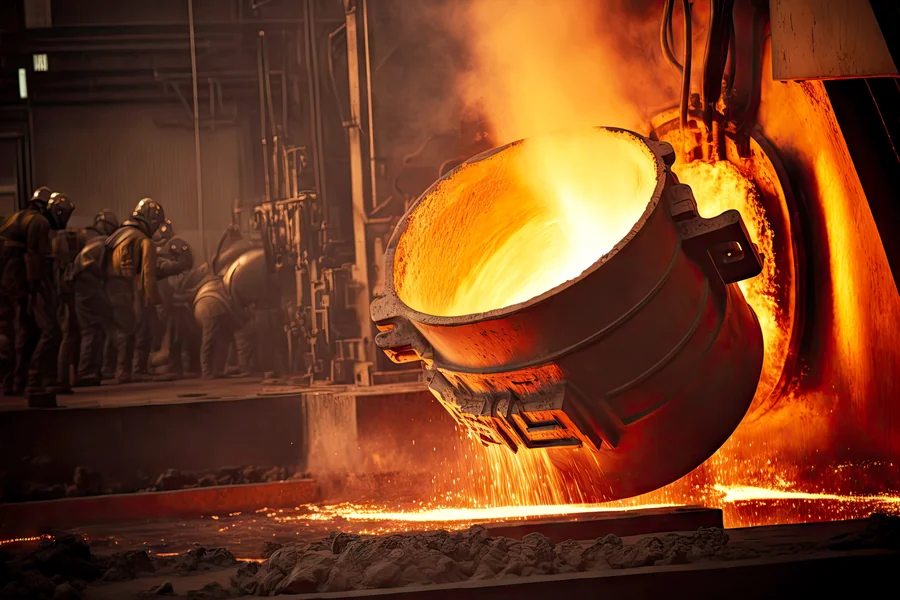
Here’s where you really feel the difference. A quality castings foundry with established processes and quality controls will give you consistent parts every single time. You get inspections, certifications, and traceability built in.
Overseas foundries vary wildly. Some are excellent and maintain strict standards. Others, honestly, cut corners. You might get lucky, or you might spend weeks dealing with parts that don’t meet your specs.
With domestic suppliers:
- Easier to visit and audit operations in person
- Faster response times when issues come up
- Clear communication without language barriers or time zone complications
- Established relationships with US regulatory standards
Lead Times and Supply Chain Reliability
This matters more than people think. Domestic foundries typically deliver faster. We’re talking weeks instead of months. If you need parts quickly or run on lean inventory, domestic sourcing becomes really valuable.
Overseas lead times fluctuate based on things you can’t control, port congestion, customs delays, shipping schedules. One delay ripples through your entire production schedule. That matters when you’ve got customers waiting.
Communication and Problem-Solving
When something goes wrong, you want to fix it fast. Domestic operations mean same-day or next-day communication. You’re in the same time zone, dealing with the same business culture, and speaking the same language (usually without interpretation layers).
Overseas foundries operate on different schedules. A question you send today might not get answered for 24 hours. That delays your troubleshooting. It’s not a dealbreaker, but it’s friction.
Intellectual Property and Specifications
Be honest with yourself about what you’re sharing. If your casting design is proprietary or sensitive, keeping production domestic gives you more control and security. Overseas foundries might compete with you down the road or share specs with competitors. It happens.
Some industries actually have regulations or certifications requiring domestic sourcing. Check if that applies to your situation.
The Real Decision Framework
Stop thinking binary. You don’t have to pick one strategy for everything. Consider:
- Which products actually benefit from cost savings?
- Which need speed and reliability?
- What’s your supply chain tolerance for delays?
- How critical are these castings to your business?
- What does your customer base demand?
Some smart buyers use domestic foundries for rush orders and time-sensitive work, then source less critical components overseas for cost efficiency. You can mix and match.
Bottom Line
Neither domestic nor overseas is automatically “better.” Domestic costs more but delivers speed, control, and communication. Overseas can mean savings, but you trade convenience and risk for those savings. Run the full cost analysis, talk to references, check certifications, and match the choice to your actual business needs, not just your budget.
The foundry you choose should deliver consistent quality, meet your timeline, and support your growth. That’s what matters.